پای درس استاد رازینی
صبح روز شنبه ۲۹ دی، درست چند روز بعد از دادخواست دادستانی بابت پس گرفتن دارایی های ملت ایران از پهلوی، منافقین اعلام خشم عمومی کردند. دیری نپایید که دو قاضی مرتبط با اطلاعات کشور در محل دفترشان ترور شدند. این خبر مانند بازتاب خبری شهادت ابراهیم رئیسی بازتاب گسترده ای نداشته، ولی از سوی مجاهدین خلق ستوده شده است!
قاضی علی رازینی از همکاران شهید ابراهیم رئیسی، همچنین قاضی مقیسه، قاضی پرونده فساد استات اویل و شرکت توتال، در سال ۷۷ بوده.
در جریان این اتفاق و همچنین هنگامی که قضات مطرح و چهره ماندگار شهید میشوند این سوال مطرح میشود که چقدر ترور بزرگان ما ساده ست؟
در ادامه متن مصاحبه علی رازینی با خبرگزاری توسط کافه پارچینا از نشریه نهنگ نو بازنشر داده میشود تا دیدگاه های خود او که تاکنون چندبار از سوءقصد جان سالم به در برده بود بیان شود:
رازینی: چطور شورای نگهبان صلاحیت فردی که استاندار یا قاضی بوده را احراز نمیکند؟ /پیروزی در انتخابات کار چند جنگ را بر ما آسان می کند
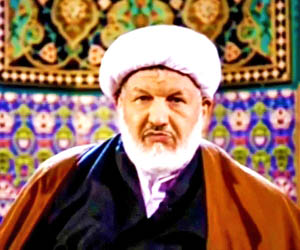
حجت الاسلام و المسلمین علی رازینی، کاندیدای انتخابات مجلس خبرگان ششم، می گوید: روحانیونی باید در مجلس خبرگان باشد که علاوه براجتهاد، در مسئولیت اجرایی هم بوده اند.
فاطمه استیری: «مجلس خبرگان باید فعال تر و عملیاتی تر عمل کند»، «روحانیونی باید در مجلس خبرگان باشد که علاوه براجتهاد، در مسئولیت اجرایی هم بوده اند»، «مگر نهادهای غیرروحانی که لیست های مختلف می دهند چه فاجعه رخ می دهد؟»،«اشکال به نحوه بررسی صلاحیت ها توسط شورای نگهبان وارد است»،«چطور شورای نگهبان صلاحیت فردی که استاندار، فرماندار یا قاضی بوده را احراز نمی کند؟» و غیره
این جملات را حجت الاسلام و المسلمین علی رازینی، کاندیدای لیست جامعه روحانیت در انتخابات خبرگان ششم، مطرح می کند. او که سال ها در سمت هایی چون ریاست سازمان قضایی نیروهای مسلح، رئیس دیوان عدالت اداری، ریاست دادگاه ویژه روحانی، نمایندگان مجلس خبرگان و ... ایفای مسئولیت کرده، تاکید دارد؛«مجلس خبرگان باید فعال باشد و بتواند به مطالبات مردم توجه کند و در مسیر حل مطالبات گام بردارد.»
او نحوه بررسی صلاحیت ها از سوی شورای نگهبان را نقدپذیر می داند و می گوید؛«فردی مثلا قاضی است و برای کار قضاوت گزینش شده و برای جان و مال و ناموس مردم اختیار داده شده که قضاوت کند، بعد از ۱۰ سال ۲۰ سال که قاضی بوده در انتخابات مجلس شورای اسلامی شرکت می کند می گویند التزام عملی به اسلام ندارد این مسئله برای مردم حیثیتی و دشوار است.»
مشروح گفتگوی خبرگزاری خبرآنلاین با حجت الاسلام و المسلمین رازینی را بخوانید؛
******
*آقای رازینی! از جایگاه چهره ای که در تجربه حضور در مجلس خبرگان را داشته اید، چه توصیفی از مجلس خبرگان فعلی، جایگاه این مجلس، نقاط قوت و ضعف آن دارید؟ و چرا بعد از یک دوره غیبت اینبار هم کاندیدا شدید؟
مجلس خبرگان یکی از برترین و مهمترین بخش های نظام جمهوری اسلامی است. قانون اساسی ما مثل اغلب کشورهای دیگر برخی مواد معمولی و متعارف دارد. مثل اینکه ۴ سال یک بار انتخابات مجلس شورای اسلامی برگزار می شود.
برتری قانون اساسی ما نسبت به قانون های اساسی دیگر در ۳ نکته است؛ یک اصل ولایت فقیه که در واقع نهاد هماهنگ کننده بین قوا و محور انسجام در کشور است، در کشورهای دیگر در این مسئله مشکل دارند.
نکته دوم مسئله شورای نگهبان است که در واقع ضامن تداوم قانون اساسی است تا از مسیر اصلی خود خارج نشود. در برخی کشورهای دیگر هم نهادهایی شبیه دادگاه قانون اساسی وجود دارد اما هیچ کدام به قوت شورای نگهبان نیست.
امتیاز سوم قانون اساسی ما، مجلس خبرگان است که در واقع با یک نوع انتخابات دو مرحله ای، بحث حضور مردم در انتخاب رهبری را تضمین کرده است. حضور مردم در انتخاب رهبری اگر به شکل ریاست جمهوری نبود ممکن بود دچار مشکلاتی شویم.
خلاصه آنکه، قانون اساسی با تضمین سازوکارها، به گونه ای شرایط را فراهم کرده که انتقال قدرت یا تغییر رهبری هیچ گونه مسئله ای در روند جاری کشور ایجاد نکند. برای مثال بعد از رحلت امام، آن کسانی که رهبر را انتخاب کردند، پیشاپیش انتخاب شده بودند و در یک مجلس و در زمان بسیار کوتاهی در کمتر از ۲۴ ساعت رهبر بعدی را تعیین کردند و زمینه ای برای پیش بینی های دشمنان نظام جهموری اسلامی فراهم نشد.
مجلس خبرگان، تداوم اصل رهبری
بنابراین یک جهت مسئله این است که مجلس خبرگان تداوم اصل رهبری را برعهده دارد و مسئله دوم این است که در هیچ کجای دنیا اینگونه نهادی که علماء و دانشمندان یک نهاد منتخب داشته باشند، نداریم. ممکن است در جایی مثلا اساتید دانشگاه یا علماء و دانشمندان جلساتی داشته باشند که آنها بیشتر انتصابی است نه انتخابی.
اگر هم انتخابی باشد منتخب همان دسته است. پزشکان نظام پزشکی را خودشان انتخاب می کنند. اما اینکه مردم یک کشور و قاطبه ملت در انتخابات مجلس علماء شرکت کنند، در هیچ جای دنیا نیست و از کیفیت بالایی برخوردار است یعنی ۸۸ نفری که در مجلس خبرگان هستند عصاره ۸۰ میلیون جمعیت ایران هستند. در واقع ۸۰ میلیون جمعیت ایران در ۸۸ نفر خلاصه شده اند که ظرفیت بالا و مهمی است و از این جهت مجلس خبرگان مجلس پر اهمیتی است.
نقد به فاصله بین مجلس خبرگان و مردم وارد است
*اشاره کردید که مجلس خبرگان عصاره ۸۰ میلیون جمعیت است. نقدی که به مجلس خبرگان وارد می شود فاصله بین این مجلس با افکار عمومی و بدنه جامعه است. شاهید همین الان در فضای انتخاباتی رصد کنید آنقدرکه مردم با مجلس شورای اسلامی آشنا هستند با جایگاه مجلس خبرگان آشنا نباشند. خود شما این نقد را به مجلس خبرگان وارد می دانید و اینکه باید ارتباط بدنه جامعه با اعضای مجلس خبرگان بیشتر شود؟
بله این نقد وارد است. با اینکه اصل کارکرد مجلس شورای اسلامی و قوه مقننه قانون گذاری است و برای تدوین قانون طراحی شده است. ولی از این ظرفیت استفاده شده که علاوه بر تدوین قانون ، بر قوه مجریه نظارت کند یعنی مثلا می توانند از وزرا سوال کنند آنها را استیضاح کنند و با تحقیق و تفحص از اوضاع خبردار شوند.
علاوه براین مردم از مجلس توقعات دیگری دارند که نه قانون گذاری است و نه نظارت. مسائل عمومی، رفاهی و فرهنگی و غیره را مردم در مناطق مختلف کشور از نمایندگان خودشان مطالبه می کنند. هرچند که مطالبه گری در قانون قید نشده ولی عملا جا افتاده است که نماینده مجلس پیگیری می کند که مثلا اگرشهری در حوزه انتخابیه اش راه نداشته باشد یا از نظر برخی مسائل رفاهی عقب باشد، این کمبودها برطرف شود.
اما اصل و اساس مجلس خبرگان برای تعیین رهبر و تضمین و تداوم شرایط رهبری است اما انصاف این است که از ظرفیت ۸۸ روحانی برجسته در حد اجتهاد که به وسیله مردم انتخاب می شوند و میلیون ها نفر برایشان رای می دهند، بیشتر استفاده می شد.
چه خوب بود اگر مجلس خبرگان رابط میان مردم و رهبری بود
مثلا چقدر خوب بود که مجلس خبرگان به عنوان رابط میان مردم و مقام معظم رهبری و سایر مسئولین عمل می کرد. یعنی در بین مردم حضور داشتند و مطالبات مردم را بررسی و جمع بندی می کردند و مسئولین کشور برحسب مورد، اشکالات را خبرگان هر منطقه جمع آوری و به مقام معظم رهبری منتقل کنند. اگر این کار انجام می شد خیلی خوب بود.
البته ۲ نکته مهم وجود دارد؛ اول اینکه این موضوع ارتباط با مردم را باید خود خبرگان در برنامه هایشان داشته باشند. ما از مردم دعوت کردیم برای رای دادن به خبرگان کارآمد، منظور این است که مجلس خبرگانی داشته باشیم که صرف حضور در آن زمانی که نیاز شد تعیین رهبر کنند، فقط نباشد بلکه زیر مسئولیت رفته، بین مردم باشند، مطالبات مردم را دریافت کنند و در حل مشکلات مردم تلاش داشته باشند.
مجلس خبرگان باید فعال تر و عملیاتی تر عمل کند
اما چه بهتر که این مسئله و وظیفه برای مجلس خبرگان به شکل قانونی درآید. خوشبختانه قانون اساسی وضع قانون و مقررات درباره مجلس خبرگان را به خود مجلس خبرگان محول کرده است. مجلس خبرگان می تواند مقررات مربوط به خود را تدوین کند. ای کاش که این فرصت را داشته باشند که تعیین اینگونه وظائف و ارتباط بین مردم و مجلس خبرگان را مشخص تر کنند و آنچه که مجلس خبرگان را به یک مجلس فعال و عملیاتی تبدیل می کند در قانون خبرگان پیش بینی شود و عملا تحقق پیدا کند.
من در دوره چهارم از استان همدان نماینده مجلس خبرگان بودم، در آن دوره عضو کمیسیون آیین نامه مجلس بودم. این کمیسیون مقررات مربوط به مجلس خبرگان را اگر لازم باشد اصلاح می کند. در همان زمان یکی از کارهایی که در کمیسیون ما انجام شد این بود که جلسات مجلس خبرگان را بیشتر کردیم. آن زمان انتقاد می کردند که این چه مجلسی است که سالی دوبار جلسه تشکیل می دهد، فروردین جلسه می گذارد و تا شهریوردیگر جلسه ای نیست و بعد دوباره می رود تا فروردین سال بعد.
دلیلی که وجود داشت این بود که خبرگان مجلس در اقصی نقاط کشور بودند و اینگونه نبود که در تهران باشند و خیلی از آنها مسئولیت های دیگری هم داشتند. چون شغل عضویت خبرگان با مسئولیت های دیگر منافات ندارد. مثلا امام جمعه یا رئیس یک نهادی بودند. بنابراین اینکه حضور زیادی داشته باشند مشکلاتی برایشان ایجاد می کرد و از سوی دیگر حضور کمرنگ شان هم خواسته و مطالبات مردم را پاسخ نمی داد.
در این کمیسیون سازوکاری تدوین شد که مجلس خبرگان اجلاس هایی بین الاجلاسین با ظرفیت فشرده تری داشته باشد. اینکه اجلاس ها با همه ۸۸ نفر برگزار شود امکانپذیر نیست اما با نصف این جمعیت یا ۳۰ و ۴۰ نفر می توان جلسه تشکیل داد.
مجلس خبرگان باید به مطالبات مردم توجه کند
برهمین اساس در حدود دهه اخیر مقرر شد که بین ۲ اجلاس اصلی، جلسات دیگری با حضور هیئت رئیسه و منتخبین مجلس خبرگان در حد ۳۰ نفر تشکیل شود. این قدم مثبتی در این مسیر بود.
در این زمینه به نظر من مجلس خبرگان باید فعال باشد و بتواند به مطالبات مردم توجه کند و در مسیر حل مطالبات گام بردارد. این لزوما به این معنا نیست که در اجرائیات مداخله داشته باشد. طبیعی است که قوه مجریه باید کارش را انجام دهد و کسی هم مداخله نکند. اما کمبودهای قوه مجریه و انتقادهایی بر او وارد است و همینطور دو قوه مقننه و قضائیه.
هر کدام از قوا که در انجام وظایفشان کوتاهی می کنند یا پیشنهاداتی برای بهبود انجام وظایفشان وجود داشته باشد، مجلس خبرگان یکی از بهترین جایگاههاست برای اینکه این اشکالات را دریافت و برای حلش پیشنهاد دهد. بهرحال اعضای مجلس خبرگان روحانی هستند و روحانیون در نماز جماعت یا مراسماتی دیگر با مشکلات آشنا می شوند.
علنی شدن جلسات مجلس خبرگان یک ضرورت نیست
این مطالبی که دریافت می کنند و مطالباتی که وجود دارد در جلسه خبرگان یا کمیسیون ها جمع بندی و به مسئولین مربوطه عرضه شود، یعنی هم اشکالات و نارسایی ها منتقل شود هم پیشنهادات و راه حلی هایی که در این جهت موثر باشند.
*یکی از نکاتی که اخیرا خیلی از نامزدهای خبرگان مطرح می کنند، علنی شدن جلسات خبرگان است، شما با این موضوع موافق هستید؟ چقدر از مباحث مجلس خبرگان قابل پخش برای مردم است؟
علنی بودن جلسات مجلس خبرگان به نظر من یک ضرورت نیست. مهم این است که میدان برای فعالیتشان باز باشد و کارهایی در این مسیر انجام دهند. البته اقدامات مجلس خبرگان باید منعکس شود. اما اینکه کل جلسات برای مردم مفید نیست. البته بایستی خلاصه و فشرده جلسات به مردم منعکس شود.
اگر مصوبات و تغییراتی در فرایند کارها بود، مسلما باید به اطلاع مردم برسد و در حال حاضر هم این کار انجام می شود. کما اینکه بخشی از اجلاس های مجلس خبرگان نطق های پیش از دستور مجلس خبرگان است که قسمت هایی از آنها هم منتشر می شود. مواردی که موضوعاتی عمومی در آنها مطرح است منعکس می شود.
*شما چندین بار اشاره کردید به نقشی که قانون اساسی برای مجلس خبرگان تعیین کرده است، قانون یک بخش نظارتی برای اعضای مجلس خبرگان تعیین کرده و حتی شخص رهبر انقلاب نیز بر این مهم تاکید کرده اند، به نظر می رسد برخی از اعضای مجلس خبرگان چندان قائل به این نقش نظارتی نیستند آنها را تضعیف جایگاه رهبری می دانند نه حمایت و صیانت از رهبری. یا از کلمه کشف به جای انتخاب استفاده می کنند، خود شما نقش نظارتی مجلس خبرگان را چطور توصیف می کنید؟
معیار ما قانون اساسی است که خون بهای شهیدان است و سند مهم نظام ماست و در مورد رهبری کلمه انتخاب را به کار می برد بنابراین ما هم انتخاب می کنیم. در اینکه منتخب یک نوع جنبه معنوی هم دارد، مربوط به مباحث کلامی پیچیده ای هست که نباید وارد آن شد، آنچه عرف است این است که مجلس تشکیل می شود تا رهبری را انتخاب کنند. یعنی اگر در زمان فوت حضرت امام ، مجلس خبرگان نبود، اینکه نحوه اداره امور چگونه باشد، مبهم بود بنابراین مجلس تشکیل شد و رای گیری کردند؛ هم در شیوه اینکه رهبری شورا باشد یا فردی و هم در مورد فرد رای گیری کردند. بحث بحث انتخاب است و معیار ما قانون است.
در هر اجلاس مجلس خبرگان، به رهبری و صلاحیت ایشان رأی می دهند
نظارت هم اینگونه است، آنچه در قانون اساسی قید شده، تضمین تداوم شرایط رهبر است. در هر دورهای از خبرگان اولا خبرگان بیانیه ای دارد و در آن بیانیه مطالبی را متناسب با زمان خود بیان می کند. از جمله نظر خود را درباره رهبر فعلی بیان می کند یعنی می گویند این خبرگانی که انتخاب شده اند آیا این رهبر را قبول دارند و آن را رهبر می دانند یا نه.
یعنی در هر اجلاس مجلس خبرگان یکبار دیگر به رهبری و صلاحیت و شرایط رهبر رأی می دهند و یکی از مواردی که در آن بیانیه صریحا مطرح می شود این است که با توجه به شرایطی که در این دوره انجام شده ، مدیریت رهبری در فتنه ها و حوادث، برخورد با دشمنان خارجی و داخلی را بیان می کنند و اعلام می کنند که ما رهبری ایشان را قبول داریم.
نکته دیگر اینکه در آخر هر اجلاس خدمت رهبری مشرف می شوند و رهنمودهای ایشان شنیده می شود و در آن جلسه هم مطالبی را که به نظرشان رسیده به خدمت آقا عرضه کرده و آقا توضیحاتی را ارائه می دهند.
قانون به نظارت مجلس خبرگان بر نهادهای منصوب رهبری اشاره ای نکرده است
بنابراین آن وظیفه ای که در رابطه با اشراف خبرگان بر فرامین وجود دارد الان عملا انجام می شود. اما بعضی از دوستان این را تعمیم دادند به اینکه نظارت باید نظارت بر نهادهای منصوب رهبری باشد ولی از قانون اساسی چنین برداشتی نمی شود، اگر در قانون تغییرات دیگری صورت گیرد، بحثش جداست، درحال حاضر قانون اساسی چنین چیزی را اعمال و تعیین نکرده است بلکه بر عکس در قوانین ما برای منصوبین مقام معظم رهبری سازوکارهای مناسب برای نظارت تعیین شده است به غیر از خبرگان.
نظارت مسئله مهمی است و در سیستم حکمرانی اسلامی هم بر نظارت تاکید شده است. در نامه ای که حضرت علی برای مالک اشتر در زمان استانداری مصر نوشته اند در آن بر این مسئله تاکید شده است که شما باید بر منصوبین خود نظارت داشته باشید و صرف نصب یک نفر برای یک کار کافی نیست.
نحوه نظارت بر نیروهای مسلح و قوه قضاییه
نظارت کردن امروزه که کشورها گسترش پیدا کرده و جمعیت افزایش یافته، کارها میان وزارت خانه و نهادها تقسیم شده، متفاوت است. برای هر سازمانی می توان یک نظارت پیش بینی کرد. مثلا بخشی از نهادهای ما نیروهای مسلح هستند که رهبری به عنوان فرمانده کل قوا مسئولینشان را منصوب می کنند. قانون اساسی تصویب کرده که نصب عالی ترین فرماندهان نیروهای مسلح بر عهده رهبری کل قوا است. آیا ارتش و سپاه نظارت می شوند یا نه ؟ از جهات مختلف رفتارهای نیروهای مسلح تحت نظارت است. سازمان عقیدتی و سیاسی بخشی از نظارت ها را انجام می دهد، حفاظت اطلاعات هم بخشی را انجام می دهد، دادگاههای نظامی و سازمان قضایی هم همینطور. یعنی از چند زاویه پرتو نظارت بر روی آنها می تابد و هیچ جای خالی بدون نظارت نیست.
اگر در حد جزئی و تذکری بود، عقیدتی و سیاسی انجام می دهد، اگر فراتر بود حفاظت اطلاعات پیگیری می کند و اگر بیشتر بود سازمان قضایی پیگیر می شود. پس عملکرد نیروهای مسلح بدون نظارت نیست.
براساس قانون اساسی رئیس قوه قضائیه توسط رهبری منصوب می شود و رئیس قوه قضائیه و دادستان کل کشور و مقامات دیگر هم نظارت دارند. هم دادسرای انتظامی قضات کنترل می کند، هم دیوان عالی کشور.
از جهات مختلف دادگاه صلاحیت وجود دارد . اگر کسی منصوب به سمتی شد و جرمی نکرد ولی شرایط را از دست داد یعنی قبلا عادل بود ولی دیگر عادل نیست، دادگاه می گوید چون عادل نیست برکنار شده و بازنشسته و بازخرید می شود یعنی نظارت می شود. بنابراین قوه قضائیه بی نظارت رها نشده است.
پس برای منصوبین مقام معظم رهبری قانون نظارت هایی را پیش بینی و سازوکارهای متفاوتی را تعیین کرده است. شاید مغالطه باشد که بگوییم از قانون اساسی استفاده شده که خبرگان نظارت بر نهادهای زیرمجموعه داشته باشند چون تامین بحث ممکن است باعث تداخل و هرج و مرج شود. مثلا اینکه فردی رئیس قوه قضائیه شود ولی نماینده خبرگان بگوید این فرد به درد نمی خورد. بنابراین اینجا نوعی ناهماهنگی و تنش ایجاد می شود. بنابراین نظارت های قوه قضائیه طبق قانون بر عهده مجلس خبرگان نیست.
لیست جداگانه تشکل های روحانی به نظر رهبری درباره انتخابات رقابتی نزدیکتر است
*در این دوره از انتخابات مجلس خبرگان رقابت بین جامعه روحانیت مبارز و جامعه مدرسین را محسوس تر می بینیم، مشخصا در تهران شما و ۴ نفر از بزرگواران دیگر در لیست جامعه مدرسین نیستید، علت این اختلاف چیست و تغییرات در راس و ساختار این دو تشکل روحانی چقدر در لیست های متفاوتی که داده شد تاثیرگذار بود؟
روال است که تعدادی از تشکل های روحانی لیست های متعدد را می دهند که هر کدام مزایا و اشکالاتی دارد. به نظر من این روش به قانون و نظر مقام رهبری نزدیک تر است. چون آقا تاکید کردند که گروههای مختلف در انتخابات شرکت کنند و رقابت کنند چون باعث می شود سلیقه های مختلف از مردم و رای دهندگان به صحنه بیایند.
اگر بنا باشد یک لیست باشد همان لیست رای می آورد یعنی انگیزه برای شرکت در انتخابات پیدا نمی کنند. سلیقه های مختلف چه در انتخابات شوراها ، مجلس شورای اسلامی و ریاست جمهوری داوطلب و کاندید معرفی کنند و مردم به فراخور برداشت خود که به یکی از این افراد نزدیک تر است، شرکت کرده و رای می دهد تا انتخابات رقابتی می شود.
البته دشمنان ما که ریاست رسانه های دنیا در دستشان است از هر مسئله ای به نحوی برای تضعیف نظام سوء استفاده می کنند . مثلا زمانکیه دو انتخابات باهم است در یکی ۱۵ میلیون و در دیگری ۱۴ میلیون شرکت می کنند، این ۱ میلیون تفاوت را تحلیل می کنند که مثلا مردم به رهبری گرایش ندارند و مجلس برایشان مهم تر است و در آن بیشتر رای داده اند، در حالیکه امری طبیعی است. کسی آنجا مطالعه دارد رای می دهد و جایی که مطالعه ندارد رای نمی دهد، اینجا انگیزه دارد چون نمایندگان مجلس درباره مسائل جاری شان تاثیر دارند، مطالعه کرده و رای می دهد ولی دشمنان از این موضوع سوء استفاده می کنند.
مگر نهادهای غیرروحانی که لیست های مختلف می دهند چه فاجعه رخ می دهد؟
ما توصیه می کنیم که هر کسی در انتخابات شرکت می کند سعی کند در دو انتخابات رای دهد ولو با رای کم هم باشد. اگر همه کاندیداها را نمی شناسند و فقط ۴ یا ۵ نفر را می شناسند شرکت کنند تا این شائبه به وجود نیاید. اما اینکه می گوییم نهادهای روحانی با هم اختلاف دارند مگر نهادهای غیر روحانی که لیست های مختلف می دهند چه فاجعه ای رخ می دهد؟
طبیعی است سلیقه های مختلف داوطلبان مختلف را پیشنهاد می کنند و مردم هم بر مبنای شناخت از داوطلبان اقدام می کنند. حتی اگر دو لیست هم نباشد و ۱۰ لیست باشد و اشترک هم نداشته باشند. در این دوره لیست جامعتین ۷۰ یا ۸۰ درصد مشترک است و ۱۰ یا ۲۰ درصد متفاوت است. به نظر من کلا هم متفاوت باشند هیچ مشکلی پیش نمی آید.
مردم تعیین کننده هستند و میزان رای مردم است و با بصیرت بیشتری بر مبنای مطالعه زندگینامه و شرح حال آن افراد رای می دهند. اما درباره مقایسه این دو لیست به ویژه در تهران که تعدادشان ۱۶ نفر است و از بین آنها ۱۱ نفر مشترک و ۵ نفر متفاوت هستند، توضیحی عرض می کنم.
تاکید جامعه روحانیت بر کاندیداهای ساکن تهران بوده است
ما البته هر دو تشکل را جزو ارکان نظام می دانیم و از اول انقلاب و قبل از آن حضور داشتند و در استقرار نظام اسلامی کمک کردند و پیرو مسیر امام راحل بودند و در ترغیب مردم به انقلاب و رهنمود کردنشان به مسیر صحیح نقش موثری داشتند. اساتید و بزرگان ما بودند، آنهایی که به رحمت خدا رفتند خدا رحمت کند و آنها که ماندند خدا سلامتی وطول عمر دهد، هر دو نهاد مغتنم هستند.
اما در مقایسه با این دولیست به نکاتی اشاره می کنم:
اول اینکه مثلا فردی که نماینده اصفهان است، آیا از اصفهان باشد بهتر است یا اینکه از شهری دیگر آنجا برود؟ البته به صورت قانونی اشکال و منعی ندارد اما اینکه نمایندگان اصفهان که ۴ نفر هستند یکی از مشهد بیاید یکی از شیراز این به نظرتان خوب است؟ از نظر عرفی مناسب است که نمایندگان خبرگان ساکن همان شهر باشند و با مردم آن شهر ارتباط روشن داشته باشند. به خصوص که می خواهیم خبرگان را کارآمد و از ظرفیتش استفاده کامل تر کنیم .
پس این لیستی که جامعه روحانیت مبارز دادند از این نظر که تکیه بر افرادی است که از آن استان هستند نه از افرادی که از جاهای دیگر آمدند. البته مواردی هست مثلا استان دورافتاده ای که روحانی کم دارد و کاندیدای روحانی ندارد طبعا استان قم و شهرهای دیگر که در انجا کاندیدا بیشتر دارند خیلی خوب است به آن شهرهای کوچک بروند و کاندیدا شوند اما شهری که خود روحانیون متعددی دارد و در امتحان اجتهاد شورای نگهبان شرکت کرده و قبول شدند و شرایطشان بررسی شده و واجد شرایط هستند، چرا باید کاندیدا از یک شهر دیگر وارد کنیم این به نظر من معنادار نیست.
روحانیونی باید در مجلس خبرگان باشد که علاوه براجتهاد، در مسئولیت اجرایی هم بوده اند
مسئله دیگر این است که برخی از بزرگانی که در مجلس خبرگان بودند در کارهای حوزه ای بودند، تحصیل کرده مجتهد شده و تدریس کردند و عمده عمر و خدمتشان در حوزه بوده است که این برای عضویت در خبرگان مناسب است. اما چون خبرگان می خواهد رهبری را انتخاب کند که دارای اجتهاد مطلق، مدیریت و مدیر و مدبر است، طبعا برای تشخیص مدیر و مدبر بودن رهبر، باید روحانیونی در مجلس باشند که علاوه بر اجتهاد در مسئولیت های اجرایی هم بوده باشند یعنی شانه زیر بار مسئولیت دارند.
مثلا روحانی بوده که سال ها در جبهه بوده، روحانی است که سال ها در عقیدتی - سیاسی ارتش بوده و با قانون نیروهای مسلح آشناست، روحانی است که نماینده رهبری در جهاد یا هلال احمر یا هر نهاد دیگر بوده است . بنابراین نماینده ای که مثلا در هلال احمر بوده به مسائل زیادی اشراف دارد و طبعا در مجلس خبرگان می تواند مفیدتر باشد. ما معتقدیم که به کسانی که مسئولیت در سمت ها داشتند و چند دهه در دانشگاه، دستگاه قضایی و مسئولیت های مختلف روحانیتی بودند، که علاوه بر اجتهاد این مسئولیت ها را هم داشتند به نظر من اولویت با این دسته از روحانیت است.
مجتهدین جوانتر هم در مجلس خبرگان حضور داشته باشند زیرا...
مسئله دیگر این است که هر چند از نظر قانون محدودیت سنی برای خبرگان وجود ندارد کسی که ۸۰ ساله و بالاتر هم باشد می تواند کماکان عضو خبرگان باشد ولی چقدر خوب است در کنار کسانی که اساتید ما و یادگاران انقلاب هستند و زحمت کشیدند در خبرگان باشند، از مجتهدینی جوانتر هم در مجلس خبرگان حضور داشته باشند. اگر مجتهدین جوانتر باشند در کنار آن بزرگواران، فعالیت مجلس خبرگان بیشتر و کارها سهل تر و بهتر انجام می شود.
به این ۳ دلیل بنده لیست جامعه روحانیت مبارز را مناسب تر می دانم و توصیه می کنم که مردم به این لیست رای دهند. افردی جوانتر از نظر سنی و دارای مسئولیت های مختلف حکومتی و مسئولیت پذیری در نظام و ساکن در آن شهر باشند. این به نظر من بهتر از این است که به کسانی که در حوزه علمیه بودند و خیلی تحرک و مسئولیت نداشتند رای داده شود.
*درباره این انتخابات پیش رو بارها شنیدیم که خیلی از چهره های شاخص اصلا کاندیدا نشدند و مبنا و اساس را بر این قرار می دهند که معیارهای بررسی صلاحیت ها خیلی تنگ و محدود شده و این بزرگان ترس از ...
من عمدتا در دستگاه قضایی بودم و مدتی از طرف امام در جامعه الزهرا که حوزه علمیه خواهران است،منصوب بودم و جزو هیات امنای آن مجموعه بودم که درس های طلبگی خانم ها را در قم انجام می دهند. مدتی رئیس دانشکده علوم قضایی بودم محلی که مخصوص تربیت قضات است و در کارهای فرهنگی هم بودم ولی عمدتا مسئولیت من قضایی بوده است ، دادگاههای سازمان های قضایی، نیروهای مسلح و نظارت اداری و .. اما بخشی از کار من حضور در داگاه ویژه روحانیت بود که این خارج از قوه قضائیه است و رئیس و دادستان این دادگاه از جانب امام راحل نصب شده است یعنی بخاطر اهمیتی که این مجموعه دارد، امام فردی را به عنوان حاکم شرع این دادگاه و فردی را به عنوان دادستان این دادگاه تعیین کردند. این موضوع در من نوعی حس مسئولیت ایجاد کرد چون اگر امام راحل فردی را مناسب می دانند که به تخلفات روحانیت رسیدگی کند معلوم است که بنده در آسیب شناسی روحانیت آشنایی داشته ام و این حکم بعد از فوت امام راحل و استقرار رهبری ایت الله خامنه ای هم تنفیذ شد؛ یعنی مقام معظم رهبری به عنوان امام دوم انقلاب این را تایید کردند .
مجلس خبرگان جنبه بازدارندگی دارد
بنابراین ما در زمان هر دو امام انقلاب برای کار آسیب شناسی روحانیت انتخاب شدیم و حدود ۱۸ سال در این مسئولیت بودم. این نوعی در من احساس ایجاد می کرد که در مجلس خبرگان حضور داشته باشم. به خصوص بخاطر مسئله حضور عوامل نفوذی در نهادها که در رسانه ها زیاد مطرح و نمونه هایی برجسته شده بود.
من به عنوان کسی که دو دهه از عمر خود را دادگاه ویژه روحانیت به سر برده ام احساس کردم که ضرورت دارد در این مجلس حضور داشته باشم. البته دعا می کنیم که این شرایط ادامه پیدا کند و تا آخر این دوره اگر هم رای آوردیم به آن مسئله انتخاب رهبر نیازی نباشد و این پرچم به دست حضرت آیت الله العظمی خامنه ای به حضرت ولی عصر تقدیم شود، البته این مسئله را هم باید عرض کنم که مجلس خبرگان جنبه بازدارندگی و پیش گیری هم دارد، چون با بودن این سازوکار تعیین رهبر، دشمن از توطئه علیه رهبر پرهیز می کند.
به هر حال امیدواریم که این وضع تداوم پیدا کند. منتها اگر زمانی تعیین رهبر نیاز شود تجربه بنده در دادگاه ویژه روحانیت و در شناخت از مشکلاتی که در برخی از روحانیون است، می تواند تاثیر داشته باشد. از این جهت من احساس تکلیف کردم که در این چند دوره ثبت نام کنم.
اشکال به نحوه بررسی صلاحیت ها توسط شورای نگهبان وارد است
*شما چقدر نتیجه بررسی صلاحیت ها را تاثیرگذار می دانید در اینکه برخی از چهره های شاخص روحانی کاندیدا نشوند؟ مشخصا در این دوره رد صلاحیت چند تا از چهره های مطرح مثل آقایان علوی و روحانی را داشتیم، این ردصلاحیت ها چقدر فضا را سرد می کند در اینکه برخی از روحانیون و علمای شاخص بخواهند وارد عرصه کاندیداتوری شوند؟
ما اشکال این مسئله رانه فقط در انتخابات خبرگان بلکه در انتخابات مجلس شورای اسلامی داریم و انصافا اشکال وارد است. ولی الان چاره ای به غیر از این نیست، اصل وجود شورای نگهبان از امتیازات مهم این نظام ماست که بایستی در انتخابات، صلاحیت فردی که کاندید می شود بررسی شود اگر بررسی نشود عوامل نفوذی دشمن وارد شده و کشور از مسیر صحیح خارج می شود.بنابراین هم شورای نگهبان ضرورت دارد و هم اینکه شورای نگهبان بیشتر از این دقت نظر داشته باشد. اما با این حال معتقدم که کار شورای نگهبان باید باشد و دقت و سخت گیری هم لازم است. لذا سازوکار قانونی که تنظیم شده متناسب نیست و قدیمی است و مشکل امروز را حل نمی کند.
مثلا در یک زمانی که ۲۷۰ نفر نماینده مجلس داریم تصوری که آقایان داشتند این بود که ۵۰۰ نفر یا ۱۰۰۰ ثبت نام می کنند یعنی برای هر کرسی ۳ یا ۴ نفر.
۱۰۰۰ نفر را ۱۲ نفر بین خودشان تقسیم و در ۲۰ روز بررسی می کردند، این کار می شود. اما اگر ۱۰۰۰ نفر ۱۰۰۰۰ نفر شد چه؟ به زحمت انجام می دهند اما اگر ۱۰۰۰۰۰نفر یا یک میلون نفر شد چه؟ ثبت نام که منع قانونی ندارد اما ۱۲ نفر عضو شورای نگهبان که در سنین بالا هم هستند چگونه می توانند در ۲۰ روز بررسی صلاحیت کنند؟
بنابراین این مشکلات از اینجا ناشی می شود و قانون در اینجا بسیار ناقص است و ما هم از مجلس شورای اسلامی و هم شورای نگهبان خواهش می کنیم به عنوان یک مطالبه مردم که بسیاری به این روند معترض هستند و آبروی افراد در اینجا از بین می رود، این مشکل را رفع کنند.
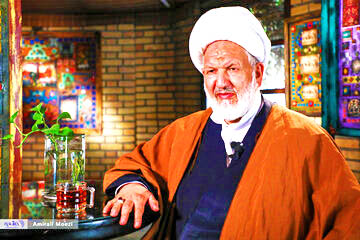
فردی ۲۰ سال قاضی بوده بعد از بررسی صلاحیتش می گویند التزام عملی به اسلام ندارد
فردی مثلا قاضی است و برای کار قضاوت گزینش شده و برای جان و مال و ناموس مردم اختیار داده شده که قضاوت کند، بعد از ۱۰ سال ۲۰ سال که قاضی بوده در انتخابات مجلس شورای اسلامی شرکت می کند می گویند التزام عملی به اسلام ندارد این مسئله برای مردم حیثیتی و دشوار است.
از طرفی آقا دعوت می کنند که کسانی که فکر می کنند در حل مسائل کشور موثر هستند در انتخابات کاندید شوند و مردم با این دید ثبت نام می کنند و با این مسئله مواجه می شوند و شورای نگهبان هم کاری از دستش بر نمی آید چون این مقدار جمعیت را در این بازه زمانی به این شکل بررسی کردن با مشکلات زیادی که وجود دارد، سخت است.
مجلس شورای اسلامی و شورای نگهبان واقعا باید تلاش کنند تا این مشکل را حل کنند. نظارت بر منتخبین چه ریاست جمهوری، چه مجلس و چه خبرگان لازم است و این سازوکار بسیار نادرست حتما باید عوض شود. در واقع به نوعی اذیت کردن مردم است و گاهی دیده شده در جایی بیش از افرادی که ثبت نام کردند، ردصلاحیت شدند و کسانی عدم احراز خوردند که سوابق روشنی دارند.
چطور شورای نگهبان صلاحیت فردی که استاندار، فرماندار یا قاضی بوده را احراز نمی کند؟
اگر کسی بوده که مثلا مغازه داشته و کاسبی می کرده و جای دیگر نبوده می گویند تو صلاحیتت احراز نشده است این طبیعی است. اما کسی که چند دوره استاندار، فرماندار و قاضی بوده و مسئولیت های خاصی داشته است می گویند که ما احراز نکردیم. خب چرا احراز نمی کنید؟ بالاخره شما سازوکارهایی در وزارت اطلاعات، نیروی انتظامی و سپاه دارید و باید ابزارهایی داشته باشید. چرا باید این موارد را عدم احراز کنید؟
این برای مردم قابل فهم نیست. لذا باید ابزارهای لازم برای این کار باتوجه به شرایط فعلی که تکنولوژی توسعه پیدا کرده به نحوی که معقول باشد، درست شود؛ یا مدت اضافه شود یا مثل این دفعه که پیش ثبت نام بود انجام شود، این یک مشکل عمومی است و مختص مجلس خبرگان نیست.
*مسئولیت قانون خبرگان دست خود نمایندگان این مجلس است، مثلا می توانند به جای شورای نگهبان نهاد دیگری را قرار دهند و...
نظارت شورای نگهبان، اصل قانون اساسی است و ما نمی توانیم آن را عوض کنیم .
*نه منظورم در موضوع بررسی صلاحیت هاست.
قانون اساسی تصریح کرده است که نظارت بر انتخابات ریاست جمهوری، مجلس و خبرگان با شورای نگهبان است اما این نظارت سازوکار و ابزارش نارساست و این ابزار باید عوض شود. یک نکته مهمی را مطرح کنم، قانون اساسی اصل اجتهاد را در نمایندگان مجلس خبرگان شرط کرده است که در گذشته به روش سنتی از دو راه احراز می شد؛ یکی اینکه افرادی که رهبری حکم دادند و در آن حکم بر اجتهادشان تصریح کرده باشند، یعنی وقتی امام و مقام رهبری حکمی داده بودند که اجتهاد او را احراز کرده بودند دیگر نیازی به امتحان ندارند.
کاندیدایی که اجتهاد او توسط سیستم احراز شده چرا باید امتحان بدهد؟
دیگر اینکه طبق قانون امتحان می گیرند تا اجتهاد را احراز کنند. روش سومی وجود دارد که در ادوار مختلف انتخابات خبرگان، شورای محترم نگهبان دوگانه برخورد کرده است. برخی سمت ها هستند به عنوان مثال رئیس دیوان عالی کشور ، دادستان کل کشور و وزیر اطلاعات که شرط احراز آنها اجتهاد است و قانون گفته که اینها باید مجتهد باشند. اگر کسی به عنوان دادستان کل کشور یا وزیر اطلاعات منصوب شد پس اجتهاد او توسط سیستم ما احراز شده است و در مجلس خبرگان شرکت می کند. بسیاری از حقوق دانان معتقدند که او دیگر نیازی به امتحان ندارد .
همانگونه که در مورد نمایندگان مجلس، قانون عالی گفته است که باید فوق لیسانس داشته باشند وقتی مدرک فوق لیسانس از دانشگاه ارائه می دهند دیگر شورای نگهبان بررسی نمی کند که تو امتحان فیزیکی در آن دانشگاه داده ای یا نه، تقلب کردی یا نه و مدرک وی فوق لیسانس تلقی می شود و کنکاش دوباره نمی کنند. فرض بر این است که اعمال نهادها را در حوزه خود محترم بشماریم .
وقتی برای دادستان کل کشور یا رئیس دیوان عالی کشور قانون گفته شده که باید مجتهد باشد و تشخیص آن را به قوه قضائیه محول کرده است و رئیس وقت قوه قضائیه او را به عنوان دادستان و رئیس دیوان منصوب می کند، معلوم است که قانونگذار به آن آقا اینقدر صلاحیت قائل بوده که یک مجتهد را تعیین کند و اگر در تعیین مجتهد مشکل دارید باید به همان قانون ایراد بگیرید.
وقتی قبول کردید که رئیس قوه قضائیه دادستان کل را تعیین کند و مجتهد باشد دیگر نباید بعد از اینکه این آقا در انتخابات خبرگان شرکت کرد، زیر ذره بین قرار دهید و بگویید دوباره امتحان دهد.
این قسمت از عملکرد شورای نگهبان در این دوره و در ادوار گذشته قابل نقد است. در این دوره از برخی از کسانی که دارای اجتهاد در سمت های قانونی بودند از آنها خواسته شده امتحان دهند. به نظر من این وجاهت قانونی ندارد و ای کاش شورای نگهبان عملکردشان را در این زمینه تغییر دهند و به همان شیوه ای که معمول بوده صورت گیرد.
عدم اعلام دلایل ردصلاحیت کاندیداها درست است
*نکته ای که درباره شورای نگهبان و بررسی صلاحیت مطرح است بحث اعلام دلائل است، نسبت به این موضوع چه نظری دارید، آیا ایراد به شماره نگهبان است وقتی خود نامزدها بگویند که شما دلایل ما را اعلام کنید و شورای نگهبان همچنان ابا کند یا...؟
این ایراد وارد نیست و کار شورای نگهبان کاملا صحیح است. اگر رد صلاحیت شوند و هیچ اقدامی نکنند اشکال وارد است اما رد صلاحیت کنند و اعلام عمومی نکنند و به خود فرد اعلام کنند اینجا اشکال وارد نیست.
چون اعلام عمومی هتک حیثیت یک فرد است و اگر فردی متهم به مسائلی است و اثبات شده و کسی نمی داند و در مجلس یا خبرگان ثبت نام کرده و ما به همه اعلام کنیم؛ درست نیست. برخی هم که به این مسئله گیر می دهند و اعتراض می کنند مغالطه می کنند. خب برادر عزیز به خود شما اعلام شده که دلایل رد صلاحیت چیست و شما که اشکال می گیرید جواب شورای نگهبان را خودتان به رسانه ها بدهید و انتقاد کنید نه اینکه بگویید شما اعلام کنید و این بار را بر دوش شورای نگهبان بگذارید و بگویید که رسانه ای کند این درست نیست. اینکه به هر فردی دلائل رد صلاحیتش را اعلام کنند شرعی و قانونی است ولی اینکه بگویند رسانه ای کنند مغالطه است.
On the morning of Saturday, January 19, just a few days after the prosecution filed a lawsuit to recover the assets of the Iranian nation from the Pahlavis, the MKO declared public outrage. It wasn’t long before two judges related to the country’s intelligence were assassinated in their offices. This news did not receive widespread coverage like the news coverage of Ebrahim Raisi’s martyrdom, but it was praised by the People’s Mojahedin!
Judge Ali Razini was one of the colleagues of martyr Ebrahim Raisi, as was Judge Moghiseh, the judge in the Statoil and Total corruption case in 1998.
During this incident, and also when prominent judges and enduring figures become martyrs, the question arises: how easy is it to assassinate our elders?
The following is the text of Ali Razini’s interview with the news agency, republished by Cafe Parchina from the Nahang Now magazine, to express his own views, who had survived assassination attempts several times:
Razini: How can the Guardian Council not verify the qualifications of a person who was a governor or a judge? /Victory in the elections will make it easier for us to fight several wars
Ayatollah Razini
"Hojjat al-Islam wa al-Muslimeen Ali Razini", a candidate for the sixth Assembly of Experts, says: There should be clerics in the Assembly of Experts who, in addition to ijtihad, have also been in executive responsibility.
Fatemeh Estiri: "The Assembly of Experts should act more actively and operationally", "There should be clerics in the Assembly of Experts who, in addition to ijtihad, have also been in executive responsibility", "What disaster will happen to non-clerical institutions that provide different lists?", "There are problems with the way the Guardian Council examines qualifications", "How can the Guardian Council not verify the qualifications of a person who has been a governor, governor or judge?" etc.
These are the sentences put forward by Hojjat al-Islam wa al-Muslimeen Ali Razini, a candidate for the list of the Clergy in the sixth Assembly of Experts. He, who has served for years in positions such as the head of the Armed Forces Judicial Organization, the head of the Administrative Court of Justice, the head of the Special Court of the Rouhani, representatives of the Assembly of Experts, and ..., emphasizes; "The Assembly of Experts must be active and be able to pay attention to the demands of the people and take steps towards resolving the demands."
He considers the way the Guardian Council examines qualifications to be critical and says; "For example, a person is a judge and is selected to judge and is authorized to judge for the lives, property, and honor of the people. After 10 or 20 years of being a judge, he runs in the elections for the Islamic Consultative Assembly. They say that he has no practical commitment to Islam. This is a matter of dignity and difficulty for the people."
Read the full interview with Khabar Online News Agency with Hojjatoleslam Wa Muslimeen Razini;
******
*Mr. Razini! From the position of a figure who has had the experience of being present in the Assembly of Experts, what description do you have of the current Assembly of Experts, its position, its strengths and weaknesses? And why did you run for office this time after a period of absence?
The Assembly of Experts is one of the most important and important parts of the Islamic Republic. Like most other countries, our constitution has some common and conventional provisions. For example, elections to the Islamic Consultative Assembly are held every 4 years.
The superiority of our constitution over other constitutions lies in 3 points; one is the principle of Velayat-e-Faqih, which is actually a coordinating institution between the powers and the axis of cohesion in the country. Other countries have problems with this issue.
The second point is the issue of the Guardian Council, which is actually a guarantee of the continuity of the constitution so that it does not deviate from its original path. In some other countries, there are institutions similar to the Constitutional Court, but none of them are as powerful as the Guardian Council.
The third advantage of our constitution is the Assembly of Experts, which has actually guaranteed the participation of the people in choosing the leadership through a type of two-stage election. If the participation of the people in choosing the leadership were not in the form of a presidency, we might have encountered problems.
In short, by guaranteeing mechanisms, the constitution has created conditions in such a way that the transfer of power or the change of leadership does not create any problems in the current process of the country. For example, after the death of the Imam, those who elected the leader were already elected and in a single assembly, in a very short time, in less than 24 hours, they determined the next leader, and there was no basis for the predictions of the enemies of the Islamic republic.
Assembly of Experts, Continuation of the Principle of Leadership
Therefore, one aspect of the problem is that the Assembly of Experts is responsible for the continuation of the principle of leadership, and the second issue is that nowhere in the world do we have such an institution where scholars and scientists have an elected institution. It is possible that somewhere, for example, university professors or scholars and scientists have meetings that are more of an appointment than an election.
If it is an election, it is the same group that is elected. Doctors choose the medical system themselves. However, the fact that the people of a country and the entire nation participate in the elections of the Assembly of Scholars is not found anywhere in the world and is of high quality, meaning that the 88 people who are in the Assembly of Experts are the essence of the 80 million population of Iran. In fact, the 80 million population of Iran are summarized in 88 people, which is a high and important capacity, and for this reason, the Assembly of Experts is a very important assembly.
Criticism is directed at the gap between the Assembly of Experts and the people
*You mentioned that the Assembly of Experts is the essence of the 80 million population. The criticism directed at the Assembly of Experts is the gap between this assembly and public opinion and the body of society. Just observe in the electoral atmosphere right now that people are familiar with the Islamic Consultative Assembly but not with the position of the Assembly of Experts. Do you yourself consider this criticism directed at the Assembly of Experts and that the body of society should have more contact with the members of the Assembly of Experts?
Yes, this criticism is directed. Although the main function of the Islamic Consultative Assembly and the legislative branch is to legislate and is designed to formulate laws, this capacity has been used to supervise the executive branch in addition to formulating laws, for example, they can question ministers, impeach them, and learn about the situation through investigation and investigation.
In addition, the people have other expectations from the Assembly that are neither legislation nor oversight. People in different parts of the country demand public, welfare, and cultural issues from their representatives. Although the demand is not stipulated in the law, it is practically established that the representative of the Assembly follows up so that, for example, if a city in its constituency does not have a road or is lagging behind in terms of some welfare issues, these deficiencies are eliminated.
However, the essence of the Assembly of Experts is to determine the leader and ensure and continue the conditions of the leadership, but it is fair that the capacity of the 88 prominent clerics with the level of ijtihad, who are elected by the people and millions of people vote for them, was used more.
How good it would be if the Assembly of Experts were a link between the people and the leadership
For example, how good it would be if the Assembly of Experts acted as a link between the people and the Supreme Leader and other officials. That is, they were present among the people and examined and summarized the demands of the people, and the country's officials, on a case-by-case basis, collected the problems from the experts of each region and transferred them to the Supreme Leader. It would be very good if this were done.
Of course, there are two important points; first, the experts themselves should include this issue of communication with the people in their programs. We invited the people to vote for efficient experts, the purpose of which is to have an Assembly of Experts that is not just present when needed to determine the leader, but also takes responsibility, is among the people, receives the demands of the people, and tries to solve the problems of the people.
The Assembly of Experts should act more actively and operationally
But how much better if this issue and duty for the Assembly of Experts is made legal. Fortunately, the Constitution has assigned the enactment of laws and regulations regarding the Assembly of Experts to the Assembly of Experts itself. The Assembly of Experts can formulate its own regulations. I wish they had the opportunity to define such duties and the relationship between the people and the Assembly of Experts more clearly, and that what makes the Assembly of Experts an active and operational assembly be foreseen in the Law of Experts and practically realized.
I was a representative of the Assembly of Experts from Hamedan Province in the fourth term, and during that period I was a member of the Assembly of Experts’ Rules Committee. This committee amends the regulations related to the Assembly of Experts if necessary. At the same time, one of the things that was done in our committee was to increase the number of meetings of the Assembly of Experts. At that time, they criticized what kind of assembly this is that convenes twice a year, holds a session in Farvardin and does not have a session until Shahrivardin and then goes again until Farvardin of the following year.
The reason for this was that the experts of the Assembly were in all parts of the country and were not in Tehran, and many of them had other responsibilities. Because the job of being a member of the Assembly of Experts does not conflict with other responsibilities. For example, they were Friday imams or heads of institutions. Therefore, their large presence would have created problems for them, and on the other hand, their low presence would not have responded to the demands of the people.
A mechanism was developed in this commission for the Assembly of Experts to hold meetings between sessions with a more compact capacity. It is not possible to hold meetings with all 88 people, but meetings can be held with half this number, or 30 or 40 people.
The Assembly of Experts must pay attention to the demands of the people
Accordingly, in the last decade, it was decided that between the two main sessions, other meetings would be held with the presence of the Presiding Board and the elected members of the Assembly of Experts, with a limit of 30 people. This was a positive step in this direction.
In this regard, I think the Assembly of Experts should be active and be able to pay attention to the demands of the people and take steps towards resolving the demands. This does not necessarily mean that it should interfere in the executive branch. It is natural that the executive branch should do its job and no one should interfere. But the executive branch has shortcomings and criticisms against it, as well as the two legislative and judicial branches.
Any power that fails to perform its duties or has suggestions for improving its duties, the Assembly of Experts is one of the best places to receive these problems and make suggestions for solving them. After all, the members of the Assembly of Experts are clerics, and clerics become familiar with the problems during congregational prayers or other ceremonies.
Making the meetings of the Assembly of Experts public is not a necessity
The information they receive and the demands that exist should be summarized in the meetings of the experts or commissions and presented to the relevant authorities, meaning that both the problems and shortcomings should be conveyed and suggestions and solutions that are effective in this direction should be made.
*One of the points that many candidates for the Assembly of Experts have recently raised is making the meetings of the experts public. Do you agree with this? How much of the discussions of the Assembly of Experts can be broadcast to the public?
In my opinion, the meetings of the Assembly of Experts should be public. What is important is that the field is open for their activities and that they do things in this direction. Of course, the actions of the Assembly of Experts should be reflected. But the fact that the entire meetings are not useful for the people. Of course, a summary and summary of the meetings should be reflected to the people.
If there were any approvals and changes in the work process, they should certainly be informed to the people and this is currently being done. Also, part of the sessions of the Assembly of Experts are speeches before the Assembly of Experts' order, parts of which are also published. Cases that raise public issues are reflected.
*You have mentioned several times the role that the Constitution has determined for the Assembly of Experts, the law has determined a supervisory section for the members of the Assembly of Experts, and even the Leader of the Revolution himself has emphasized this issue. It seems that some members of the Assembly of Experts They do not believe in this supervisory role, they consider it as weakening the position of the leadership, not supporting and protecting the leadership. Or they use the word discovery instead of selection. How do you describe the supervisory role of the Assembly of Experts?
Our criterion is the Constitution, which is the price of the blood of martyrs and an important document of our system, and it uses the word selection for leadership, so we also select. In that selection also has a kind of spiritual aspect, it is related to complex theological discussions that should not be entered into, what is customary is that the Assembly is formed to select the leadership. That is, if at the time of the death of the Imam, the Assembly of Experts did not exist, it was unclear how to manage affairs, so the Assembly was formed and they voted; they voted both on the method of leadership being a council or an individual, and on the individual. The issue is the issue of selection, and our criterion is the law.
In each session of the Assembly of Experts, they vote on the leadership and his competence
Oversight is also like this, what is stipulated in the Constitution is to guarantee the continuity of the leader's conditions. In each period of the Assembly of Experts, the Assembly of Experts first has a statement in which it states matters appropriate to its time. Among other things, it states its opinion about the current leader, meaning whether these elected experts accept this leader and consider him the leader or not.
That is, in each session of the Assembly of Experts, they vote once again on the leadership and the qualifications and conditions of the leader, and one of the matters explicitly raised in that statement is that, considering the conditions that have occurred during this period, they express the leadership's management of seditions and incidents, dealing with foreign and domestic enemies, and declare that we accept his leadership.
Another point is that at the end of each session, they attend the service of the leader and his instructions are heard, and in that session, they present the matters they have considered to the Supreme Leader and provide explanations to him.
The law does not mention the Assembly of Experts' supervision of the institutions appointed by the Supreme Leader.
Therefore, the duty that exists in relation to the experts' oversight of orders is now practically being carried out. But some friends generalized this to mean that supervision should be supervision of institutions appointed by the Leader, but this is not understood from the Constitution. If other changes are made to the law, it is a separate issue. Currently, the Constitution has not implemented or determined such a thing. On the contrary, our laws have determined appropriate mechanisms for supervision for the Supreme Leader's appointees, other than experts.
Supervision is an important issue, and supervision is also emphasized in the Islamic governance system. In a letter that Imam Ali wrote to Malik Ashtar during his time as governor of Egypt, it is emphasized that you must supervise your appointees and that simply appointing one person for one job is not enough.
How to supervise the armed forces and the judiciary
Supervision today, as countries have expanded and the population has increased, and tasks have been divided between ministries and institutions, is different. Supervision can be foreseen for each organization. For example, part of our institutions are the armed forces, which the Leader, as the Commander-in-Chief of the Armed Forces, appoints their officials. The Constitution has approved that the appointment of the highest commanders of the armed forces is the responsibility of the Commander-in-Chief of the Armed Forces. Are the army and the IRGC monitored or not? The behavior of the armed forces is monitored in various ways. The ideological and political organization carries out some of the monitoring, the information protection also carries out some, and the military courts and the judicial organization do the same. That is, the light of monitoring shines on them from several angles and there is no gap without monitoring.
If it was minor and a reminder, the ideological and political organization carries out it, if it was more, the information protection follows up, and if it was more, the judicial organization follows up. So the performance of the armed forces is not without monitoring.
According to the constitution, the head of the judiciary is appointed by the leadership, and the head of the judiciary, the Attorney General of the country, and other officials also monitor. Both the Disciplinary Prosecutor's Office controls the judges, and the Supreme Court.
The court has jurisdiction in various ways. If someone is appointed to a position and does not commit a crime but loses the conditions, meaning he was previously just but is no longer just, the court says that because he is not just, he is dismissed and retired and bought back, meaning he is monitored. Therefore, the judiciary has not been left without monitoring.
So, for the Supreme Leader’s appointees, the law has foreseen supervision and determined different mechanisms. It may be a fallacy to say that the constitution has been used to have experts supervise subordinate institutions because providing a debate may cause interference and chaos. For example, if someone becomes the head of the judiciary, but a representative of the experts says that this person is not useful. Therefore, a kind of inconsistency and tension is created here. Therefore, according to the law, supervision of the judiciary is not the responsibility of the Assembly of Experts.
A separate list of clerical organizations is closer to competitive elections in the Leader’s opinion
*In this election cycle of the Assembly of Experts, we see the competition between the militant clergy community and the teachers’ community more tangible. Specifically, in Tehran, you and 4 other dignitaries are not on the list of the teachers’ community. What is the reason for this difference and how effective were the changes in the leadership and structure of these two clerical organizations in the different lists that were given?
It is customary for a number of clerical organizations to submit multiple lists, each with its own advantages and disadvantages. In my opinion, this method is closer to the law and the opinion of the Leader. Because the gentleman emphasized that different groups should participate in the elections and compete because it will bring different tastes of the people and voters to the stage.
If there is supposed to be one list, that list will bring votes, which means there will be no motivation to participate in the elections.
Different tastes should nominate candidates and candidates in the elections of the councils, the Islamic Consultative Assembly, and the presidency, and people should participate and vote according to their perception of which one of these people is closer to them, so that the elections become competitive.
Of course, our enemies, who control the world's media, abuse every issue in some way to weaken the system. For example, when two elections are held simultaneously, 15 million people participate in one and 14 million in the other. They analyze this 1 million difference as, for example, people do not tend to the leadership and the Assembly is more important to them and they voted more in it, while it is natural. Someone who is educated there votes and does not vote where they are not educated, here they have an incentive because the representatives of the Assembly have an influence on their current issues, they study and vote, but the enemies abuse this issue.
What disaster will happen if non-clerical institutions give different lists?
We recommend that everyone who participates in the elections try to vote in both elections, even if it is with fewer votes. If they don't know all the candidates and only know 4 or 5 people, they should participate so that this suspicion doesn't arise. But what disaster will happen if we say that religious institutions have differences, except for secular institutions that give different lists?
It is natural that different tastes suggest different candidates, and people act based on their knowledge of the candidates. Even if there are not two lists, but 10 lists, and they don't share the same list. In this period, the most comprehensive list is 70 or 80 percent common and 10 or 20 percent different. In my opinion, there will be no problem even if they are completely different.
The people are decisive, and the amount of votes is the people's, and they vote with more insight based on studying the biographies and profiles of those people. But I will explain about comparing these two lists, especially in Tehran, where there are 16 people, and among them, 11 are common and 5 are different.
The emphasis of the clerical community has been on candidates residing in Tehran.
Of course, we consider both organizations to be pillars of the system and they were present from the beginning of the revolution and before that, and they helped in establishing the Islamic system and followed the path of the late Imam and played an effective role in encouraging the people to the revolution and guiding them to the right path. They were our professors and elders, those who went to God's mercy, may God have mercy on them, and those who stayed, may God grant them health and long life, both are valuable institutions.
But in comparison with this dual list, I would like to point out some points:
First, for example, is it better for a person who represents Isfahan to be from Isfahan or to go there from another city? Of course, there is no problem or prohibition legally, but do you think it is good that the representatives of Isfahan, of which there are 4, one comes from Mashhad and one from Shiraz? From a customary perspective, it is appropriate for the representatives of the experts to be residents of the same city and have a clear relationship with the people of that city. Especially since we want to make the experts efficient and use their capacity more fully.
So this list that the militant clerical community gave is based on people who are from that province, not people who came from other places. Of course, there are cases, for example, a remote province that has few clerics and no clerical candidates. Of course, Qom province and other cities that have more candidates there are very good for them to go to those small cities and become candidates. But a city that has many clerics and has participated in the Guardian Council's Ijtihad exam and been accepted, and their conditions have been reviewed and they are qualified, why should we include candidates from another city? This does not make sense to me.
There should be clerics in the Assembly of Experts who, in addition to Ijtihad, have also been in executive responsibility.
Another issue is that some of the elders who were in the Assembly of Experts were involved in the work of the region, they were educated, became mujtahids and taught, and most of their life and service was in the region, which is suitable for membership in the Assembly of Experts. But since the Assembly of Experts wants to elect a leader who has absolute ijtihad, management, and management, naturally, in order to determine whether the leader is a manager and management, there must be clerics in the Assembly who, in addition to ijtihad, have also held executive responsibilities, that is, they have shouldered the burden of responsibility.
For example, there is a cleric who has been on the front for years, a cleric who has been in the ideological-political department of the army for years and is familiar with the law of the armed forces, a cleric who has been the leader's representative in jihad or the Red Crescent or any other institution. Therefore, a representative who, for example, has been in the Red Crescent is knowledgeable about many issues and can naturally be more useful in the Assembly of Experts. We believe that those who have held positions of responsibility and have been in the university, the judiciary, and various clerical responsibilities for decades, who in addition to ijtihad also held these responsibilities, in my opinion, priority should be given to this category of clerics.
Younger mujtahids should also be present in the Assembly of Experts because...
Another issue is that although there is no age limit for the Assembly of Experts according to the law, someone who is 80 years old or older can still be a member of the Assembly of Experts, but how good it would be to have younger mujtahids in the Assembly of Experts alongside those who are our teachers and the relics of the revolution and who worked hard to be in the Assembly of Experts. If younger mujtahids are present alongside those nobles, the Assembly of Experts will be more active and work will be easier and better done.
For these three reasons, I consider the list of the Society of Fighting Clergy to be more appropriate and I recommend that people vote for this list. They should be younger in terms of age, have various government responsibilities and responsibilities in the system, and live in that city. In my opinion, this is better than voting for those who were in the seminary and did not have much mobility and responsibility.
* We have heard many times about these upcoming elections that many prominent figures did not run at all, and they base their argument on the fact that the criteria for examining qualifications are too narrow and limited, and that these elders are afraid of...
I was mainly in the judiciary, and for a while I was appointed by the Imam to the Al-Zahra community, which is a seminary for sisters, and I was part of the board of trustees of that complex that conducts women's studies in Qom. For a while I was the head of the Faculty of Judicial Sciences, a place that is specifically for training judges, and I was also involved in cultural work, but my main responsibility was judicial, the courts of judicial organizations, the armed forces, and administrative supervision, etc. But part of my work was to be present at the special court of the clergy, which is outside the judiciary, and the head and prosecutor of this court were appointed by the late Imam. That is, because of the importance of this complex, the Imam appointed someone as the Sharia ruler of this court and someone as the prosecutor of this court. This issue created a sense of responsibility in me because if the late Imam considers someone suitable to deal with clerical violations, it is clear that I am familiar with clerical pathology, and this ruling was also implemented after the late Imam's death and the establishment of the leadership of Ayatollah Khamenei; that is, the Supreme Leader confirmed this as the second Imam of the Revolution.
The Assembly of Experts has a deterrent aspect
Therefore, we were elected to work on clerical pathology during the time of both Imams of the Revolution and I was in this position for about 18 years. This created a sense of responsibility in me to be present in the Assembly of Experts. Especially because of the issue of the presence of influential factors in institutions, which was widely discussed in the media and some examples were highlighted.
As someone who has spent two decades of my life in the Special Court of Clergy, I felt the need to be present in this assembly. Of course, we pray that this situation will continue, and if we do vote by the end of this period, there will be no need for the issue of choosing a leader, and this flag will be presented to the Supreme Leader by His Highness Ayatollah Khamenei. Of course, I must also mention that the Assembly of Experts also has a deterrent and preventive aspect, because with this mechanism for determining the leader, the enemy will avoid conspiring against the leader.
In any case, we hope that this situation will continue. However, if there is a need to determine a leader, my experience in the Special Court of Clergy and in understanding the problems that some clerics have can have an impact. For this reason, I felt obliged to register for these few periods.
The problem lies in the way the Guardian Council reviews qualifications
* How influential do you think the results of the qualifications review are in preventing some prominent clerics from becoming candidates? Specifically, during this period, we had the disqualification of several prominent figures such as Mr. Alavi and Mr. Rouhani. How much does this disqualification cool the atmosphere in which some prominent clerics and scholars want to enter the field of candidacy?
We have problems with this issue not only in the elections of the Assembly of Experts but also in the elections of the Islamic Consultative Assembly, and to be fair, there are problems. But now there is no other choice. The existence of the Guardian Council is one of the important advantages of our system, which is that the qualifications of the individual who is running for office must be checked in the elections. If it is not checked, enemy influencers will enter and the country will deviate from the right path. Therefore, both the Guardian Council is necessary and the Guardian Council should be more careful than this. However, I believe that the work of the Guardian Council should be done and care and rigor are also necessary. Therefore, the legal mechanism that has been set is not appropriate and is outdated and does not solve today's problem.
For example, at a time when we had 270 members of parliament, the gentlemen had the idea that 500 or 1000 people would register, meaning 3 or 4 people for each seat.
They would divide 1,000 people among themselves and review them in 20 days, and that would be possible. But what if 1,000 people became 10,000? They would do it with difficulty, but what if 100,000 people or a million people? There is no legal prohibition on registration, but how can 12 members of the Guardian Council, who are also elderly, review their qualifications in 20 days?
Therefore, these problems arise from here, and the law here is very incomplete, and we ask both the Islamic Consultative Assembly and the Guardian Council to resolve this problem as a demand of the people, since many are protesting this process and the reputation of the people is being destroyed here.
Ali Razini, Shahid Judge of the Tehran Prosecutor's Office
A person has been a judge for 20 years, and after reviewing his qualifications, they say that he has no practical commitment to Islam
A person, for example, is a judge and has been selected for the job of judging and has been given the authority to judge for the lives, property, and honor of the people, but after 10 years of being a judge for 20 years, they run in the Islamic Consultative Assembly elections and they say that he has no practical commitment to Islam. This is a matter of dignity and difficulty for the people.
On the other hand, the gentleman invites those who think they are effective in solving the country's problems to run for office, and people register with this view and face this problem, and the Guardian Council cannot do anything because it is difficult to examine this amount of population in this period of time in this way with the many problems that exist.
The Islamic Consultative Assembly and the Guardian Council should really try to solve this problem. Monitoring the elected officials, whether the presidency, the parliament, or the experts, is necessary, and this very incorrect mechanism must definitely be changed. In fact, it is a kind of harassment of the people, and sometimes it has been seen that more people who registered were disqualified and those who had clear records were disqualified.
How can the Guardian Council not verify the qualifications of a person who was a governor, governor, or judge?
If someone, for example, had a shop and was doing business and was not in another place, they would say that your qualifications were not verified. This is natural. But someone who has been a governor, governor, and judge for several terms and had specific responsibilities would say that we did not verify. So why don't you verify? After all, you have mechanisms in the Ministry of Intelligence, the Police Force, and the Revolutionary Guard and you should have tools. Why should you not verify these cases?
This is not understandable to the people. Therefore, the necessary tools for this work should be created in a way that is reasonable, considering the current conditions where technology has developed; or the period should be extended or it should be done like this time before registration, this is a general problem and is not specific to the Assembly of Experts.
*The responsibility for the Law of Experts lies with the representatives of this Assembly, for example, they can replace the Guardian Council with another institution and...
The Guardian Council's supervision is a principle of the Constitution and we cannot change it.
*No, I mean in the matter of reviewing qualifications.
The constitution has stipulated that the supervision of the presidential, parliamentary, and expert elections is the responsibility of the Guardian Council, but this supervision, its mechanism, and tools are inadequate, and these tools must be changed. I would like to raise an important point. The constitution has stipulated the principle of ijtihad in the representatives of the Assembly of Experts, which in the past was traditionally verified in two ways; one is that people who have issued a ruling and have specified their ijtihad in that ruling, meaning that when the Imam and the leadership issued a ruling that their ijtihad had been verified, they no longer need to take an exam. Why should a candidate whose ijtihad has been verified by the system take an exam? Another is that they take an exam according to the law to verify their ijtihad. There is a third method that the esteemed Guardian Council has used in different rounds of the expert elections. There are some positions, for example, the Chief Justice of the Supreme Court, the Attorney General of the country, and the Minister of Intelligence, whose prerequisite for their qualification is ijtihad, and the law says that they must be mujtahids. If someone is appointed as the Attorney General or the Minister of Intelligence, then his ijtihad has been verified by our system and he participates in the Assembly of Experts. Many jurists believe that he no longer needs to take the exam.
Just as in the case of members of parliament, the Supreme Law has said that they must have a master's degree. When they present a master's degree from a university, the Guardian Council will no longer check whether you have taken the physical exam at that university or cheated or not, and your degree will be considered a master's degree and they will not re-examine it. It is assumed that we respect the actions of institutions in our field.
When the law says that the Attorney General or the Chief Justice of the Supreme Court must be a mujtahid and has assigned the determination to the judiciary, and the then Chief Justice of the Judiciary appoints him as a prosecutor and chief justice, it is clear that the legislator has given that gentleman enough authority to appoint a mujtahid, and if you have a problem with appointing a mujtahid, you should object to the same law.
Once you accept that the head of the judiciary should appoint the Attorney General and be a mujtahid, you should not put him under a magnifying glass after he participates in the elections of the Council of Experts and tell him to take the exam again.
This part of the performance of the Guardian Council in this period and in previous periods is subject to criticism. In this period, some of those who had ijtihad in legal positions were asked to take the exam. In my opinion, this has no legal validity and I wish the Guardian Council would change their performance in this regard and do it in the same way as usual.
The failure to announce the reasons for disqualification of candidates is correct
*The point that is raised about the Guardian Council and the examination of qualifications is the issue of announcing the reasons. What is your opinion on this issue? Is there a problem with the Guardian Council when the candidates themselves say that you should announce our reasons and the Guardian Council still refuses or...?
This problem is not relevant and the work of the Guardian Council is completely correct. If they are disqualified and do not take any action, there is a problem, but if they disqualify and do not announce it publicly and announce it to the individual themselves, there is no problem.
Because public announcement is defamation of a person's reputation, and if a person is accused of something and it is proven and no one knows, and he is registered in the parliament or the experts and we announce it to everyone; it is not right. Some who get caught up in this issue and protest are making a mistake. Well, dear brother, you have been informed about the reasons for disqualification, and if you have any objections, give the Guardian Council's answer to the media yourself and criticize it, not saying that you should announce it and put this burden on the Guardian Council and tell it to do it to the media, this is not right. It is religious and legal to announce the reasons for disqualification to every person, but to say that they should do it to the media is a mistake.