صفر تا صد انکپسولاسیون در صنایع غذایی
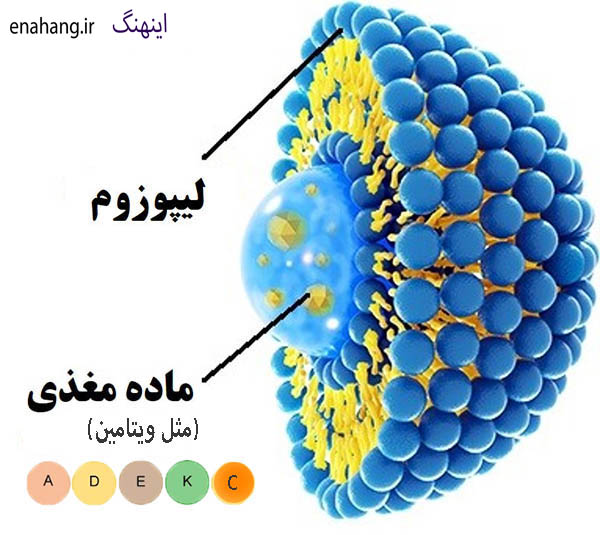
در سال های اخیر تقاضای جهانی برای مواد غذایی ایمن و سالم با حداقل مواد نگهدارنده مصنوعی به طور مداوم در حال افزایش است. بسیاری از ویتامین ها و دیگر ترکیبات ریزمغذی در مواد غذایی پایدار نبوده و در معرض تجزیه هستند که سرعت و میزان آن بستگی به ساختار شیمیایی ریزمغذی ها، ویژگی های ماتریکس غذایی، شرایط فرایند و محیط نگهداری دارد. یکی از روشهای مرسوم برای نگهداری آنها در شرایط پایدار، انکپسولاسیون می باشد.
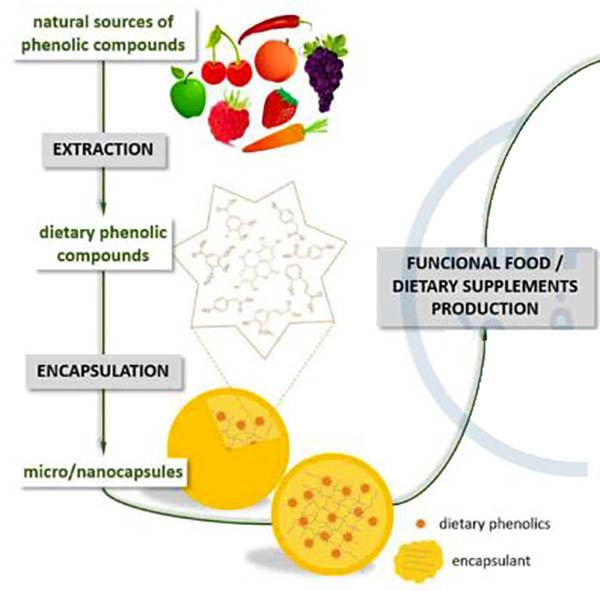
فناوری انکپسولاسیون (ریزپوشانی) برای حفاظت از ترکیبات زیست فعال پلی فنول ها، ریز مغذی ها، آنزیم ها، آنتی اکسیدان ها و مواد غذایی با خواص درمانی در برابر عوامل زیست محیطی است. انکپسولاسیون به عنوان روشی برای به دام انداختن موقت یک ماده فعال در یک ماده پوسته توصیف شده است. ماده یا عامل فعال میتواند در حالتهای مختلف، یعنی جامد، مایع یا حتی گاز وجود داشته باشد و تحت شرایط خاص یا کنترلشده مانند pH، فعالیت آبی، دما یا زمان معین آزاد شود. کپسولاسیون بیش از نیم قرن است که به کار میرود و به دلیل پیشرفتها و مزایای مشاهده شده در آن، یک فناوری قابل قبول است.
فرآیند انکپسولاسیون
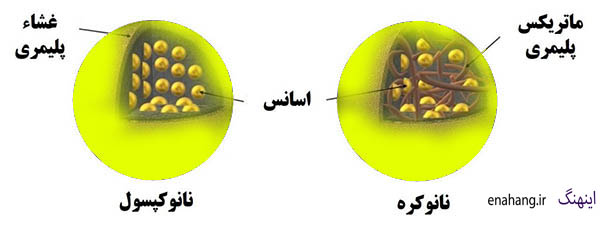
فرآیند انکپسولاسیون شامل قرار دادن مواد مختلف مایعات، جامدات و گازها درون یک پوشش هموژن یا هتروژن می شود. این فرآیند شامل قرار دادن ماده مورد نظر در هسته یک ماده زمینه ای پیوسته برای حفاظت، تثبیت و کند کردن رهاسازی ترکیبات هسته می باشد. انکپسولاسیون می تواند به عنوان تکنولوژی بسته بندی مواد جامد، مایع یا گازی در کپسول های کوچک بسته و آزادسازی محتوای آن ها در یک نرخ کنترل شده و تحت شرایط خاص تعریف شود. ماده انکپسوله شده می تواند تحت عنوان فاز هسته، پر شده، فاز فعال، فاز داخلی یا فاز بارگیری شده و ماده انکپسوله کننده به عنوان فاز پوشش دهنده، غشا، پوسته، کپسول، ماده حامل، فاز خارجی یا ماتریکس نامیده شود.
روش های کپسوله کردن یا پوشینه سازی
انکپسولاسیون با پاشش مواد پوششی: از بین روش های موجود، اغلب خشك كردن پاشش مواد پوششي مورد استفاده قرار مي گيرند. با موارد زیر این روش استفاده میشود: صمغ عربي، نشاسته هيدروليز و اصلاح شده، دكسترين، ژلاتين مي باشد. ریزپوشانی با خشک کن پاششی فرایند تجاری ساده، پیوسته و کم هزینه ای است که به طور گسترده ای در مورد مواد حساس به حرارت همچون اسانس ها، طعم ها و مواد دارویی به کار می رود. بیش از 90% طعم های پوشینه دار شده با این روش تهیه می شود.
انکپسولاسیون با اكستروژن: اين روش فرآيندي است كه در آن امولسيون طعمي از ميان يك ماده فعال در یک ماده پوسته، در فشار كمتر از kpa 700 و دمای پايين تر از 115 درجه فشرده مي شود. اين روش يراي درون پوشينه سازي رنگ ها، ويتامين ها و طعم ها استفاده مي شود.
ورود مولكولي در سيكلودكسترين: اين روش تنها روش درون پوشينه سازي درون مولكولي مي باشد. سیکلودکسترین ها تمایل دارند تا مولکولهای دیگر را در داخل شبه استوانه ای خود به هم متصل کنند. این رفتار گنجاندن (و رها سازی) منجر به کاربردهایی در پزشکی میشود. سيكلودكسترين ها مولكول هاي نشاسته اصلاح شده آنزيمي، از اتم هاي هيدروژن و اتم هاي پل اكسيژن گليكوزيدي تشکیل شده اند كه ايجاد خصوصيت هيدروفوبيك و واكنش با مولكول هاي ارگانيك مختلف يا پاره مولكول ها مي كند.
كوآسرواسيون: اين روش به عنوان روش جداسازي فاز هم شناخته مي شود. مكانيسم اصلي بكار رفته در اين روش تشكيل يك امولسيون و متعاقبا ته نشيني فاز پيوسته اطراف قطرات فاز پراكنده است. این روش يك سيستم سه فازي شامل حلال، ماده هسته اي و ماده پوششي ايجاد مي كند.
اكستروژن توام: در اين روش ماده هسته اي مايع همراه با ماده پوششي در دو لوله متفاوت به سمت نازل هايي پمپ مي شوند و در حين خروج لرزه اي به ذرات وارد مي آيد و ماده پوششي روي قطرات هسته قرار مي گيرد. در مرحله بعد با تبخير، اتصالات عرضي و سرد كردن، پوشش سخت مي گردد.
اكستروژن سانتريفوژي: يك فرآيند اكستروژن توام مايع مي باشد و دستگاه آن از نازل هاي متحدالمركزي ساخته شده است.
پوشش تعليق هوايي: اين روش به نام پوشش پاششي و يا بستر سيال مي باشد و عموما براي درون پوشينه كردن مواد جامد به كار مي رود و به عنوان دومين فرآيند در توليد تجاري محصولات درون پوشينه شده در صنايع غذايي به كار مي رود.
سرد سازي پاششي و خنك سازي پاششي: اين روش كاملا مشابه روش خشك كردن پاششي مي باشد. با اين تفاوت كه هيچ تبخيري بر روي ماده پوششي اتفاق نمي افتد.
جداسازي سانتريفوژي تعليقي: اين روش شامل شكل گيري سوسپانسيون از ماده هسته اي و مايع پوششي و عبور سوسپانسيون از ميان تجزیه کننده صفحه اي دوار مي باشد.
خشك كردن انجمادي: براي خشک كردن، تقريبا تمام مواد حساس به حرارت مانند طعم ها، اسانس هاي محلول در آب و آروماهاي طبيعي استفاده مي شود.
كريستالي کردن توام: فرآيندي است كه در آن قند ساکارز به عنوان ماتريسی براي همكاري با ماده هسته اي استفاده مي شود.
درون پوشينگي توام: اين روش براي توليد اليگوساكاريد هاي كيتوزان مي باشد كه فعاليت بيولوژيكي زيادي مانند ضد ميكروبي و غیره دارد.
خشک کردن با اسپری درایر (خشک کردن پاششی)
گسترده ترین روش انکپسولاسیون خشک کردن با اسپری است. این روش انعطاف پذیر، دائمی و اقتصادی است. به دلیل مزیت نسبی خشک کردن با اسپری نسبت به سایر روشهای کپسوله کردن، این روش بعنوان یک تکنیک کپسولهسازی مؤثر و پرکاربرد در صنایع غذایی و دارویی شناخته می شود. یکی از قابل توجه ترین مزایای خشک کردن اسپری ظرفیت آن برای پردازش انواع مختلفی از مواد برای تولید محصول نسبتاً خشک شده با خواص از پیش تعیین شده است. در این روش، ماده فعال به خوبی در مواد محصور کننده مخلوط می شود و امولسیون یا محلول یا سوسپانسیون تشکیل می دهد. به طور کلی برای تشکیل امولسیون از هسته چربی دوست و مواد پوسته آبدوست استفاده می شود. مواد پوسته معمولاً یک پلی ساکارید (مانند صمغ یا نشاسته) یا یک پروتئین (مانند ژلاتین، پروتئین شیر یا پروتئین سویا) یا ترکیبی از آنها است. امولسیون موردنظر با مخلوط کردن مواد هسته و پوسته به مقدار لازم تهیه می شود. معمولاً با همگن سازی تک مرحله ای یا دو مرحله ای دنبال میشود که یک امولسیون خوب به دست می آید. این امولسیون در یک محفظه خشک کن با سرعت جریان از پیش تعریف شده انباشته می شود.
__________________
Encapsulation [Click and drag to move]
In recent years, the global demand for safe and healthy foods with minimal artificial preservatives has been continuously increasing. Many vitamins and other micronutrients in foods are not stable and are subject to degradation, the speed and extent of which depends on the chemical structure of the micronutrients, the characteristics of the food matrix, the processing conditions and the storage environment. One of the common methods for preserving them in a stable condition is encapsulation.
Encapsulation technology is used to protect bioactive compounds such as polyphenols, micronutrients, enzymes, antioxidants and foods with therapeutic properties from environmental factors. Encapsulation is described as a method for temporarily trapping an active ingredient in a shell material. The active ingredient or agent can exist in different states, i.e. solid, liquid or even gas, and is released under specific or controlled conditions such as pH, water activity, temperature or a certain time. Encapsulation has been used for over half a century and is an accepted technology due to the advancements and benefits observed in it.
Encapsulation Process [Click and drag to navigate]
Encapsulation Process
Encapsulation process involves encapsulating various materials, liquids, solids and gases, into a homogeneous or heterogeneous coating. This process involves placing the desired material in a core of a continuous matrix material to protect, stabilize and slow the release of the core compounds. Encapsulation can be defined as the technology of packaging solid, liquid or gaseous materials in small closed capsules and releasing their contents at a controlled rate and under specific conditions. The encapsulated material can be referred to as the core phase, fill, active phase, internal phase or loaded phase and the encapsulating material can be referred to as the coating phase, membrane, shell, capsule, carrier material, external phase or matrix.
Encapsulation Methods
Encapsulation by Spray Coating Materials: Among the available methods, spray drying of coating materials is most often used. This method is used with the following: gum arabic, hydrolyzed and modified starch, dextrin, gelatin. Microencapsulation by spray drying is a simple, continuous and low-cost commercial process that is widely used for heat-sensitive materials such as essential oils, flavors and pharmaceuticals. More than 90% of encapsulated flavors are prepared by this method.
Encapsulation by Extrusion: This method is a process in which a flavor emulsion is compressed from an active ingredient in a shell material at a pressure of less than 700 kPa and a temperature of less than 115 degrees. This method is used for encapsulating colors, vitamins and flavors.
Molecular encapsulation in cyclodextrin: This method is the only intramolecular encapsulation method. Cyclodextrins tend to bind other molecules within their cylindrical interior. This encapsulation (and release) behavior leads to applications in medicine. Cyclodextrins are enzymatically modified starch molecules, composed of hydrogen atoms and glycosidic oxygen bridge atoms, which provide hydrophobic properties and react with various organic molecules or molecular fragments.
Coacervation: This method is also known as phase separation method. The main mechanism used in this method is the formation of an emulsion and subsequent sedimentation of the continuous phase around droplets of the dispersed phase. This method creates a three-phase system consisting of solvent, core material, and coating material.
Co-extrusion: In this method, the liquid core material along with the coating material are pumped into two different tubes towards nozzles and during the vibration exit, the particles are introduced and the coating material is placed on the core droplets. In the next step, the coating is hardened by evaporation, cross-linking and cooling.
Centrifugal extrusion: It is a co-liquid extrusion process and its device is made of concentric nozzles.
Air suspension coating: This method is called spray coating or fluid bed and is generally used for coating solid materials and is used as the second process in the commercial production of coated products in the food industry.
Spray chilling and spray cooling: This method is completely similar to the spray drying method. The difference is that no evaporation occurs on the coating material.
Centrifugal suspension separation: This method involves forming a suspension of the core material and the coating liquid and passing the suspension through a rotating plate disintegrator.
Freeze drying: It is used to dry almost all heat-sensitive materials such as flavors, water-soluble essential oils and natural aromas.
Co-crystallization: It is a process in which sucrose sugar is used as a matrix to cooperate with the core material.
Co-encapsulation: This method is used to produce chitosan oligosaccharides, which have high biological activities such as antimicrobial, etc.
Encapsulation of different flavors [Click and drag to move]
Spray drying (spray drying)
The most widespread encapsulation method is spray drying. This method is flexible, permanent and economical. Due to the relative advantages of spray drying over other encapsulation methods, it is recognized as an effective and widely used encapsulation technique in the food and pharmaceutical industries. One of the most notable advantages of spray drying is its capacity to process a wide variety of materials to produce a relatively dry product with predetermined properties. In this method, the active ingredient is well mixed in the encapsulating material and forms an emulsion or solution or suspension. In general, to form an emulsion Lipophilic core and hydrophilic shell materials are used. The shell material is usually a polysaccharide (such as gum or starch) or a protein (such as gelatin, milk protein or soy protein) or a combination of these. The desired emulsion is prepared by mixing the core and shell materials in the required amounts. This is usually followed by single-stage or two-stage homogenization to obtain a good emulsion. The emulsion is deposited in a drying chamber at a predefined flow rate.