آسبادهای نشتیفان
ایران برای تضمین آینده انرژی خود، نیازمند توسعه جدی انرژی هسته ای و بادی است. این دو منبع میتوانند مکمل یکدیگر باشند؛ انرژی هسته ای بعنوان منبعی مطمئن و پایدار برای تولید برق در مقیاس بزرگ، و انرژی بادی بعنوان منبعی پاک، ارزان و گسترده در مناطقی که بادهای شدید و مداوم میوزند، مناسب است.
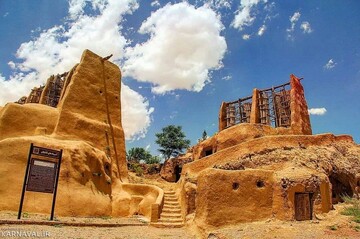
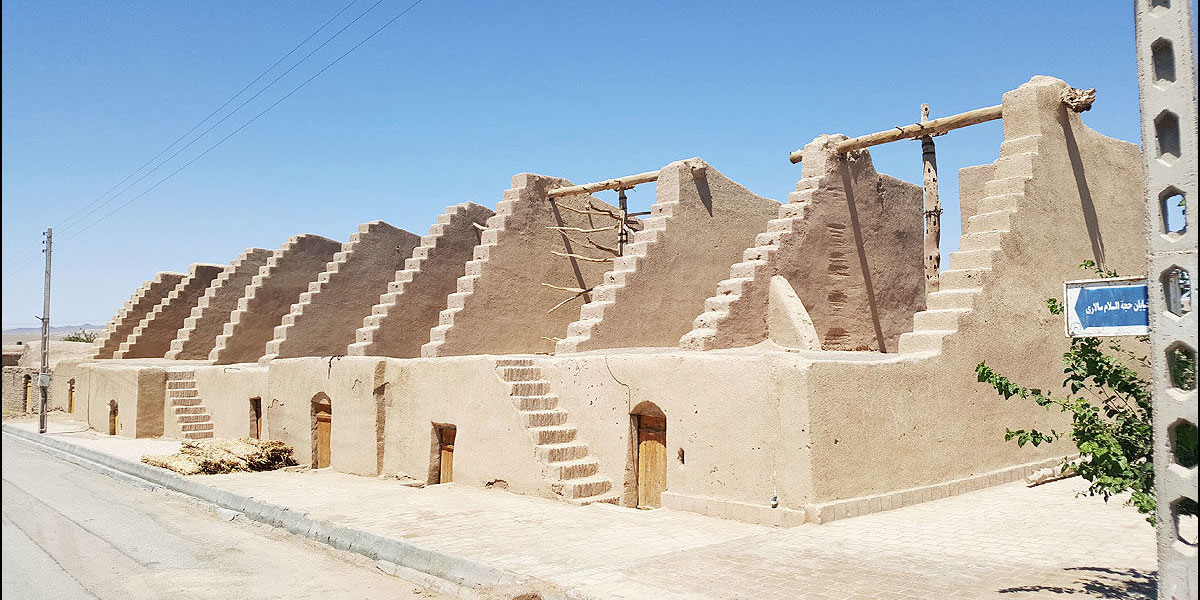
آسبادهای نشتیفان (آسیاب های بادی نشتیفان)، عنوان اولین کارخانه دنیا را یدک می کشد. این مجموعه، اولین مرکز در ایران است که در آن امکان استفاده از انرژی باد بر روی خشکی مهیا شده است. این آسیاب های بادی در خواف، استان خراسان رضوی واقع شدهاند. این آسبادها به دلیل قدمت تاریخی (از دوره ساسانی) و طراحی منحصربهفرد مورد توجه بسیاری از مورخین قرار گرفته اند، و در دوره صفویه احیا شده اند. آسبادهای نشتیفان، در سال ۱۳۸۱ به شماره ۷۴۹۰ به ثبت ملی رسیده است.
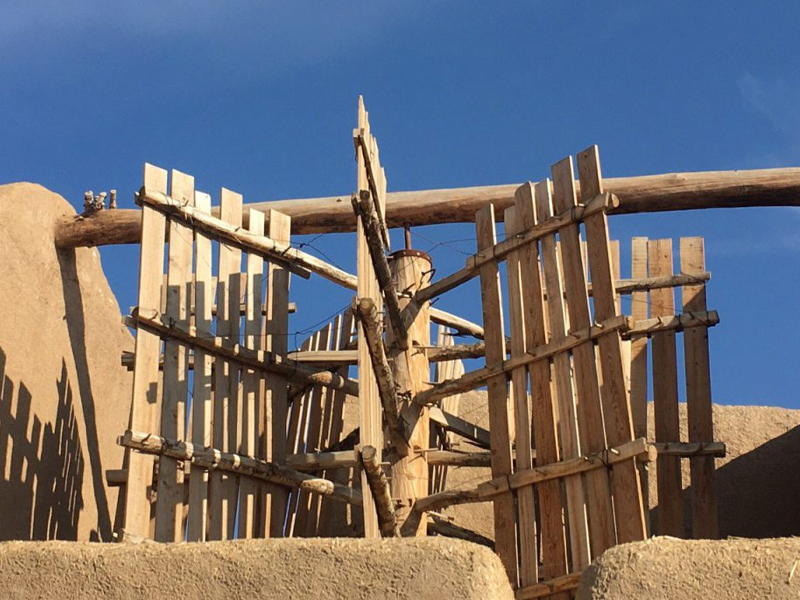
برای بازدید از آسبادهای نشتیفان خواف، که پیوند میان انسان و طبیعت را در قامت اسرارآمیزشان انعکاس میدهند، رهسپار نشتیفان دیار آسبادها میشویم تا شاهکار معمای کویر را به تماشا بنشینیم. اگر میخواهید با آسیاب های بادی نشتیفان بیشتر آشنا شوید، با ما همسفر باشید تا آسبادهای خواف را به شما معرفی کنیم.
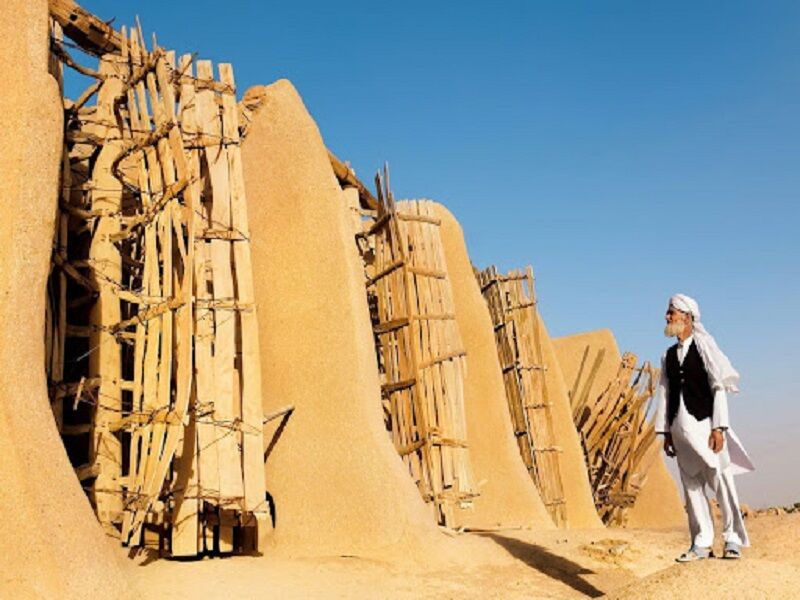
این آسیابهای بادی، میراثی هزارساله، با پرههایی عظیم از چوب و نی، روزگاری انتخاب هوشمند مکان، بهرهبرداری چندمنظوره، و مشارکت جوامع محلی را در پی داشته است. در آن زمان، این آسیاب های بادی با کمک انرژی های تجدید پذیر امروزی، منبع حیات و رونق مردم این خطه بودند. آنها با قدرت و نیروی باد، گندم ها را آسیاب میکردند.
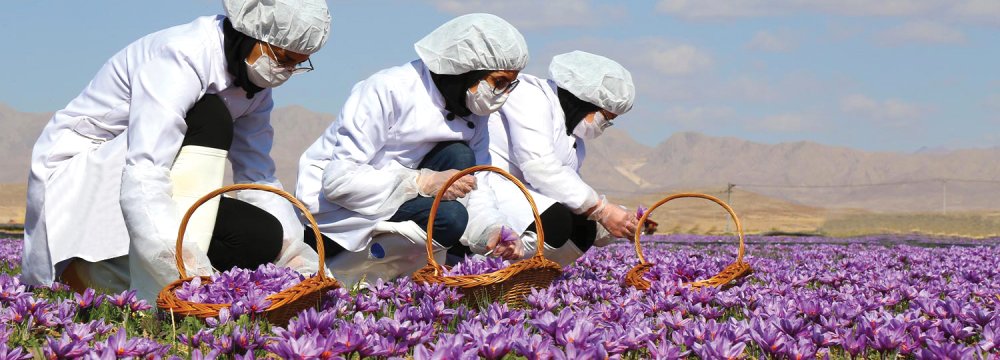
این بناهای تاریخی برای استفاده از نیروی باد در مناطقی از خواف ساخته شده اند که کاشت زعفران بعنوان یک گیاه دارویی و صنعتی نقش کلیدی داشته است. تامین انرژی نیز با کمک بادهای 120 روزه توسط همین آسبادها صورت میگرفته است. با رویت این آسبادها در کنار زمین های زیر کشت زعفران، مشاهده میکنیم تاریخ در آنها زنده است. همچنین، پی میبریم که اگر این اصول باستانی استفاده از انرژی بادی در سراسر ایران به کار گرفته شود، نه تنها امنیت انرژی کشور تضمین میشود، بلکه نسلهای آینده نیز از هوایی پاکتر، منابع پایدارتر و اقتصادی مقاومتر برخوردار خواهند بود.
قديمي ترين روش استفاده از انرژي بادي به ايران باستان بازمي گردد . ايرانيان باستان توانستند با استفاده از نيروي باد، دلو (دولاب) يا چرخ چاه را به گردش درآورند، گندم ها را آسیاب کنند و در فرآیند تولید برق هیچ گونه دی اکسید کربن، یا گاز گلخانه ای دیگری منتشر نکنند.
___________________________
To secure its energy future, Iran needs to seriously develop nuclear and wind energy. These two sources can complement each other; nuclear energy is a reliable and sustainable source of electricity for large-scale production, and wind energy is a clean, cheap, and widespread source in areas with strong and constant winds.
Nashtifan Windmills-Khaf
Nashtifan Windmills (Nashtifan Windmills) claim the title of the world’s first factory. This complex is the first center in Iran where the possibility of using wind energy on land is provided. These windmills are located in Khaf, Khorasan Razavi Province. These windmills have attracted the attention of many historians due to their historical antiquity (from the Sassanid period) and unique design, and were revived during the Safavid period. Nashtifan Windmills were registered in the National Register in 2002 under the number 7490.
Nashtifan Windmills - Close-up
To visit the Nashtifan Windmills of Khaf, which reflect the connection between man and nature in their mysterious form, we will travel to Nashtifan, the land of windmills, to watch the masterpiece of the desert mystery. If you want to learn more about the Nashtifan Windmills, join us as we introduce you to the Khaf Windmills.
Nashtifan Windmills from the War of Brick, Clay, and Wood
These windmills, a thousand-year-old heritage, with huge blades of wood and reed, once resulted from intelligent site selection, multipurpose use, and participation of local communities. At that time, these windmills, with the help of today's renewable energies, were the source of life and prosperity for the people of this region. They ground wheat with the power and force of the wind.
Saffron Farm [Click and drag to move]
These historical buildings were built to harness wind power in areas of Khaf where saffron cultivation played a key role as a medicinal and industrial plant. Energy was also provided by these wind turbines with the help of 120-day winds. Seeing these wind turbines next to the fields under saffron cultivation, we see that history is alive in them. We also realize that if these ancient principles of using wind energy are applied throughout Iran, not only will the country's energy security be guaranteed, but future generations will also enjoy cleaner air, more sustainable resources, and a more resilient economy.
Nashtifan Wind Turbines - Iranian Civilization [Click and drag to move]
The oldest method of using wind energy dates back to ancient Iran. Ancient Iranians were able to use wind power to turn a waterwheel or well wheel, grind wheat, and not emit any carbon dioxide or other greenhouse gases in the process of generating electricity.