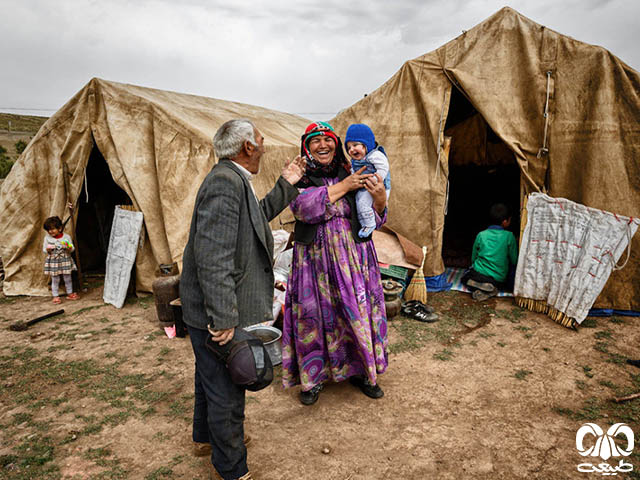
سفری در میان قوام و عشایر آسیایی
یک کارت آمده دستم که قدر یک بند انگشته. رویش چیزی هم نیست به جز یک کلمه که مثل این مهرهای قدیمی خورده: «پارک بانوان». نه بیشتر و نه کمتر، در یک کادر کوچک. آن را که گرفتم دیدم دهلران پارکی دارد به نام پارک لاله که یک مکان آن را در نزدیکی کتابخانه به نام پارک بانوان معرفی کرده اند. در سفری که به آنجا داشتم تا خود شب متوجه یخبندان آن نشدم، چشمه های آبگرم دارد و در طول روز ممکن است نیاز به پوشش سرد نباشد، ولی یخ بندان درست از ساعات ابتدایی شب آغاز میشود و تا حدی است که عبور مرور وسایل نقلیه را مختل میکند. آب و هوای غالب کوهستانی را در نزدیکی آن به غارهای بزرگ و طاق بستان معروف هم کمی بالاتر پیدا میکنیم و متوجه اثر کوهستانی میشویم. حتما پیشنهاد میکنم یک سفر چند روزه طبیعت گردی دهلران تا کرمانشاه و همدان معروف ایران داشته باشید. در میان این کوه ها از معرفی رودخانه دویرج هم نباید غفلت کرد. حتما یک سری هم به آنجا بزنید.
میزورام و دهلران
در یک بررسی روی نقشه، بیشترین شباهت را در آب و هوای سرد کوهستانی میزورام با سرد کوهستانی دهلران ایلام یافتم، جایی که با گرمای روز انتظار داریم شب گرم باشد، ولی آب و هوای سرد غلبه دارد.
منطقه کوهستانی دهلران ارتفاع ۱۴۰۰ متر از سطح دریا دارد که نزدیک به ارتفاع مرکز میزورام با ارتفاع ۱۱۰۰ متر است.
پوشش لباس مشابه دهلران
به بررسی بیشتر مردم این ایالت در هندوستان پرداختم و شباهت هایی در پوشش برخی اقوام این منطقه با پوشش لباس مردم دهلران در جنوب غربی ایران یافتم. شاید دلیل آن را باید در قدمت مردم آن منطقه به دوران قبل از میلاد مسیح باید یافت. همانطور که چغازنبیل در نزدیکی ایلام و جایی در شوشتر آن را نشان میدهد.
میزوها که بومی شمال شرقی هند هستند متشکل از هندیها، چینیها و میانماریها هستند.
در ایالت میزوها یکپارچگی بیشتری نسبت به هرجای دیگر در هند حس میشود و تنوع ادیان خیلی زیاد نیست. در واقع گفته میشود بیش از 90 درصد میزوها پیرو مسیحیت هستند و خبری از هزاران خدایان هندو نیست. مانند مردم عشایر ایران شامل بختیاری های مسلمان ایران دختران مجرد از مادرانشان میآموزند و مردان مجرد هم بر اساس یک رسم بومی مدتی را کنار هم در یک خانه زندگی میکنند تا بیاموزند چگونه برای منافع جامعه از خود فداکاری نشلن دهند. به همین جهت ایالت میزورام به یکی از امنترین نقاط هند برای گردشگری تبدیل شده است.
برای یافتن شباهت بیشتری به شغل پیشین مردم میزورام با عشایر ایران تصمیم گرفتم در مقاله ای جدا به آن بپردازم.
عشایر آسیا نام عمومی شامل گروههای قومی متنوعی است که در مناطق استپ قزاقستان قرقیزستان، تاجیکستان، ترکمنستان، ازبکستان، اویغورستان، مغولستان، ایران، و روسیه یافت میشود. انتظار داشتم چهره عشایر ایرانی را در بخش های شمال شرقی هند، جایی که مغولها نیز قبلاً از طریق تبت و کوه های سرد کوهستانی هیمالیا بدان راه یافته بودند، بیابم. با این حال، هر قدر در چهره های مردم میزورام جستجو کردم، چیزی بیشتر از یافتن شباهت چهره مردم میزورام با چینی ها نیافتم. این نکته جالب است که اگر نتوانم به میانمار در آن نزدیکی سفر کنم، میتوانم سفری به میزورام هند با یک ویزای ۵ ساله داشته باشم.
میانمار برای من یادآور کشتار فجیع زنان و کودکان خردسال و یا نمایش صدها جسد سوخته در محوطه یک مدرسه و صحنهها و تصاویری از این قبیل است. تصاویری از جنایت بشری و نسل کشی مسلمانان روهینگیا در کشور میانمار در رسانه ها منتشر می شود، که دل هر انسانی را به درد می آورد. کاش راهی به میزورام داشت و مسلمانان آزار دیده میتوانستند به این سرزمین آرام سر بزنند.
در ادامه برای آشنایی بیشتر با زندگی عشایری در ایران تاریخچه کوتاهی از آن را آورده ام:
تاریخچه زندگی کوچنشینی در ایران
با پایان عصر پارینه سنگی و سپس میان سنگی که در آن تأمین معاش انسان بر اساس گردآوری غذا و شکارورزی قرار داشت، عصر نوسنگی که مرحله انقلاب تولید غذا و شکلگیری جوامع ابتدایی و روستاها میباشد، شروع شد.
در این دوره با افزایش تعداد نفرات جوامع انسانی و کاهش منابع غذایی، بشر ناگزیر گردید تا با گذار از مرحله گردآوری غذا و شکارورزی، شیوههای معیشتی جدیدی را در پیش بگیرد و با رام کردن حیوانات وحشی به تولید غذا بپردازد. پرورش دام در این دوره موجب به وجود آمدن جوامع کوچک اولیه دامدار گردید و وابستگی همیشگی دامها به چراگاه و همچنین فصلی بودن چراگاهها با توجه به شرایط آب و هوایی، شکلگیری اولین جوامع دامدار کوچنشین را در پی داشته است.
عشایر در زیست امروز
کار اصلی عشایر تولید گوشت قرمز و محصولات لبنی روغن حیوانی پشم پوست کرک است. عشایر ۴ درصد جمعیت استان ها را تشکیل میدهند، که سهم اندکی ازنظر سرانه استان دارند، ولی بیش از ۳۰ درصد محصولات پروتئینی استان را تأمین میکنند. صادرات مستقیم در جامعه عشایری نداریم، اما محصولات فرآوری شده صادر میشود.
__________________
I received a card the size of a knuckle. There is nothing on it except a word that looks like an old stamp: "Women's Park." No more, no less, in a small box. When I got it, I saw that Dehloran has a park called Laleh Park, which is introduced as a place near the library called Women's Park. On my trip there, I didn't notice its freezing until the evening itself. It has hot springs and during the day you may not need to wear cold clothes, but the freezing starts right at the early hours of the night and is to the extent that it disrupts the passage of vehicles. We find the prevailing mountainous climate near the large caves and the famous Taq Bostan a little higher and we notice the mountainous effect. I definitely recommend that you take a few days of nature tourism from Dehloran to Kermanshah and Hamedan, the famous city of Iran. Among these mountains, we should not neglect to introduce the Doviraj River. Be sure to visit there.
Mizoram and Dehloran
In a survey on the map, I found the most similarity in the cold mountainous climate of Mizoram with the cold mountainous climate of Dehloran Ilam, where with the heat of the day we expect the night to be warm, but the cold climate prevails.
The mountainous region of Dehloran has an altitude of 1400 meters above sea level, which is close to the height of the center of Mizoram at an altitude of 1100 meters.
Clothing similar to Dehloran
I studied the people of this state in India further and found similarities in the clothing of some tribes of this region with the clothing of the people of Dehloran in southwestern Iran. Perhaps the reason for this should be found in the antiquity of the people of that region to the era before Christ. As Chogha Zanbil near Ilam and somewhere in Shushtar shows.
The Mizos, who are native to northeastern India, are made up of Indians, Chinese and Myanmarese.
In the Mizo state, there is more unity than anywhere else in India and the diversity of religions is not very great. In fact, it is said that more than 90% of the Mizos are Christians and there is no mention of thousands of Hindu gods. Like the nomadic people of Iran, including the Muslim Bakhtiaris of Iran, unmarried girls learn from their mothers and unmarried men live together in one house for a while according to a local custom to learn how to sacrifice themselves for the benefit of the community. That is why the state of Mizoram has become one of the safest places in India for tourism.
To find more similarities in the former occupation of the people of Mizoram with the nomads of Iran, I decided to cover it in a separate article.
Asian nomads are a general name for various ethnic groups found in the steppe regions of Kazakhstan, Kyrgyzstan, Tajikistan, Turkmenistan, Uzbekistan, Uyghuristan, Mongolia, Iran, and Russia. I expected to find the face of Iranian nomads in the northeastern parts of India, where the Mongols had also previously made their way through Tibet and the cold mountains of the Himalayas. However, no matter how much I searched the faces of the people of Mizoram, I could not find anything more than the similarity of the faces of the people of Mizoram with the Chinese. It is interesting that if I cannot travel to Myanmar nearby, I can have a trip to Mizoram, India with a 5-year visa.
Myanmar reminds me of the brutal killing of women and young children or the display of hundreds of burnt bodies in the premises of a school and scenes and images like this. Images of human crimes and genocide of Rohingya Muslims in Myanmar are published in the media, which hurts the heart of every human being. I wish there was a road to Mizoram and the persecuted Muslims could visit this peaceful land.
In the following, I have provided a brief history of nomadic life in Iran to help you get to know more about it:
History of Nomadic Life in Iran
With the end of the Paleolithic and then the Mesolithic eras, in which human livelihoods were based on food gathering and hunting, the Neolithic era, which is the stage of the food production revolution and the formation of primitive societies and villages, began.
In this period, with the increase in the number of people in human societies and the decrease in food resources, humans were forced to adopt new livelihood methods by transitioning from the stage of food gathering and hunting and to produce food by taming wild animals. Livestock breeding during this period led to the emergence of small, early pastoralist communities, and the constant dependence of livestock on pastures and the seasonality of pastures according to weather conditions led to the formation of the first nomadic pastoralist communities.
Nomads in Today's Life
The main work of nomads is the production of red meat and dairy products, animal fat, wool, fur, and skin. Nomads constitute 4% of the provinces' population, which is a small share per capita of the province, but they provide more than 30% of the province's protein products. We do not have direct exports in the nomadic community, but processed products are exported.