آشپزخانه جهانی تایلند
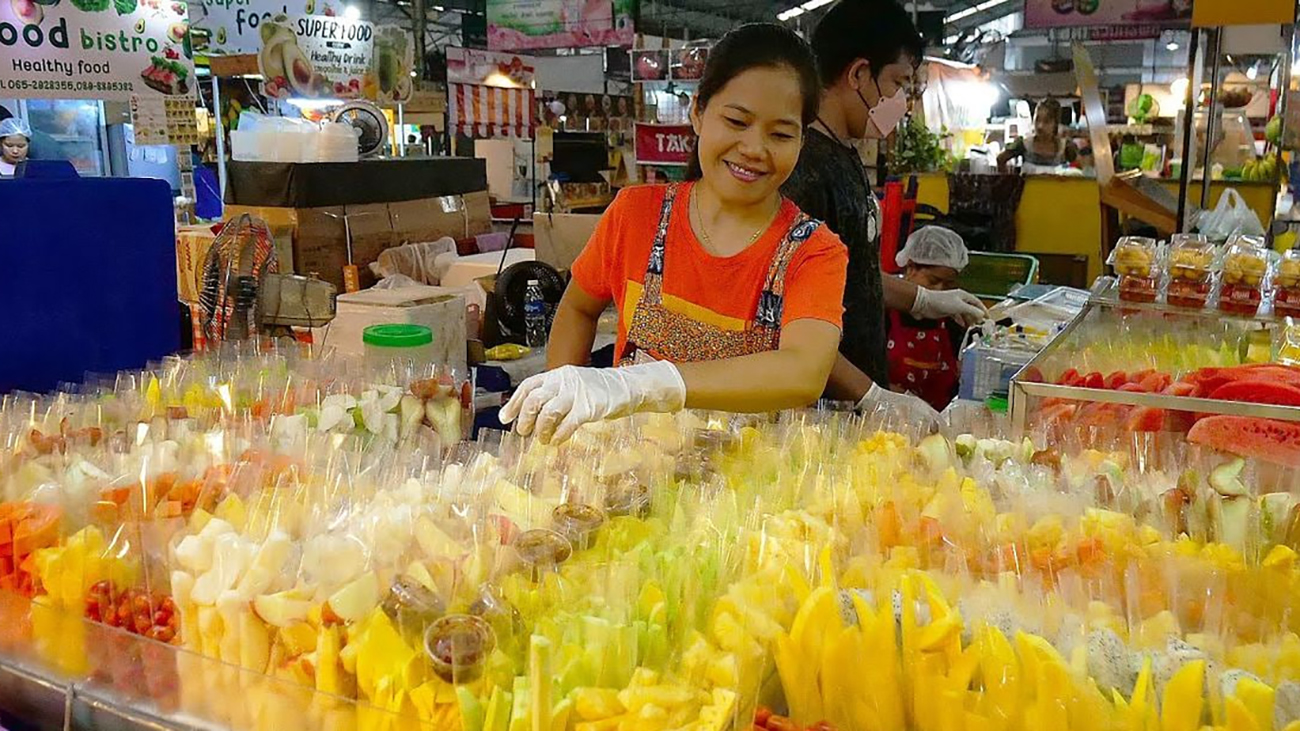
با دیدن تصاویر مهارت برش میوه در خیابان های تایلند توجهم به این کشور بیشتر جلب شد، آما چه چیز باعث میشود که حتی انفجار تونل متروی در حال احداث در یکی از خیابان های بانکوک نتواند من را از بررسی بیشتر در این زمینه منصرف کند؟
سیاست آشپزخانه جهانی تایلند: خوشمزه و سودآور
تایلندی ها، هم در بین مسلمانان آنها با غذای حلال و هم در بین سایر جوامع به یک نکته اشاره میکنند: اینکه چیزی به اسم مطبخ ندارند و غذایشان را در بالکن و تراس ها میپزند.
با عبور از یک مغازه کوچک پر از طعم تایلندی، چای شیر تایلندی دم کرده با دست، کیک شیرین تهیه شده از برگ پاندان تازه شما را به این سوق میدهد که غذای تایلندی به دنبال یافتن جایگاه خود در عرصه بین المللی است.
یافتن قصد بزرگ دولت تایلند در این بین کاری ساده است.
دیپلماسی غذایی بزرگ تایلند در سال 2001
از اواخر دهه 1990 و آغاز قرن 21، دولت تایلند تلاش کرده است تا با ترویج آشپزی تایلندی در سطح بینالمللی، نقش خود را به عنوان یک قدرت فرهنگی نرم معرفی کند. دولت تایلند یک سیاست خارجی غذایی تحت عنوان برنامه آشپزخانه جهانی راه اندازی کرد. با اعتقاد به اینکه هر رستوران تایلندی در خارج از کشور سفارت فرهنگی غیر رسمی تایلندی است، از آموزش سرآشپز، وام ها و کمک های تبلیغاتی گرفته تا صیقل دادن برند غذای تایلندی و تقویت اقتصاد کشاورزی، کار خود را آغاز کرد. پس از گذشت بیش از بیست سال، او نتایج برجسته ای به دست آورده است:
1- تامین کننده جهانی آناناس، دوریان، کاساوا، کنسرو ماهی تن: شماره یک (وزارت امور خارجه تایلند، 2024)
2- صادر کننده شکر: دومین صادر کننده بزرگ (وزارت امور خارجه تایلند، 2024)
3- صادر کننده برنج: سوم (وزارت امور خارجه تایلند، 2024)
4- 100 غذای برتر جهانی: شماره 17 (TasteAtlas, 2023)
5- رستوران های تایلندی در جهان: حدود 17500 (دولت تایلند، 2023/10)
تاریخچه
در دوران جنگ جهانی دوم، کمبود برنج در تایلند دولت را مجبور به یافتن جایگزین غذایی کرد. نخستوزیر وقت، برای کاهش مصرف برنج و ایجاد حس ملیگرایی، غذایی جدید را بهعنوان غذای ملی معرفی کرد
آشپزخانه تایلندی، با تنوع طعمها و مواد اولیه منحصربهفرد خود، توانسته است توجه جهانیان را جلب کند. غذاهایی مانند پد تای، تام یام گونگ، ماسامان کاری و پاد کای تنها نمونههایی از غذاهای لذیذ تایلندی هستند که در سراسر جهان شهرت دارند و به عنوان نمادهایی از فرهنگ تایلند شناخته میشوند. علاوه بر این، جشنوارههای غذا در تایلند، برنامههای تلویزیونی آشپزی، و فعالیتهای تبلیغاتی مانند «خوردن غذاهای تایلندی، تجربهای فرهنگی» به تایلند کمک کردهاند تا جایگاه خود را در دنیای جهانی فرهنگ و غذا تثبیت کند. از اواخر دهه 1990 و آغاز قرن 21، دولت تایلند تلاش کرده است تا با ترویج آشپزی تایلندی در سطح بینالمللی، نقش خود را به عنوان یک قدرت فرهنگی و اقتصادی افزایش دهد. این تلاشها نه تنها باعث محبوبیت بیشتر غذاهای تایلندی شده، بلکه ارتباط فرهنگی و تجاری میان تایلند و سایر کشورهای جهان را نیز تقویت کرده است. تایلند حتی از این موقعیت برای معرفی محصولات محلی خود مانند ادویهها، میوهها و سبزیجات استفاده کرده است و در نتیجه گردشگری و صادرات این محصولات نیز رونق یافته است.
برنج یکی از اصلیترین منابع غذایی مردم تایلند است، اما در این زمان دولت تایلند به دلایل مختلف از جمله صادرات بیش از حد برنج، با کمبود آن روبرو شد.برای مقابله با این بحران، دولت تصمیم گرفت مصرف نودلهای برنجی (که در واقع از آرد برنج تهیه میشد) را جایگزین مصرف برنج در رژیم غذایی مردم کند. به این ترتیب، در اوایل دهه 1940، نودلهای برنجی در آشپزی تایلند محبوبیت یافتند و در بسیاری از غذاها به کار رفتند.در سال 1947، پرایس لی کیو، نخستوزیر تایلند، با هدف تقویت هویت ملی تایلند و همزمان ایجاد یک گزینه ارزانتر برای مردم، اقدام به ترویج غذایی به نام "پد تای" کرد. این دستورالعمل بخشی از سیاستهای دولت برای حمایت از تولید داخلی و تشویق مردم به مصرف بیشتر نودلهای برنجی بود. دولت همچنین با ترویج پد تای به عنوان یک غذای ارزان، مغذی و خوشمزه، به کاهش وابستگی به برنج کمک کرد. این غذا به سرعت در میان مردم تایلند جایگاه خاصی پیدا کرد.
پس از جنگ جهانی دوم و در طول دهههای 1960 و 1970، با رونق گردشگری و جهانی شدن، پد تای به یکی از غذاهای شناختهشده تایلندی تبدیل شد که حتی در بسیاری از رستورانها و غذاخوریهای بینالمللی سرو میشود.در حال حاضر، پد تای یکی از پرطرفدارترین غذاهای تایلندی در خارج از تایلند است و در رستورانهای تایلندی در سراسر جهان میتوان آن را یافت. همچنین، این غذا به راحتی در خانهها نیز تهیه میشود و انواع مختلف آن بسته به ذائقه و مواد موجود قابل تهیه است.در دنیای مدرن، نسخههای مختلفی از پد تای با تغییراتی در مواد و طرز تهیه آن به وجود آمده است. بسیاری از افراد ترجیح میدهند تا از مواد سالمتر یا مناسبتر برای رژیمهای غذایی خاص استفاده کنند. برای مثال، برخی افراد برای تهیه پد تای از نودلهای سبزیجات، برنج قهوهای یا توفو به جای گوشت استفاده میکنند. همچنین، برخی از نسخههای پد تای به جای سس ماهی از سسهای گیاهی یا جایگزینهای شور دیگر استفاده میکنند.این نسخههای مدرن، همچنین شامل حذف برخی از مواد اصلی مانند تخممرغ برای رژیمهای گیاهی یا تغییر در پروتئینها برای افراد گیاهخوار میشود.
_________________
Seeing pictures of fruit-cutting skills on the streets of Thailand has drawn my attention, but what makes it so that even the explosion of a subway tunnel under construction on a Bangkok street can’t stop me from investigating this topic further?
Thailand’s global kitchen policy: delicious and profitable
The Thais, both among their halal-eating Muslims and among other communities, point to one thing: they have no kitchens and cook their food on balconies and terraces.
Passing a small shop full of Thai flavors, hand-brewed Thai milk tea, and sweet cakes made from fresh pandan leaves, you’ll realize that Thai food is trying to find its place on the international stage.
Finding the Thai government’s grand intention in the midst of this is easy.
Thailand’s grand food diplomacy in 2001
Since the late 1990s and early 21st century, the Thai government has tried to establish its role as a soft cultural power by promoting Thai cuisine internationally. The Thai government launched a foreign food policy called the World Kitchen Program. Believing that every Thai restaurant abroad is an unofficial Thai cultural embassy, it began its work by training chefs, providing loans and advertising assistance, polishing the Thai food brand, and strengthening the agricultural economy. After more than twenty years, it has achieved outstanding results:
1- Global supplier of pineapple, durian, cassava, canned tuna: number one (Thai Ministry of Foreign Affairs, 2024)
2- Sugar exporter: second largest exporter (Thai Ministry of Foreign Affairs, 2024)
3- Rice exporter: third (Thai Ministry of Foreign Affairs, 2024)
4- Top 100 World Foods: number 17 (TasteAtlas, 2023)
5- Thai restaurants in the world: about 17,500 (Thai Government, 2023/10)
History
During World War II, rice shortages in Thailand forced the government to find food alternatives. The then Prime Minister introduced a new dish as the national dish to reduce rice consumption and create a sense of nationalism. Thai cuisine, with its unique variety of flavors and ingredients, has captured the attention of the world. Dishes such as Pad Thai, Tom Yum Goong, Massaman Curry, and Pad Kai are just a few examples of Thai delicacies that are famous around the world and are recognized as symbols of Thai culture. In addition, food festivals in Thailand, cooking television shows, and promotional activities such as “Eating Thai Food, a Cultural Experience” have helped Thailand establish its place in the global food and culture world. Since the late 1990s and the beginning of the 21st century, the Thai government has sought to enhance its role as a cultural and economic power by promoting Thai cuisine internationally. These efforts have not only made Thai cuisine more popular, but also strengthened cultural and trade ties between Thailand and the rest of the world. Thailand has even used this opportunity to introduce its local products such as spices, fruits and vegetables, and as a result, tourism and exports of these products have also flourished.
Rice is one of the main sources of food for the Thai people, but at this time the Thai government was facing a shortage of rice for various reasons, including excessive rice exports. To deal with this crisis, the government decided to replace rice consumption in the people's diet with rice noodles (which were actually made from rice flour). Thus, in the early 1940s, rice noodles became popular in Thai cuisine and were used in many dishes. In 1947, Thai Prime Minister Price Lee Kew promoted a dish called "Pad Thai" with the aim of strengthening Thai national identity while providing a cheaper option for the people. This directive was part of the government's policies to support domestic production and encourage people to consume more rice noodles. The government also helped reduce dependence on rice by promoting pad Thai as a cheap, nutritious, and delicious food. The dish quickly gained a special place among the Thai people. After World War II and during the 1960s and 1970s, with the boom in tourism and globalization, pad Thai became one of the most well-known Thai dishes, even being served in many international restaurants and eateries. Pad Thai is now one of the most popular Thai dishes outside of Thailand and can be found in Thai restaurants around the world. It is also easy to prepare at home, and many variations can be made depending on taste and available ingredients. In the modern world, many versions of pad Thai have emerged with variations in ingredients and cooking methods. Many people prefer to use healthier ingredients or those that are more suitable for certain diets. For example, some people use vegetable noodles, brown rice, or tofu instead of meat to make Pad Thai. Also, some versions of Pad Thai use vegetable sauces or other salty substitutes instead of fish sauce. These modern versions also include removing some of the main ingredients, such as eggs for vegetarian diets, or changing the proteins for vegetarians.