تسخیر بازار آبمیوه
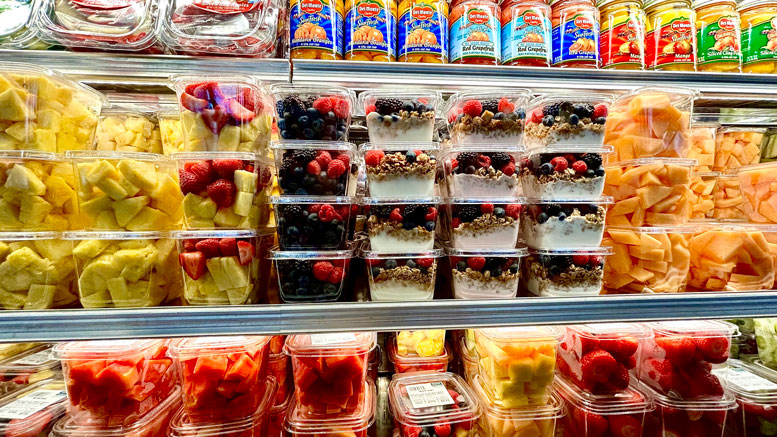
کشور تایلند با در اختیار داشتن ۲۶ درصد جایگاه اول جدول صادر کنندگان آبمیوه به ایران را دارد.پس از آن برزیل و اسپانیا به ترتیب با ۱۴ و ۱۰ درصد آبمیوه به ایران صادر می کنند.
نکته اینجاست:
این ارقام مال سال ۹۶ بوده.
سال ۹۶ سهم ایران از آبمیوه نزدیک 60 درصد بوده، الان چقدره؟
سال ۹۶ واردات آبمیوه حدود چهل و چهار درصد اعلام شده و الان پنجاه درصد.
آیا این آمار قابل اتکاست؟ خیر
چراکه همان که این آمار را منتشر میکند با بیان اثر تغییرات اقلیم، اشاره به خوش بینانه بودن آمارش دارد.
آمار درستی اعلام نشده، ولی در جایی مثل شمال شرق کشور به شدت در مورد باغ های سیب موضع دارند که نباشد. ضمن اینکه رزسانان شامل آلبالو و گیلاس در وهله اول و سپس درختان سیب هنگام کم آبی و افزایش دما قبل از خشک شدن با گرمای هوا توسط آفتهایی مثل کرم ساقه خوار خشک میشوند و باغات کشور در این زمینه بشدت آسیب پذیرند.
در حال حاضر، اخباری از میزان خشکی درختان منتشر نشده است، ولی با یک گشت میدانی در بازار و در میان باغاتی که دیگر اسمی از آنها برده نمیشود، میتوان پی به این آسیب برد
بازار آبمیوه در اختیار واردات
از انرژی زا گرفته تا آبمیوه های تکی بخش اعظم آبمیوه های یخچالی در اختیار بازار خارجی است.
این در حالیست که زمانی، دهه هفتاد کارخانه های متعدد کمپوت و کنسرو های مختلف آبمیوه در مغازه ها و حتی میوه فروشی ها داشتیم
چند سالی است که برندهای داخلی برای حفظ موقعیت خود در بازار متمایل به توزیع چای و دمنوش شده اند که گیاهان علفی هستند و زودبازده و کمتز درختان دسته رزسانان اسیب پذیرند.
در این میان، سهم تولیدات داخلی میوه های تازه در دسته رزسانان کاهش یافته و بی صدا جای خود را به کشورهای خارجی میدهد.
خبری از ارزش افزوده بازار برش میوه نیست
بازار برش میوه محدود به چند مغازه آبمیوه فروشی جای پر تردد و گردشگری میشه که جای همان را هم به راحتی کافه میگیرد. قهوه ای که خود نیز ، کاملا وارداتی است.
شرایط پیش رو به سمت تهدید
در حالی بازار سرو آبمیوه و برش میوه را از دست میدهیم که چند سالی میشود بازاریاب خارجی نوشیدنی با سفر و پروازهای مستقیم در حال بازاریابی به سمت تغییر ذائقه حداکثری با مشروبات الکلی هستند. ارائه انواع برند در ابعاد شبه الکلی و الکلی توسط بازاریابان مشهود است و در اینجا از ذکر نام آنها خودداری میکنیم.
نفوذ فرهنگی تصاعدی
دیرزمانی نیست که بازار فرهنگ کشور دوباره (پس از دوران پهلوی) در اختیار حداکثری بازار اسپانسری غربی قرار گرفته است. کتابهای اسپانسری که از دیرباز تجارت خارجی کشورهای بیگانه بر پایه سرو مشروب را توسعه میداده اند، فقط بخشی از آنچه هست که در کشور مشاهده میشود.
بخش دیگر مربوط به پخش سریال های خارجی است که بیش از دو دهه است که از طریق ماهواره و اینترنت میزبان خانواده ها شده است. حتی اگر خانواده در تلاش باشد که فرهنگ شرقی را با مشاهده فیلم های ژاپنی، کره ای و ترکی در میان خود داشته باشد، با مشاهده وضعیت فعلی این کشورها میتوان دریافت که خود کشورهای شرقی مثل چین، ژاپن و کره نیز مورد هجمه فرهنگی غرب اند. و با این سطح از هجمه معلوم می شود که اکنون حفظ فرهنگ اسلامی چه کار دشواریست.
__________________
Added Value of the Fruit Slice Market
Thailand is the top exporter of fruit juice to Iran with 26 percent. Brazil and Spain are the next to export 14 and 10 percent of fruit juice to Iran, respectively.
Here's the thing:
These figures were from 2017.
In 2017, Iran's share of fruit juice was close to 60 percent, what is it now?
In 2017, fruit juice imports were announced at about 44 percent, and now it is 50 percent.
Is this statistic reliable? No
Because the person who publishes this statistic is referring to the optimistic nature of his statistic by stating the effect of climate change.
The exact statistic has not been announced, but in a place like the northeast of the country, they have a strong stance on apple orchards, which is not true. Meanwhile, rose trees, including cherries and cherries in the first place, and then apple trees, are dried by pests such as stem borers during water shortages and rising temperatures before drying out with the heat, and the country's orchards are extremely vulnerable in this regard.
Currently, there is no news about the extent of tree drying, but with a field tour in the market and among the orchards that are no longer mentioned, this damage can be detected.
The juice market is in the hands of imports
From energy drinks to single juices, most of the refrigerated juices are in the hands of the foreign market.
This is while, in the seventies, we had numerous compote and canned fruit juice factories in shops and even fruit stores.
For several years, domestic brands have been inclined to distribute tea and herbal teas to maintain their position in the market, which are herbaceous plants and are susceptible to early-yielding and short-lived trees in the rose tree category.
Meanwhile, the share of domestic fresh fruit production in the rose category has decreased and is quietly giving way to foreign countries.
There is no added value in the fruit-cutting market
The fruit-cutting market is limited to a few juice shops in busy and touristy places, which are easily replaced by cafes. Coffee itself is also completely imported.
The situation ahead is threatening
While we are losing the fruit-cutting and fruit-cutting market, foreign beverage marketers have been marketing towards changing tastes to the maximum with alcoholic beverages for several years with travel and direct flights. The presentation of various brands in quasi-alcoholic and alcoholic dimensions by marketers is evident, and we will refrain from mentioning their names here.
Progressive cultural influence
It is not long ago that the country's cultural market has again (after the Pahlavi era) been in the hands of the maximum of the Western sponsorship market. Sponsored books that have long developed the foreign trade of foreign countries based on serving alcohol are only a part of what is observed in the country.
The other part is related to the broadcasting of foreign series, which has been hosted by families for more than two decades via satellite and the Internet. Even if the family is trying to have Eastern culture among them by watching Japanese, Korean and Turkish films, by observing the current situation of these countries, it can be seen that Eastern countries such as China, Japan and Korea are also under Western cultural attack. And with this level of attack, it becomes clear how difficult it is to preserve Islamic culture now.