گفتار نیک، پندار نیک کردار نیک
چند وقت پیش دنبال قیمت گلدوزی زربافت روی مخمل تو اینترنت میگشتم. در سایتهای ایرانی برای این صنایع دستی قیمتی نیافتم و با کمال تعجب در سایت بزرگ خرده فروشی چینی آن را یافتم که یک کشمیری گذاشته بود. عکس از مغازه هم گذاشته بود که نشان میداد جایی در هندوستان هست.
روی نقشه نگاه کردم و دیدم کشمیر منطقه ای است درست وسط هند، پاکستان و چین که نتوانسته به درستی مرز مشخصی بگیرد. با خودم فکر کردم که چه چیز باعث میشود مثلا دنبال کانجی های چینی در زبان مردم کشمیری بگردی، ولی کشمیر را بیشتر ایرانی بیابی، تا چینی! چین با وسعت و جامعه آماری بسیار، با وجودی که هم مرز با کشمیر است؟
نگاه کردم، دلایل مختلف دارد و مهم ترین آنها ریشه های باستانی ایرانیان در منطقه است. پهنه ایران باستان، تا تاجیکستان و مرزهای نپال و بنگلادش از سمت شرق، و تا شامات و عربستان در سمت غرب وسعت داشته است. زبان آن دوران، اوستایی بوده است که امروز نام شهرها و ایالات مختلف را با آن بیان میکنند: کشمیر (کاشمر)، دروازه کاشمر نزدیک دهلی نو، و اوریسا. با پیروزی حزب کمونیست در دهه پنجاه میلادی، مردم دین دار چین به چند نقطه خارج ازچین گریختند که یکی از آنها کره شمالی بوده است. برخی دیگر، مردمی بودند که به کشمیر میگریزند.
آنها ابتدا با استقبال گرم هند مواجه شدند، اما بعدها با فشار پکن، برخی از آنها از جمله عیسی یوسف آلپتکین – سیاستمدار معروف اویغور- مجبور شدند هند را ترک کنند. ابتدا به مصر و عربستان درخواست پناهندگی دادند که آنها قبول نکردند ولی در نهایت به ترکیه رفتند.
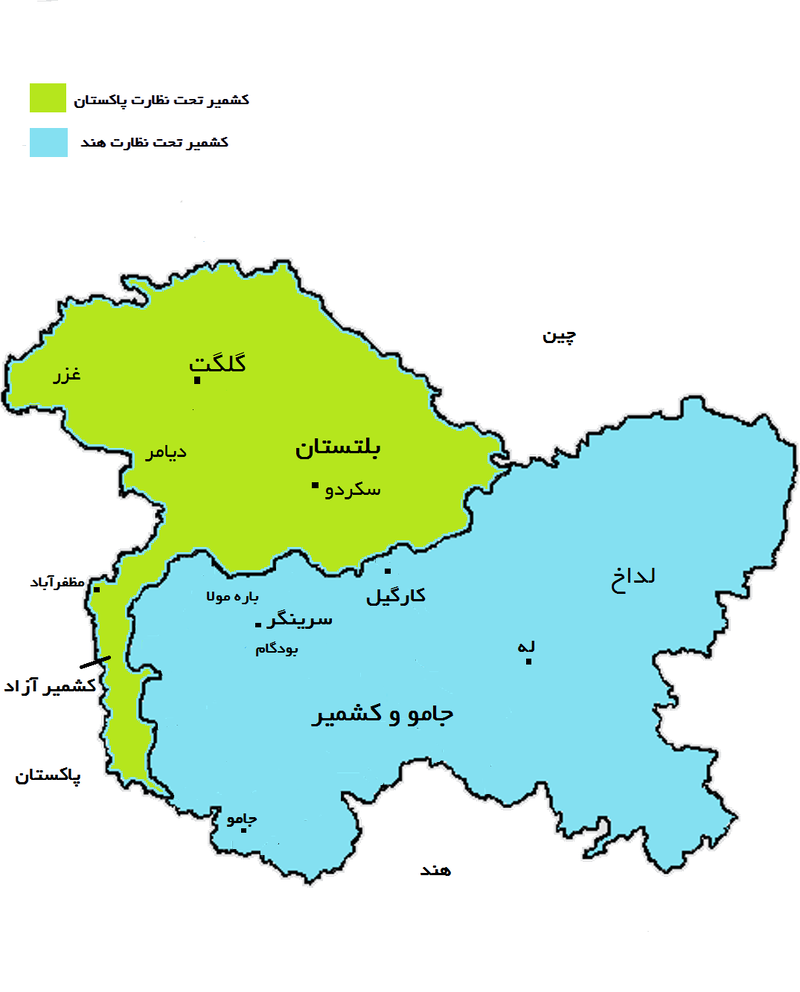
اداره کشمیر، برای هندی که میخواست خودش را هندو و بودایی معرفی کند آسان نبود. چرا که این منطقه با اثرگیری از اوستا، زیر بار دین های دیگری که خدا را در قالب بت و بت پرستی تعریف کنند و یا عزت او را زیر سوال ببرند نمیرفت. در نتیجه این زیربار نرفتن ها، کشمیر به چند قسمت تقسیم شد: بخشی به پاکستان تعلق گرفت و بخشی متعلق به هند شد. چین که از نظر اقتصادی رشد کرده بود بخشی از آن را از پاکستان گرفت. امروز، کشمیر آزاد بخشی از کشمیر تحت نظارت پاکستان است که در غرب منطقه کشمیر هند قرار گرفته و با ۱۳۲۷۹۷ کیلومتر مربع مساحت، از نظر اداری دارای ریاست مستقلی است. اکثر جمعیت این منطقه را اهل سنت تشکیل میدهند و شیعیان به طور پراکنده در سراسر منطقه حضور دارند. بیشترین جمعیت شیعه کشمیر آزاد در مظفرآباد و اطراف آن مستقراند. پس از مظفرآباد، بیشترین شیعیان در شهرستانهای کوتلی، پونج، باغ و میرپور زندگی میکنند.
ایالت «اوریسا » اوریسا (کالینگا) نوزدهمین ایالت بزرگ هند از نظر وسعت و یازدهمین از نظر کثرت جمعیت است و مرکز آن «بوبانسور »میباشد. ایالت «اوریسا» در شرق کشور هندوستان در کنار خلیج بنگال واقع شده است.
از نظر اوستا، راه درست یکی است: گفتار نیک، کردار نیک، پندار نیک جمله ارزشمندی است که از ایران باستان برای ما به یادگار گذاشته شده است. ما ایرانیان از آن زمان که جشن عید نوروز را با مراسم سفره هفت سین به خاطر داریم، با این اصل آشنا میشدیم که راه راست و درست یکی است و برای رسیدن به آن سه رکن گفتار نیک، کردار نیک و پندار نیک را باید در نظر بگیریم. فرهنگ ایرانی پر از ضرب المثل های آموزنده است که بسیاری از آنها ریشه های کهن دارند. امثال این گفته ها بین مردم کشمیر نیز هست و آنان فرهنگ غنی مخصوص خود را در کنار هند استعمار زده و پاکستان افراطی و چین بی دین حفظ می کنند، تا دین با فرهنگ را به مردم همسایه نشان دهند.
__________________------
A while ago, I was searching the internet for the price of Zarbafat embroidery on velvet. I couldn’t find a price for this handicraft on Iranian sites, and to my surprise, I found it on a large Chinese retail site that a Kashmiri had posted. He had also posted a photo of the shop, which showed that it was somewhere in India.
I looked at the map and saw that Kashmir is a region right in the middle of India, Pakistan, and China that has not been able to properly define its borders. I thought to myself, what makes you look for Chinese kanji in the language of the Kashmiri people, but find Kashmir more Iranian than Chinese! China, with its vast size and large population, despite bordering Kashmir?
I looked, there are various reasons, and the most important of them is the ancient roots of the Iranians in the region. The area of ancient Iran extended to Tajikistan and the borders of Nepal and Bangladesh to the east, and to the Levant and Arabia to the west. The language of that time was Avestan, which is used today to name cities and states: Kashmir (Kashmir), the gateway to Kashmir near New Delhi, and Orissa. With the victory of the Communist Party in the 1950s, religious people in China fled to several places outside China, one of which was North Korea. Others were people who fled to Kashmir.
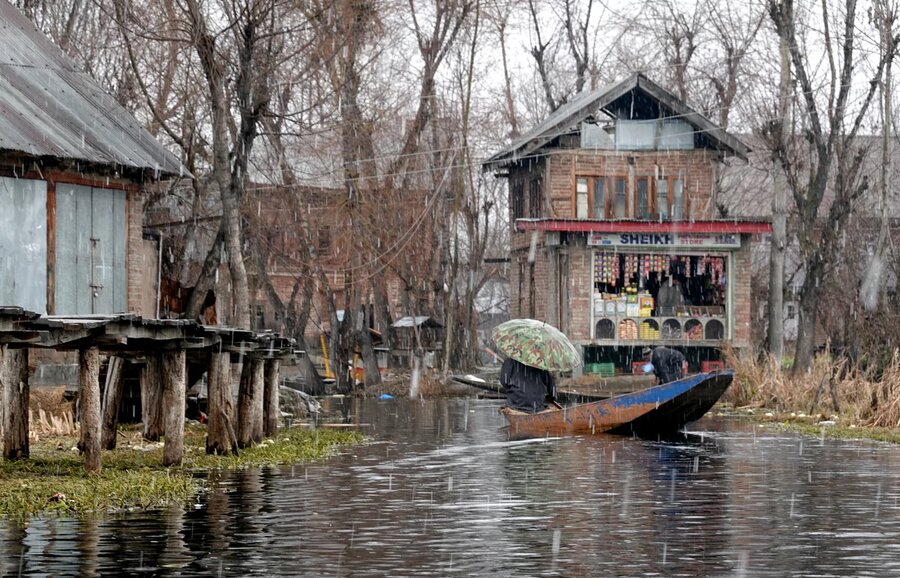
Kashmir - Srinagar [Click and drag to move]
They were initially warmly welcomed by India, but later, under pressure from Beijing, some of them, including Isa Yusuf Alpetkin - a famous Uyghur politician - were forced to leave India. They first applied for asylum in Egypt and Saudi Arabia, which they refused, but they eventually went to Turkey.
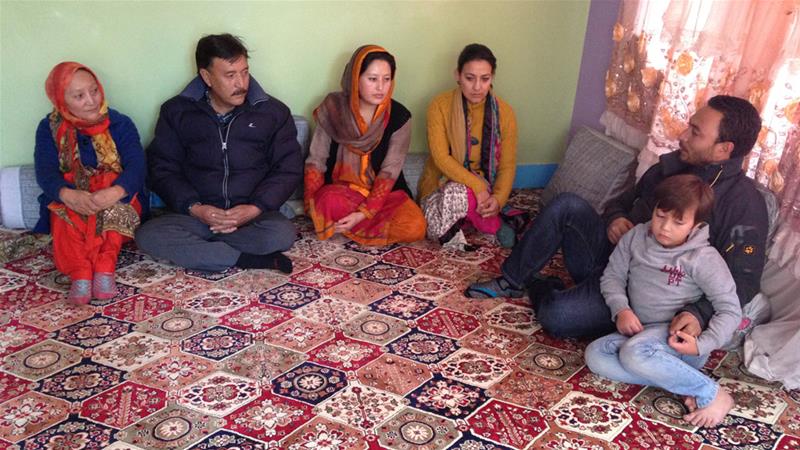
Political asylum of the Uyghurs [Click and drag to move]
The administration of Kashmir was not easy for an Indian who wanted to identify himself as Hindu and Buddhist. Because this region, influenced by Avesta, did not submit to other religions that defined God in the form of idolatry or questioned his dignity. As a result of this refusal, Kashmir was divided into several parts: one part belonged to Pakistan and the other to India. China, which had grown economically, took part of it from Pakistan. Today, Azad Kashmir is a part of Kashmir under the control of Pakistan, located in the west of the Indian Kashmir region and with an area of 132,797 square kilometers, it has an independent presidency in terms of administration. The majority of the population of this region is Sunni, and Shiites are scattered throughout the region. The largest Shiite population of Azad Kashmir is settled in and around Muzaffarabad. After Muzaffarabad, the largest Shiites live in the districts of Kotli, Poonch, Bagh and Mirpur.
Orissa State Orissa (Kalinga) is the nineteenth largest state of India in terms of area and the eleventh largest in terms of population, and its capital is Bhubaneswar. The state of Orissa is located in the east of India, along the Bay of Bengal.
According to the Avesta, the right path is one: good speech, good action, good thought. This is a valuable sentence that has been left to us from ancient Iran. Since the time we remember the celebration of Nowruz with the Haft Sin feast, we Iranians have been familiar with this principle that the right path is one and the right path, and to achieve those three pillars, we must consider good speech, good action, and good thought. Iranian culture is full of instructive proverbs, many of which have ancient roots. Similar sayings are also found among the people of Kashmir, and they maintain their own rich culture alongside colonial India, extremist Pakistan, and atheist China, in order to show religion and culture to the neighboring people.