همکاری ایران و الجزایر
امروزه از هر سه نفر دو تن در مناطق ساحلی نزدیک دریا، در کرانههای قاره ها با جزایر زندگی می کنند. این وضع که حاصل رشد و حرکت جمعیت و نیز زاییده توسعه اقتصادی است، به مناطقی مربوط است که از تعادلی ظریف برخوردارند و در بسیاری موارد گاهواره تمدنهای باستانی هستند که رونق دیرینه شأن بیشتر بر کشتیرانی و تجارت دریایی و نیز بر باروری خاک عالی محیط ساحلی استوار است.
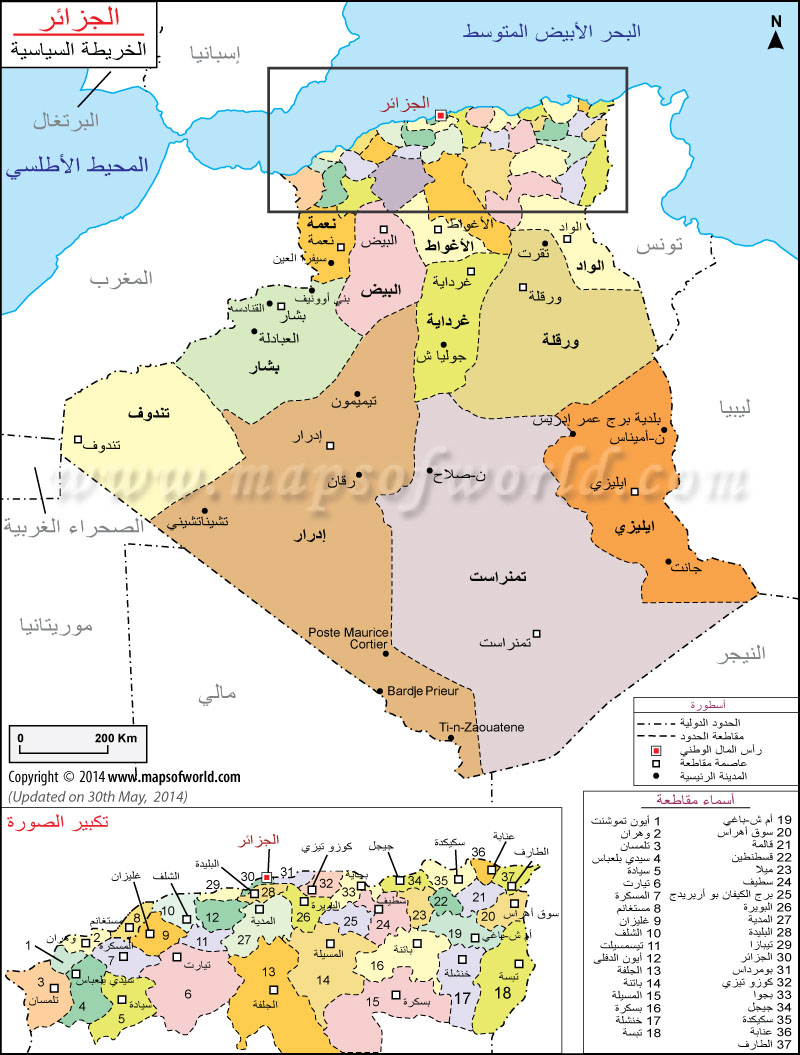
از دیرباز الجزایر مانند تونس در شمال قاره آفریقا خط ساحلی ایده آلی را تشکیل میداده است که در کنار جزایری که داشتند شهرت جهانی یافتند و در عین حال که در مرز دریایی کشورهای اروپایی چون اسپانیا و ایتالیا قرار داشتند رشته اکوسیستمهای تکاملی و موجودیت های زمین شناسی از قبیل پلاژها، خورها، مرداب ها، درختهای گرمای ساحلی و صخره های مرجانی را در بر داشته اند.
مردم کشور الجزایر به داشتن رفتاری گرم و دوستانه بهویژه با مهمانان مشهور هستند و دعوت بازدیدکنندگان یا دوستان به خانه برای صرف چند فنجان چای برای آنها مرسوم است. تاریخ الجزایر به دوران باستان باز میگردد که این سرزمین توسط امپراتوریهای مختلفی اشغال شد. پس از آن، الجزایر به دست دولت عثمانی درآمد و تحت حکومت این دولت تا قرن ۱۹ بود. پس از آن، با شروع جنگ استقلال الجزایر از فرانسه، این کشور در سال ۱۹۶۲ با دادن بیش از یک و نیم میلیون کشته و شهید از فرانسه استقلال یافت.
هنر، موسیقی و غذاهای محلی نیز بخش مهمی از فرهنگ کشور الجزایر را تشکیل میدهند.
ما برای دولت و ملت الجزایر در مسیر حمایت از منافع مسلمانان و دفاع از آرمانهای جهان اسلام، آرزوی موفقیت روزافزون داریم، و امیدواریم که روابط جمهوری اسلامی ایران و الجزایر، همواره در مسیر توسعه، تعمیق و شکوفایی قرار داشته باشد
اقتصاد الجزایر
اقتصاد الجزایر بر پایه منابع طبیعی این کشور مانند نفت و گاز بنا شده است. این کشور یکی از بزرگترین تولیدکنندگان نفت در منطقه خاورمیانه است و درآمد حاصل از صادرات نفت به توسعه اقتصاد این کشور کمک زیادی کرده است.
همکاری با ایران
الجزایر، کشوری با ارتباطات بین المللی و رو به رشد است. این کشور سابقه طولانی در عرصه های بین المللی داشته است. به عنوان مثال وساطت الجزایر، میان ایران و عراق را میگوییم.
وساطت الجزایر میان ایران و عراق
اختلافات عراق و ایران همچنان ادامه پیدا کرد و عراق به طور مکرر قرارداد ۱۹۳۷ را نقض میکرد. در آذر ۱۳۵۰ عراق مناسبات خود را با ایران قطع کرد. در سال ۱۹۷۵ میلادی الجزایر معاهده ای پیشنهاد داد که به موجب آن بین ایران و عراق توافقات مرزی صلح آمیز برقرار شد. معاهده 1975 الجزایر که در سال 1354 میان ایران و عراق و با وساطت الجزایر به امضا رسید، به اغلب مسائل فیمابین دو کشور خاتمه داده و اقدامی مهم در جهت حل و فصل اختلافات مرزی ایران و عراق محسوب میشود. این قرارداد از سوی ایران و عراق و با حضور عالیترین مقامات سیاسی دو کشور به توافق انجامیده و به امضا رسید.
پذیرش معاهده ۱۹۷۵ از سوی عراق و پیروزی ایران
پس از حدود سه ماه و نیم مکاتبه میان رؤسای جمهور عراق و ایران، سرانجام رئیس جمهور عراق که در جریان حمله به کویت تحت فشار بینالمللی قرارگرفته بود، به خواستههای ایران تن داد و در پاسخ به نامه رئیسجمهور ایران در ۲۳ مرداد ۱۳۶۹، طی ششمین و آخرین نامه خود، شرایط ایران را برای تحقق صلح پذیرفت و نوشت:
«با پیشنهاد شما مندرج در نامه جوابیه هشتم آگوست ۱۹۹۰ که توسط آقای برزان ابراهیم تکریتی نماینده ما در ژنو، از نماینده شما آقای سیروس ناصری دریافت شد و ناظر به لزوم مبنا قرار دادن عهدنامه ۱۹۷۵ است، ضمن مرتبط دانستن آن با اصول مندرج در نامه ۳۰ ژوئیه ۱۹۹۰ ما به ویژه در مورد مبادله اسرا و بندهای شش و هشت قطعنامه شورای امنیت، موافقت میشود بر اساس بند یک این نامه و مندرجات نامه ۳۰ ژوئیه ۱۹۹۰، ما آمادهایم هیئتی را به تهران اعزام کنیم یا هیئتی از سوی شما به بغداد سفر کند تا ضمن تهیه موافقتنامههای مربوطه، موجبات امضای آن را در سطحی که مورد توافق قرار میگیرد، فراهم نمایند.
با این تصمیم ما، دیگر همه چیز روشنشده است و به این ترتیب همه آنچه را که میخواستید و بر آن تکیه میکردید، تحقق مییابد و دیگر اقدامی جز مبادله اسناد باقی نمیماند.»
پذیرش خواسته ایران از سوی صدام با استقبال کشورهای عرب خلیج فارس و ترکیه مواجه نشد و آنها از همکاری ایران با عراق نگران شدند، ولی جمهوری اسلامی به آنها اطمینان داد برای خروج نیروهای نظامی عراق از کویت پافشاری کند.
_______________________
Today, two out of three people live in coastal areas close to the sea, on the shores of continents and islands. This situation, which is the result of population growth and movement, as well as economic development, is related to areas that enjoy a delicate balance and are in many cases the cradle of ancient civilizations whose long-standing prosperity is based more on shipping and maritime trade than on the excellent fertility of the coastal environment.
Algeria, like Tunisia, has long formed an ideal coastline in the north of the African continent, which, along with its islands, has become world famous and, at the same time, on the maritime border of European countries such as Spain and Italy, has a series of evolved ecosystems and geological entities such as beaches, estuaries, marshes, coastal heath trees and coral reefs.
The Algerian people are known for their warm and friendly attitude, especially towards guests, and it is customary to invite visitors or friends to their homes for a few cups of tea. The history of Algeria dates back to ancient times, when the land was occupied by various empires. After that, Algeria fell into the hands of the Ottoman government and was ruled by this government until the 19th century. After that, with the beginning of the Algerian War of Independence from France, the country gained independence from France in 1962, giving more than one and a half million dead and martyrs.
Art, music and local cuisine also form an important part of the culture of Algeria.
We wish the government and people of Algeria increasing success in supporting the interests of Muslims and defending the ideals of the Islamic world, and we hope that relations between the Islamic Republic of Iran and Algeria will always be on the path of development, deepening and prosperity.
Algerian Economy
The Algerian economy is based on the country's natural resources such as oil and gas. It is one of the largest oil producers in the Middle East region, and the income from oil exports has contributed greatly to the development of the country's economy.
Cooperation with Iran
Algeria is a country with growing international relations. This country has a long history in the international arena. For example, we mention the Algerian mediation between Iran and Iraq.
Algerian mediation between Iran and Iraq
The disputes between Iraq and Iran continued, and Iraq repeatedly violated the 1937 agreement. In December 1977, Iraq severed its relations with Iran. In 1975, Algeria proposed a treaty under which peaceful border agreements were established between Iran and Iraq. The 1975 Algiers Treaty, which was signed between Iran and Iraq in 1975 and mediated by Algeria, ended most of the issues between the two countries and is considered an important step towards resolving the border disputes between Iran and Iraq. This treaty was agreed upon and signed by Iran and Iraq in the presence of the highest political officials of the two countries.
Iraq's Acceptance of the 1975 Treaty and Iran's Victory
After about three and a half months of correspondence between the presidents of Iraq and Iran, the Iraqi president, who had been under international pressure during the invasion of Kuwait, finally yielded to Iran's demands and, in response to the Iranian president's letter of August 13, 1980, in his sixth and final letter, accepted Iran's conditions for peace and wrote:
"With your proposal contained in the letter of August 8, 1990, which was received by Mr. Barzan Ibrahim Tikriti, our representative in Geneva, from your representative Mr. Sirous Nasseri, and which concerns the need to base it on the 1975 Treaty, while relating it to the principles contained in our letter of July 30, 1990, especially regarding the exchange of prisoners and paragraphs six and eight of the Security Council resolution, it is agreed that, based on paragraph one of this letter and the contents of the letter of July 30, 1990, we are ready to send a delegation to Tehran or for a delegation from you to travel to Baghdad to prepare the relevant agreements and to arrange for their signing in "Provide the level that is agreed upon.
With this decision of ours, everything is now clear, and thus everything you wanted and relied on will be realized, and there will be no other action left but the exchange of documents."
Saddam's acceptance of Iran's demand was not welcomed by the Arab countries of the Persian Gulf and Turkey, and they became concerned about Iran's cooperation with Iraq, but the Islamic Republic assured them that it would insist on the withdrawal of Iraqi military forces from Kuwait.