تغییرات اقلیمی و اثر عوامل نوظهور بر آن
مزارع استخراج رمزارز و گنبد گرمایی: بررسی پیوند میان فناوریهای نوظهور و تغییرات اقلیم
در دهههای اخیر تغییرات اقلیمی و گرمایش جهانی منجر به افزایش بروز پدیدههای حدی اقلیمی از جمله موجهای گرما و گنبدهای گرمایی شده است. در این میان، مداخلات انسانی در جو و زمین نه تنها به کاهش آثار این پدیدهها منجر نشدهاند، بلکه در برخی موارد میتوانند به تشدید اختلالات اقلیمی کمک کنند. این مقاله به تحلیل نقش دو عامل نوظهور – مزارع استخراج رمزارز و دستگاههای تگرگشکن – در کنار تغییرات اقلیمی میپردازد و پیامدهای آنها بر سامانههای آب و هوایی و منابع طبیعی ایران را مورد بررسی قرار میدهد.
پدیده گنبد گرمایی
پدیده گنبد گرمایی بهعنوان یکی از نمودهای بارز تغییرات اقلیمی در دهههای اخیر، شرایطی است که در آن تودهای از هوای داغ به وسیله فشار جوی در یک منطقه محبوس میشود و برای مدت طولانی باقی میماند. پیامدهای این پدیده شامل افزایش شدید دما، تشدید خشکسالی، تهدید امنیت غذایی و کاهش کیفیت هوا است.
گنبد گرمایی چیست؟
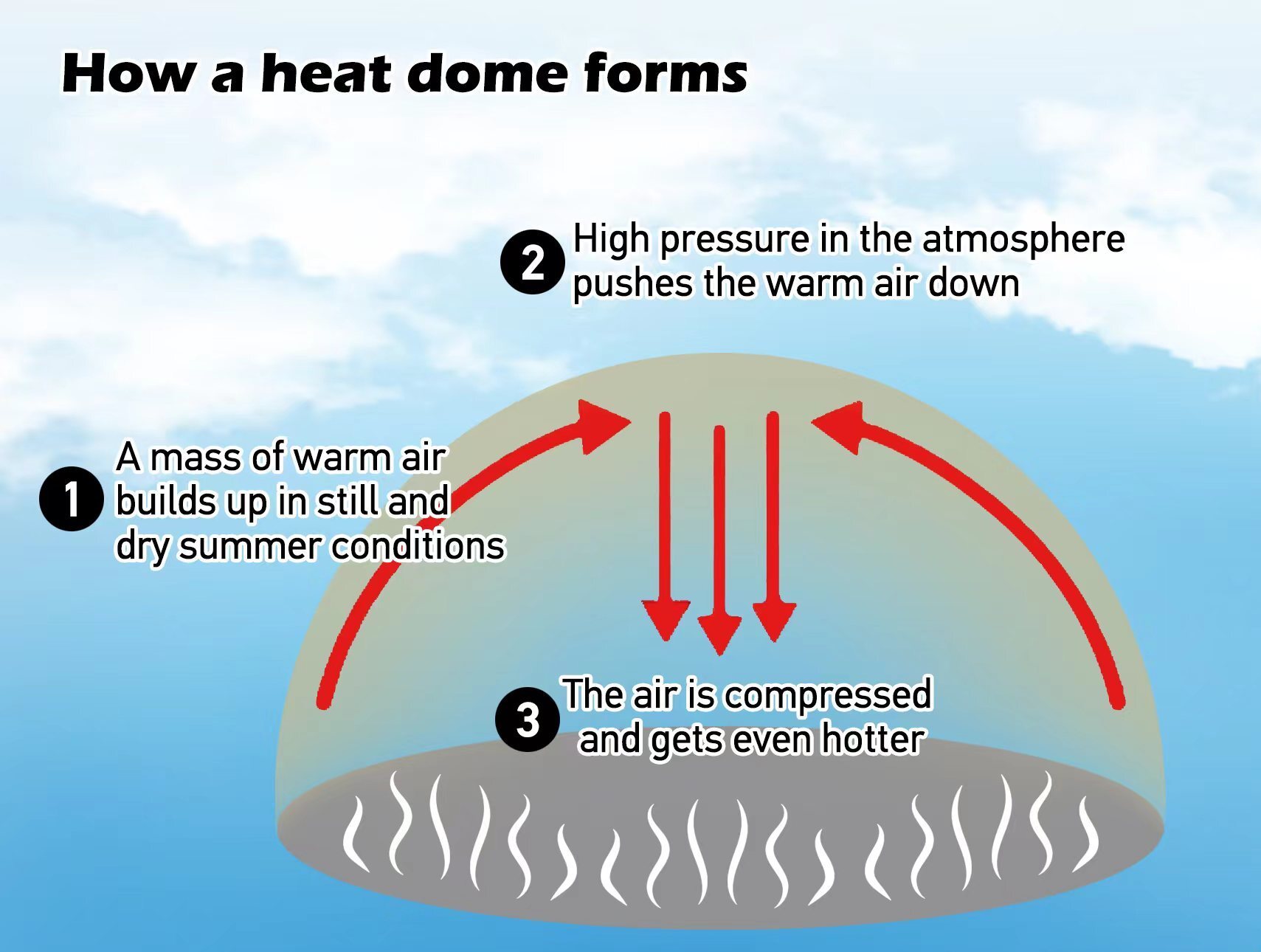
گنبد گرمایی سیستمهای اتمسفر فشار بالایی را توصیف میکند که باعث میشود هوای گرم به سطح رانده شود و برای مدت طولانی در آنجا به دام بیفتد و بماند.
چه چیزی باعث ایجاد گنبدهای گرمایی میشود؟
سیستمهای فشار آب و هوای معمولی از غرب به شرق در عرضهای جغرافیایی آمریکای شمالی حرکت میکنند؛ گاهی اوقات این سیستمها با ضعیف شدن و شکستن «جریان جت» مسدود میشوند و هنگامی که جریان متوقف میشود، میتواند منجر به ایجاد یک ناحیه دائمی با فشار بالا شود.
جریان جت (Jet Stream) نوار باریکی از باد شدید در سطوح بالایی جو است؛ جریانهای جت ناشی از چرخش زمین و تکانهای است که هوا هنگام دور شدن از خط استوا ایجاد میکند و هر جریان جت در امتداد مرزی بین گرم و سرد جریان دارد و در نتیجه جریانهای جت قطبی و نیمه گرمسیری ایجاد میشود.
گنبدهای گرمایی در کجا تشکیل میشود؟
موج گرمای آمریکای شمالی در سال ۱۹۳۶، موج گرمای اروپا در سال ۲۰۰۳ و موج گرمای ۲۰۲۵ نمونههای مخربی از پدیده گنبد گرمایی در عمل هستند که مهمترین پیامد آن آتشسوزی های گسترده بوده است.
رکورد گرمایی ۸۳ ساله در آستانه شکستن
گنبد حرارتی ۲۰۲۵ منجر به اعلام آبادان به عنوان گرم ترین نقطه جهان در مرداد امسال شد. مرداد ماه امسال، 1404، آبادان با 52.2 درجه سانتیگراد بالاترین شاخص گرمای زمین را به ثبت رساند.
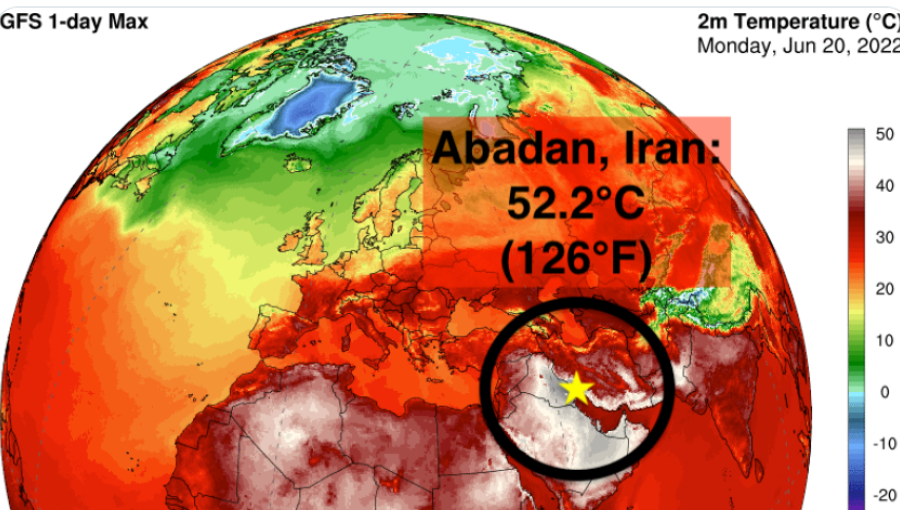
در عراق، روز یکشنبه دما در برخی مناطق جنوبی از ۵۰ درجه سانتیگراد عبور کرد و انتظار میرود تا پایان هفته به حدود ۵۲ درجه برسد. در مصر نیز سازمان هواشناسی نسبت به موج گرمای کمسابقهای هشدار داده که از دوشنبه ۱۱ آگوست آغاز شده و تا جمعه ۱۵ آگوست ادامه دارد. پیشبینیها حاکی از آن است که دمای محسوس در این کشور به ۴۷ درجه و در مناطق جنوبی در سایه به ۴۹ درجه برسد.
اردن هم با یکی از شدیدترین موجهای گرمای تاریخ خود روبهروست و دما در برخی مناطق بیابانی این کشور به ۴۳ درجه میرسد. مقامهای محلی از شهروندان خواستهاند که در ساعات اوج گرما از قرار گرفتن در معرض مستقیم نور خورشید پرهیز کنند
ماهیت گنبد
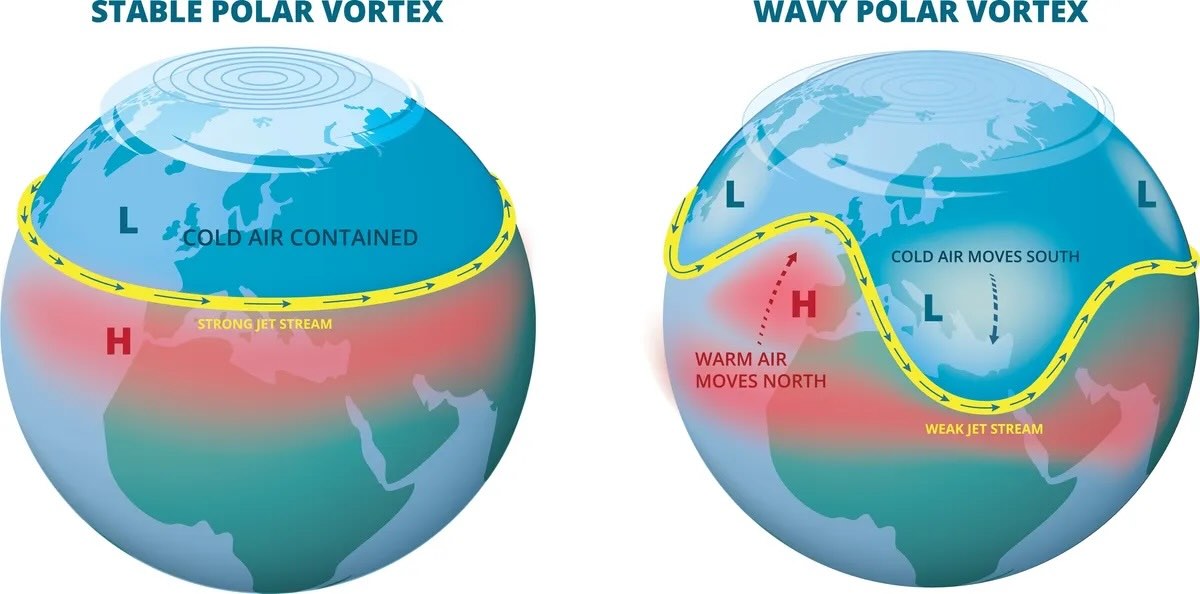
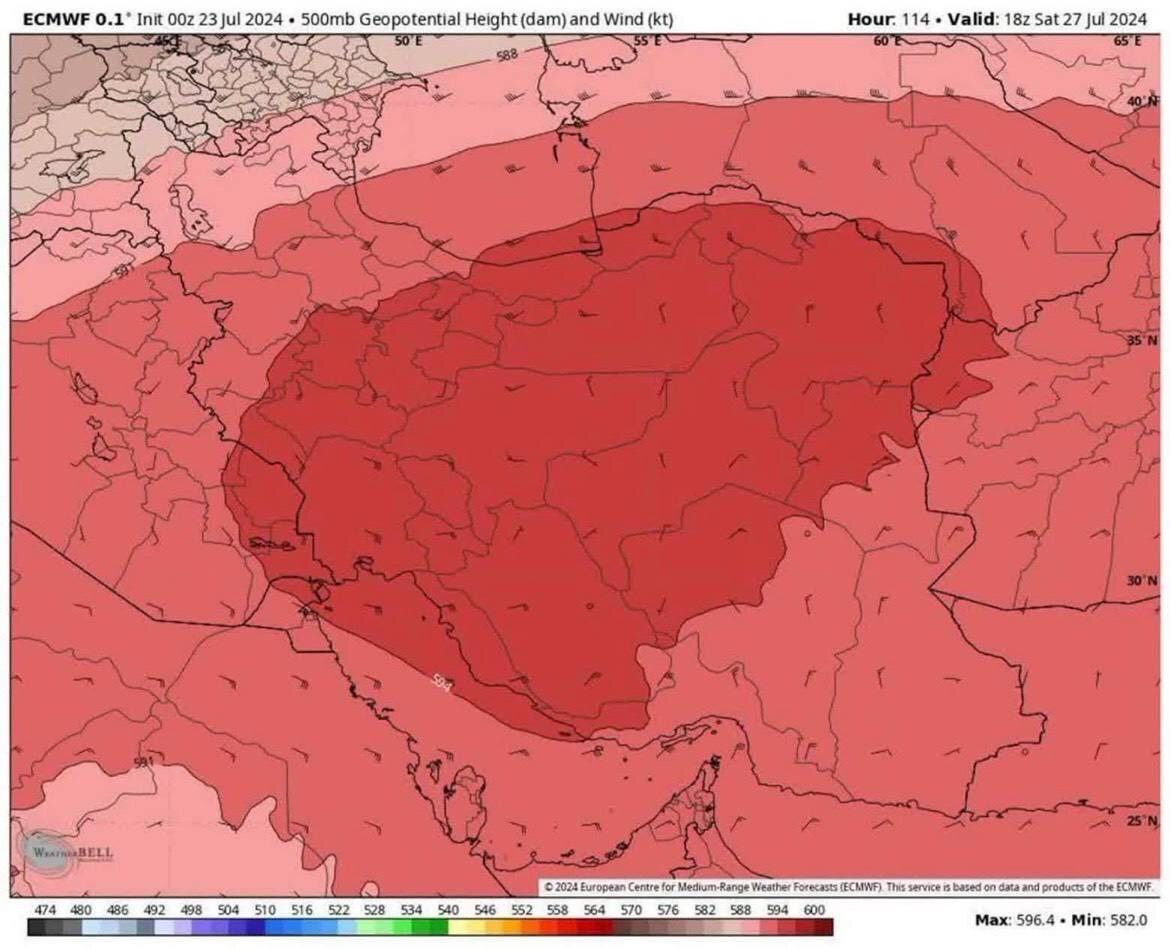
گنبد جامد است، یا بهتر است بگوییم، هوای پرفشار است و جریان جت به سمت شمال رفته و این گنبد غولپیکر هوای گرم را قادر میسازد تا آنجا بماند.
به دلیل سطوح بیسابقه آلودگی گرمایی در اتمسفر، گنبدهای حرارتی برای مدت طولانیتری نسبت به آب و هوای پایدارتر روی مناطق ایجاد میشوند.
تفاوت امواج گرما و گنبد گرمایی چیست؟
در حال حاضر با توجه به اینکه بسیاری از مناطق در گرمای شدید تابستان در این هفته قرار دارند هواشناسان در مورد امواج گرما و گنبدهای گرمایی صحبت میکنند.
حلقه آتش گنبد حرارتی
در هواشناسی، الگوی حلقه آتش نوعی از وضعیت جوی است که در آن رعد و برق در امتداد لبههای یک پشته پرفشار قوی تشکیل میشود.
فشار بالای شدید و هوای فروکشکننده در داخل گنبد حرارتی، تشکیل طوفانهای تندری به تعداد زیاد را دشوار میکند. با این حال، طوفانهای تندری معمولاً در لبههای گنبد حرارتی فوران میکنند، زیرا ناحیه پرفشار در این مناطق ضعیفترین است و به ستونهای هوا اجازه میدهد تا بالا بروند و ابرهای بلند و بارشهای رگباری را تشکیل دهند.
نقش مضاعف سایر عوامل دخیل در گرمایش زمین
برخی فعالیتهای انسانی در سطح محلی و منطقهای مانند مزارع استخراج رمزارز نیز میتوانند نقش مضاعفی در تغییر الگوهای جوی ایفا کنند.
مزارع استخراج رمزارز و اثرات آن بر انرژی و اقلیم
مزارع ماینینگ رمزارز با صدها و گاه هزاران دستگاه پردازشگر فعالیت میکنند. این دستگاهها علاوه بر مصرف بالای انرژی برق، گرمای قابل توجهی نیز تولید میکنند. از آنجا که خنکسازی چنین مجموعههایی نیازمند انرژی مضاعف است، فشار شدیدی بر شبکه برق وارد میشود. در برخی موارد، این فشار به حدی است که نیروگاهها مجبور به استفاده از سوختهای سنگین و آلاینده مانند مازوت میشوند. پیامد مستقیم آن، تشدید آلودگی هوا و اختلال در الگوی مصرف انرژی است؛ موضوعی که در ماههای اخیر حتی منجر به افزایش روزهای تعطیل کاری در برخی استانها شده است.
پیامدهای زیستمحیطی: انتشار آلایندههای هوا و افزایش اثر جزایر گرمایی شهری و منطقهای.
این شرایط نه تنها به تشدید تغییرات اقلیمی کمک میکند، بلکه در عمل با بحرانهای مدیریتی در حوزه انرژی و سلامت عمومی نیز پیوند میخورد.
تگرگشکنها: فناوری پیشگیرانه یا مداخله اقلیمی؟
دستگاههای تگرگشکن (Anti-Hail Generators) فناوریهایی هستند که با ایجاد امواج شوک در جو، فرایند بلورسازی یخ و تشکیل دانههای تگرگ را مختل میکنند. هدف اولیه آنها محافظت از محصولات کشاورزی است؛ اما این فناوری در ایران با چالشهای زیر مواجه است:
نبود آمار رسمی: هیچ داده شفافی درباره تعداد و پراکندگی این دستگاهها در کشور وجود ندارد.
ابهام در آثار اقلیمی: برخی شواهد محلی حاکی از کاهش بارشهای باران و برف در مناطقی است که این دستگاهها نصب شدهاند.
مداخله در چرخههای هیدرولوژیک: تغییر در الگوی بارش میتواند بر تغذیه آبهای زیرزمینی، جریان رودخانههای فصلی و تداوم خشکسالیها اثرگذار باشد
مطالعه موردی: بردسکن و رودخانه درونه
شهرستان بردسکن در استان خراسان رضوی نمونهای قابل بررسی است. از یک سو گزارشهایی از نصب تگرگشکن در باغات این شهرستان منتشر شده است، و از سوی دیگر رودخانهی اصلی منطقه، موسوم به درونه (یا کال درونه)، الگوی خاصی از نوسانات دارد:
در مقاطعی از سال بهطور ناگهانی طغیان میکند. در باقی ایام سال عمدتاً خشک و بیآب است.
این وضعیت میتواند محصول مجموعهای از عوامل شامل تغییرات اقلیمی، تغییر در مدیریت منابع آب، بهرهبرداریهای کشاورزی و اثرات غیرمستقیم دستگاههای ضدتگرگ باشد.
آنچه مشخص است این است که با اینکه آمار درستی از تعداد تگرگ شکن ها نداریم، ولی شاهد اثرات زیست محیطی متناسب با وجود استفاده از آنها نداریم.
سایر عوامل دخیل در تغییرات اقلیمی
به جز ماینرها و تگرگشکنها طیف وسیعتری از عوامل نوظهور و مداخلات انسانی را کنار تغییرات اقلیمی داریم که در ادامه به بررسی آنها میپردازیم:
🔹 ۱. آلودگی حرارتی ناشی از صنایع و نیروگاهها
بسیاری از صنایع بزرگ (فولاد، سیمان، پتروشیمی) و نیروگاهها علاوه بر مصرف انرژی بالا، حرارت قابل توجهی به محیط آزاد میکنند.
این گرما میتواند به شکلگیری جزایر گرمایی در مقیاس محلی دامن بزند.

نمونه بارز: استفاده از سوخت مازوت در برخی نیروگاهها و صنایع ایران.
🔹 ۲. تغییر کاربری اراضی و تخریب پوشش گیاهی
گسترش شهرنشینی و ساختوساز بیرویه باعث از بین رفتن پوشش گیاهی و خاکهای نفوذپذیر میشود.
این موضوع نهتنها گرما را در شهرها افزایش میدهد، بلکه بر چرخه آب و بارشها نیز اثر دارد.
بیابانزایی و تبدیل مراتع به زمینهای کشاورزی نامناسب نیز از همین دستهاند. کویر لوت و دشت کویر دو نقطه کانونی گرمایی در ایران و جهان شناخته شده اند که گسترش شرایط بیابانی آنها به سایر مناطق باعث تشدید پدیده های گرمایشی میشود.
🔹 ۳. مدیریت ناکارآمد منابع آب
حفر بیرویه چاههای عمیق و استفاده بیش از حد از منابع آب زیرزمینی، تعادل هیدرولوژیک مناطق خشک را بر هم میزند.
خشکشدن تالابها (مثل گاوخونی، شادگان و دریاچه ارومیه) باعث افزایش کانونهای گرد و غبار میشود که خود بر الگوهای اقلیمی اثرگذار است.
🔹 ۴. انرژیهای نو و اثرات جانبی آنها
گرچه انرژی خورشیدی و بادی به عنوان جایگزین پایدار معرفی میشوند، اما توسعه بیرویه مزارع خورشیدی و بادی نیز میتواند اثرات محلی داشته باشد:
تغییر الگوی بازتاب نور و دما در سطح زمین (albedo).
تأثیر احتمالی بر مسیر باد و رطوبت محلی.
🔹 ۵. حملونقل و ترافیک شهری
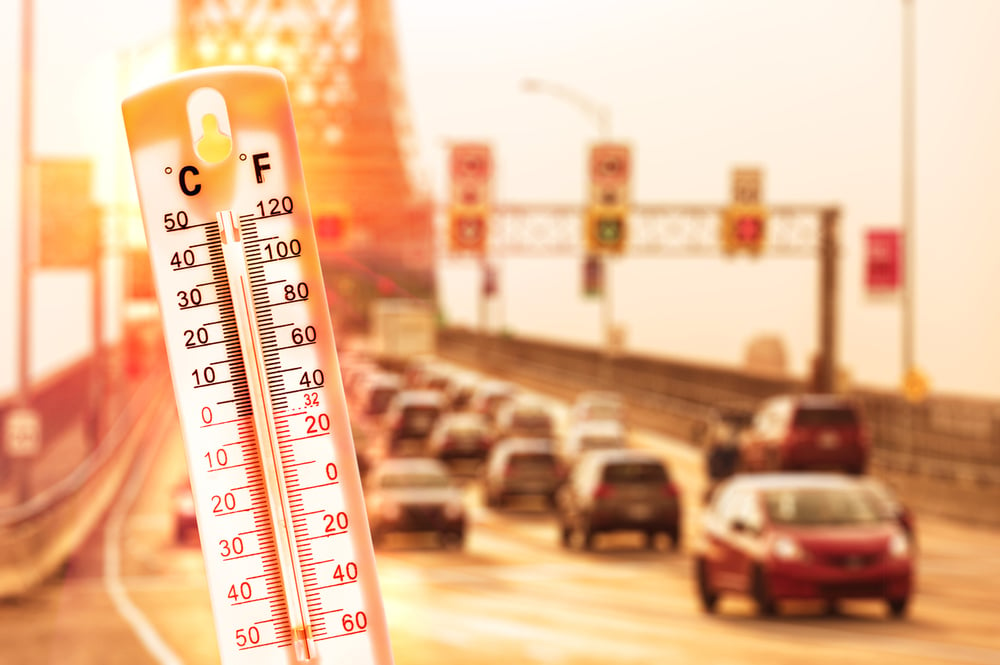
خودروها و موتورسیکلتها سهم بزرگی در تولید گرما و آلودگی دارند.
پدیدهای مثل جزیره گرمایی تهران و یا مشهد بهطور مستقیم با ترافیک و مصرف سوخت فسیلی پیوند دارد.
🔹 ۶. فناوریهای دستکاری آب و هوا (Weather Modification)
در کنار تگرگشکنها، پروژههایی مانند بارورسازی ابرها نیز در ایران مطرح شدهاند.
اگرچه هدف این پروژهها افزایش بارش است، اما پیامدهای بلندمدت آن بر چرخه اقلیمی هنوز محل بحث است.
🔹 ۷. پسماند الکترونیکی و زیرساخت دیجیتال

رشد زیرساختهای ارتباطی و مراکز داده (Data Centers) مصرف انرژی و تولید گرما را افزایش داده است.
سرورها نیازمند خنکسازی مداوماند و عملاً مشابه مزارع ماینینگ بر اقلیم خرد (Microclimate) اثر میگذارند.
بحث و نتیجهگیری
تحلیل حاضر نشان میدهد که عوامل نوظهور متعددی مانند مزارع استخراج رمزارز و تگرگشکنها که گاه هوشمندانه به تشدید گرما کمک میکنند، میتوانند بهطور مستقیم یا غیرمستقیم بر سیستمهای اقلیمی محلی اثرگذار باشند. در حالی که استخراج رمزارز از طریق مصرف بالای انرژی و افزایش آلودگی هوا به گرمایش منطقهای دامن میزند، تگرگشکنها، خودروها و سایر عوامل بالا که ذکر شد نیز میتوانند چرخه طبیعی بارش را دستخوش تغییر کنند.
این یافتهها ضرورت چند اقدام اساسی را روشن میسازند:
1. انجام پژوهشهای میدانی و دادهمحور برای بررسی اثرات واقعی عواملی چون تگرگشکنها و ترافیک شهری بر بارشهای منطقهای.
2. تدوین سیاستهای انرژی و اقلیممحور برای کنترل فعالیت مزارع استخراج رمزارز.
3. مدیریت یکپارچه منابع آب در مناطق دارای رودخانههای فصلی بهمنظور کاهش پیامدهای سیلاب و خشکسالی.
در نهایت، هرگونه مداخله فناورانه در سامانههای اقلیمی باید با رویکردی علمی، مبتنی بر داده و همراه با ارزیابی اثرات بلندمدت انجام گیرد تا از تبدیل راهحلهای مقطعی به بحرانهای جدید زیستمحیطی جلوگیری شود.
__________________________
Cryptocurrency Mining Farms and Heat Domes: Exploring the Link Between Emerging Technologies and Climate Change
In recent decades, climate change and global warming have led to an increase in the occurrence of extreme climate phenomena, including heat waves and heat domes. Meanwhile, human interventions in the atmosphere and the earth have not only not reduced the effects of these phenomena, but in some cases can contribute to the intensification of climate disturbances. This article analyzes the role of two emerging factors – cryptocurrency mining farms and hail-breaking devices – alongside climate change and examines their consequences on Iran’s climate systems and natural resources.
Heat Dome Phenomenon
The heat dome phenomenon, as one of the most prominent manifestations of climate change in recent decades, is a condition in which a mass of hot air is trapped in an area by atmospheric pressure and remains there for a long time. The consequences of this phenomenon include a sharp increase in temperature, increased drought, threats to food security, and reduced air quality.
What is a heat dome?
Description of the heat dome phenomenon [Click and drag to navigate]
A heat dome describes high-pressure atmospheric systems that cause warm air to be pushed to the surface and trapped there for long periods of time.
What causes heat domes?
Typical weather pressure systems move from west to east across the latitudes of North America; sometimes these systems are blocked by the weakening and breaking of the "jet stream," which can lead to a permanent area of high pressure when the flow stops.
A jet stream is a narrow band of strong winds in the upper atmosphere; Jet streams are caused by the Earth's rotation and the momentum that air creates as it moves away from the equator, and each jet stream flows along a boundary between warm and cold, resulting in the polar and subtropical jet streams.
Where do heat domes form?
The North American heat wave of 1936, the European heat wave of 2003, and the 2025 heat wave are devastating examples of the heat dome phenomenon in action, the most important consequence of which was widespread fires.
83-year heat record on the verge of breaking
The 2025 heat dome led to Abadan being declared the hottest place in the world in August this year. In August this year, 1404, Abadan recorded the highest Earth Heat Index with 52.2 degrees Celsius.
52.2 Summer Heat of Abadan 1404 [Click and drag to move]
In Iraq, temperatures in some southern regions crossed 50 degrees Celsius on Sunday and are expected to reach around 52 degrees by the end of the week. In Egypt, the Meteorological Agency has also warned of a record heat wave that will begin on Monday, August 11 and continue until Friday, August 15. Forecasts indicate that the felt temperature in the country will reach 47 degrees and in the southern regions in the shade to 49 degrees.
Jordan is also facing one of the most intense heat waves in its history, with temperatures reaching 43 degrees in some desert areas of the country. Local authorities have urged citizens to avoid direct exposure to the sun during peak hours.
The nature of the dome
The nature of the thermal dome
A dome is solid, or rather, high-pressure air, and the jet stream has moved north, enabling this giant dome of hot air to remain there.
Due to unprecedented levels of heat pollution in the atmosphere, heat domes are forming over areas for longer periods of time than more stable weather.
What is the difference between a heat wave and a heat dome?
Now that many areas are in the midst of a summer heatwave this week, meteorologists are talking about heat waves and heat domes.
Ring of Fire Heat Dome
In meteorology, a ring of fire pattern is a type of atmospheric condition in which lightning forms along the edges of a strong high-pressure ridge.
The intense high pressure and subsiding air within a heat dome make it difficult for thunderstorms to form in large numbers. However, thunderstorms usually erupt at the edges of a heat dome because the high-pressure area is weakest in these areas, allowing columns of air to rise and form tall clouds and heavy rainfall.
The double role of other factors involved in global warming
Some human activities at the local and regional level, such as cryptocurrency mining farms, can also play a double role in changing weather patterns.
Iran's thermal dome
Cryptocurrency mining farms and their effects on energy and climate
Cryptocurrency mining farms operate with hundreds and sometimes thousands of processing devices. In addition to consuming high levels of electricity, these devices also produce significant heat. Since cooling such complexes requires additional energy, there is severe pressure on the power grid. In some cases, this pressure is so great that power plants are forced to use heavy and polluting fuels such as diesel fuel. The direct consequence of this is increased air pollution and disruptions in energy consumption patterns; an issue that has even led to an increase in working days in some provinces in recent months.
Environmental consequences: Emissions of air pollutants and an increase in the urban and regional heat island effect.
These conditions not only contribute to the intensification of climate change, but are also linked to management crises in the fields of energy and public health.
Hailbreakers: Preventive technology or climate intervention?
Anti-Hail Generators are technologies that disrupt the process of ice crystallization and the formation of hailstones by creating shock waves in the atmosphere. Their primary purpose is to protect agricultural products; however, this technology faces the following challenges in Iran:
is:
Lack of official statistics: There is no clear data on the number and distribution of these devices in the country.
Ambiguity in climate effects: Some local evidence indicates a decrease in rainfall and snowfall in areas where these devices have been installed.
Interference in hydrological cycles: Changes in precipitation patterns can affect groundwater recharge, seasonal river flows, and the persistence of droughts
Case study: Bardaskan and the Daroneh River
Bardaskan County in Khorasan Razavi Province is a case in point. On the one hand, there have been reports of hailstones being installed in orchards in the county, and on the other hand, the main river in the region, known as the Daroneh (or Kal Daroneh), has a particular pattern of fluctuations:
It floods suddenly at certain times of the year. The rest of the year, it is mostly dry and waterless.
This situation could be the result of a combination of factors, including climate change, changes in water resource management, agricultural exploitation, and indirect effects of anti-hail devices.
What is clear is that although we do not have accurate statistics on the number of hail breakers, we do not see environmental impacts commensurate with their use.
Other factors involved in climate change
Apart from miners and hail breakers, we have a wider range of emerging factors and human interventions alongside climate change, which we will examine below:
🔹 1. Thermal pollution from industries and power plants
Many large industries (steel, cement, petrochemicals) and power plants, in addition to high energy consumption, release significant heat into the environment.
This heat can fuel the formation of heat islands on a local scale.
The increasing effect of heaters on the thermal dome [Click and drag to move]
A clear example: the use of diesel fuel in some power plants and industries in Iran.
🔹 2. Land use change and destruction of vegetation
The expansion of urbanization and excessive construction causes the destruction of vegetation and permeable soils.
This not only increases heat in cities, but also affects the water cycle and rainfall.
Desertification and the conversion of pastures into unsuitable agricultural lands are also in this category. The Lut Desert and the Kavir Plain are two known heat hotspots in Iran and the world, and the spread of their desert conditions to other regions will exacerbate heating phenomena.
🔹 3. Inefficient management of water resources
The excessive drilling of deep wells and excessive use of groundwater resources disrupt the hydrological balance of arid regions.
The drying of wetlands (such as Gavkhuni, Shadegan, and Lake Urmia) increases dust sources, which in turn affects climate patterns.
🔹 4. New energies and their side effects
Although solar and wind energy are introduced as sustainable alternatives, the excessive development of solar and wind farms can also have local effects:
Changing the pattern of light reflection and temperature on the earth's surface (albedo).
Possible impact on wind direction and local humidity.
🔹 5. Urban transportation and traffic
The effect of transportation and traffic on the heat dome [click and drag to move]
Cars and motorcycles contribute greatly to heat and pollution production.
A phenomenon such as the heat island of Tehran or Mashhad is directly linked to traffic and fossil fuel consumption.
🔹 6. Weather Modification Technologies
Along with hailstones, projects such as cloud seeding have also been proposed in Iran.
Although the aim of these projects is to increase precipitation, their long-term consequences on the climate cycle are still under debate.
🔹 7. E-waste and Digital Infrastructure
Electronic Infrastructure [Click and drag to move]
The growth of communication infrastructure and data centers has increased energy consumption and heat generation.
Servers require constant cooling and affect the microclimate in a similar way to mining farms.
Discussion and Conclusion
The present analysis shows that several emerging factors, such as cryptocurrency mining farms and hailstones, which sometimes cleverly help to intensify heat, can directly or indirectly affect local climate systems. While cryptocurrency mining contributes to regional warming through high energy consumption and increased air pollution, hailstones, cars, and other factors mentioned above can also alter the natural cycle of precipitation.
These findings highlight the need for several key actions:
1. Conducting field and data-driven research to examine the real-world effects of factors such as hailstones and urban traffic on regional precipitation.
2. Developing energy and climate-friendly policies to control the activities of cryptocurrency mining farms.
3. Integrated water resources management in areas with seasonal rivers to reduce the consequences of floods and droughts.
Finally, any technological intervention in climate systems must be carried out with a scientific, data-driven approach, accompanied by an assessment of long-term impacts, to prevent short-term solutions from turning into new environmental crises.