میرزاکوچک خان جنگلی
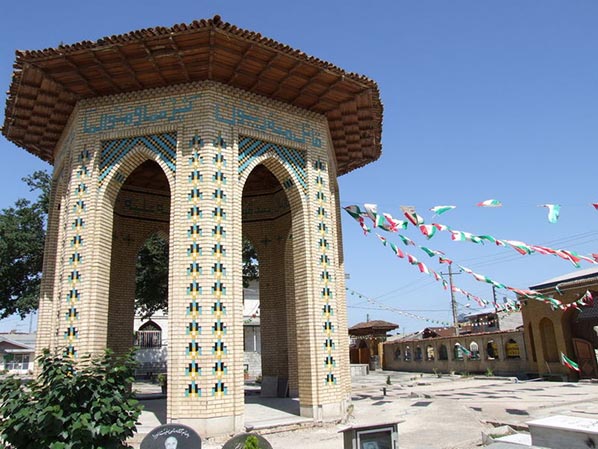
در نزدیکی گوهر رود رشت، و پارک مفاخر آن آرامگاه میرزا کوچک خان جنگلی قرار گرفته است، که شهرت جهانی دارد. آین آرامگاه در میان درختان سرسبز و صدای رود که از دور به میان می آید انسان را به فکر فرو میبرد که میرزا کوچک خان جنگلی که بود؟
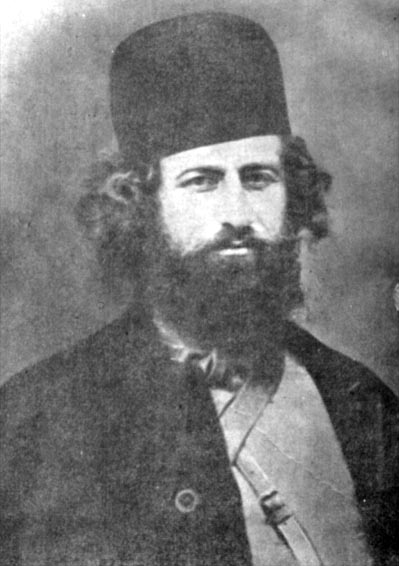
نهضت گیلان میرزا کوچک خان جنگلی
میرزا کوچک خان جنگلی فرزند ایران، متولد 1259 شمسی-1300 ش، در رشت، کسی بود که هم برای برقراری مشروطه و هم برای بیرون کردن دشمنان از ایران مبارزه میکرد. فعالیت های آنان تحت عنوان نهضت گیلان دنبال میشد.
در خرداد ۱۲۹۸، کلنل «استاروسلسکی» فرماندۀ نیروی قزاق که مثل سایر خارجی ها به جای ایرانیان در دوره پهلوی همه کاره شده بودند، با اختیارات تام، مأمور سرکوب نهضت گیلان شد. در عملیات تسخیر رشت توپخانه و هواپیماهای نظامی انگلیس هم شرکت داشتند. پیش از حملۀ «کلنل تکاچینکف» از تهران نامۀ تأمین برای میزراکوچک خان نوشتند، ولی میرزا نپذیرفت و پس از درگیریهای فراوان عدهای از سران نهضت از جمله دکتر حشمت که پزشک بود و به واسطۀ خدمات پزشکی محبوبیت زیادی در لاهیجان کسب کرده بود و در آن جا یک گروه چند صد نفری به نام «نظام ملی» گرد آورده بود، تسلیم نیروی دولتی در رشت شد.
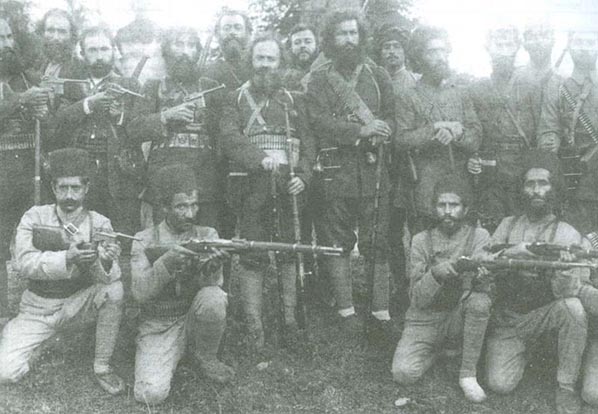
جنگلیها در دوران تزارها قیام خود را آغاز و به مخالفت با آنان پرداختند، امّا در آغاز پیروزی انقلاب اکتبر، روابط جنگلیها با روسها خوب شد. پس از چندی روسها سیاست خود را تغییر دادند و از حمایت نهضت جنگل دست کشیدند. در ۲۸ اردیبهشت ۱۲۹۹ش، ارتش سرخ تحت عنوان سرکوبی به اصطلاح ضدّ انقلابیون وارد بندر انزلی و بندر غازیان شد. برای نهضت جنگل حضور نیروهای بیگانه در خاک کشور قابل تحمل نبود و حضور آنان را به زیان استقلال ایران میدید، اسماعیل آقا جنگلی خواهرزادۀ میرزا را به عنوان نماینده به دیدار فرماندۀ ارتش سرخ فرستاد. وی قبل از هر سخنی سراغ میرزا کوچک خان جنگلی را گرفت و تمایل شدید خود را برای دیدار با او اعلام کرد. بنابراین میرزا در رأس هیأتی به انزلی رفت و در آن جا با فرمانده ارتش سرخ دیدار و مذاکره کرد و نسبت به چند موضوع توافق کلی حاصل شد.
پاسخ میرزا کوچک خان جنگلی به نامه فرمانده روسی:
«در قانون اسلام مدون است کفار وقتی که به ممالک اسلامی مسلط شوند مسلمین باید به مدافعه برخیزند ولی دولت انگلیس فریاد می کند: من اسلام و انصاف نمی دانم و باید دولت ضعیفه را اسیر آز و کشته مقصودِ مشئومِ خود سازم. بنده میگویم انقلابات امروزه ما را تحریک میکند مثل سایر ممالک دنیا در تمام ایالات ایران اعلان جمهوریت بر طبق مرام سوسیالیستها داده و رنجبران را از دست راحت طلبان برهانیم، ولیکن درباریان تن در نمیدهند که مملکت ما با قانون مشروطیت از روی پروگرام دموکراسی اداره گردد»
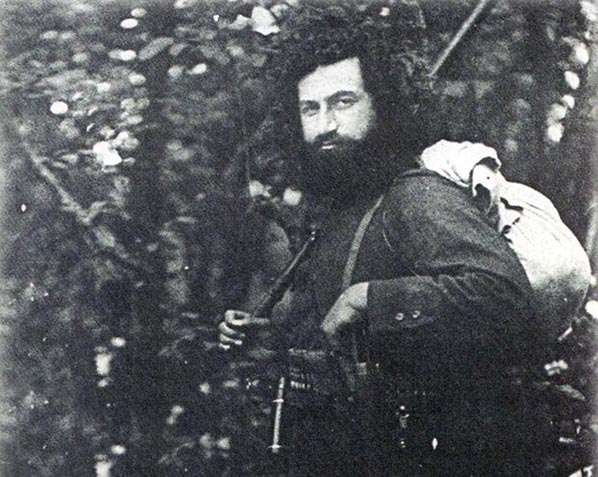
درگذشت میرزا کوچک خان
میرزا کوچک خان جنگلی برای همیشه در کوهستان های پربرف گیلان باقی ماند.
حادثه شهادت غمناک این مرد دلاور ابتدای راه پهلوی برای برقراری دیکتاتوری اش بود. پهلوی در آن سال به اسم یکپارچه سازی به سرکوب تمام دلاور مردان و مردم اصیل ایرانی رفته و آنان را شهید می کرد. و چون هیچ پشتوانه ای نداشت حمایت پهلوی را انگلیسی ها برعهده گرفته بودند. قبااز پهلوی هر شاهی که حکومت را در ایران برعهده میگرفت برآمده از دل یکی از گروه های مردمی بزرگ خود بود. مثلا نادرشاه را افشاری ها که گروه بزرگ از مردم بودند همراه با چند ایل دیگر حمایت میکرد. یا شاه طهماسب اول با حمایت هر دوازده آیا بزرگ زمان خودش حکومت تشکیل داد. حتی قاجارها که قبل از پهلوی بودند حمایت مردمی و تشکیلات داشتند.
در واقعه کشتار یاران جنگلی به دست نظامیان انگلیسی در دوره پهلوی به اسم یکپارچه سازی کشور در سال ۱۳۰۰ که رضاخان میخواست حکومت را دستش بگیرد، تو در سرمای کوهستان درگذشت. میرزاکوچک خان مبارزه میکرد تا نظامیان انگلیسی و روسی را که به ایران وارد شده بودند از ایران خارج کند. همزمان با حضور نظامیان انگلیسی قحطی و گرسنگی کشور را فرا گرفته بود و جنگل نقطه امیدی برای مردم بود.
یکی از خائن ها به نهضت جنگل، سر میرزا کوچک خان جنگلی را برای گرفتن پاداش از رضاخان به درگاه پهلوی میبرد.
چند سال پس از این واقعه درگذشت میرزا کوچک خان که گورستان حسنآباد شبانه زیر و رو میشد تا مؤسسات آتشنشانی در آنجا مستقر شود، سر کوچک خان به وسیله آزادیخواهان که در لباس کارگران شب درآمده بودند ربوده شد و به وسیله میرزاخان سیگاری به رشت انتقال یافت و در اختیار کربلایی کاس آقا (حسام) معروف به خیاط که از وفاداران به آزادی بود، قرار گرفت که در جلسهای شبانه مورد شناسایی و تأیید یاران جنگلی حاضر قرار گرفت. سپس در ایوان مرقد سلیمان داراب به امانت سپرده شد. به سال ۱۳۲۱ش جسد کوچک خان بنا به وصیتی که کرده بود با اجازه مجتهدان زمان از گیلوان به رشت انتقال یافت و بر زیر تپهای مقابل بقعه سلیمان داراب به خاک سپرده شد. بعداً بر آن بارگاهی ساخته شد.
_____________
Tomb of Mirza Kuchak Khan Jangli - Rasht
Near the Gohar-e-Rood of Rasht, and its park of honors, is the tomb of Mirza Kuchak Khan Jangli, which is world-famous. This tomb, surrounded by lush trees and the sound of the river that comes from afar, makes one wonder who Mirza Kuchak Khan Jangli was?
Picture of Mirza Kuchak Khan Jangli - Gilan
Gilan Movement of Mirza Kuchak Khan Jangli
Mirza Kuchak Khan Jangli, a son of Iran, born in 1880-1921, in Rasht, was someone who fought both for the establishment of a constitution and for the expulsion of enemies from Iran. Their activities were followed under the name of the Gilan Movement.
In Khordad 1919, Colonel "Staroselsky", the commander of the Cossack force, who, like other foreigners, had become versatile instead of Iranians during the Pahlavi era, was given full authority to suppress the Gilan Movement. British artillery and military aircraft also participated in the operation to capture Rasht. Before the attack of "Colonel Tkachinkov" from Tehran, they wrote a letter of guarantee to Mizrakuchek Khan, but Mirza refused and after many clashes, some of the leaders of the movement, including Dr. Heshmat, who was a doctor and had gained great popularity in Lahijan through his medical services and had gathered a group of several hundred people there called "National System", surrendered to the government forces in Rasht.
The Jungle Uprising during the Tsarist Russia
The Jungle Uprising began during the Tsarist era and opposed them, but at the beginning of the victory of the October Revolution, the Jungle Uprising's relations with the Russians improved. After a while, the Russians changed their policy and stopped supporting the Jungle Uprising. On 18 Ordibehesht 1920, the Red Army entered Bandar Anzali and Bandar Ghazian under the guise of suppressing the so-called counter-revolutionaries. The presence of foreign forces on the country's soil was intolerable for the Jangal Movement and they saw their presence as detrimental to Iran's independence. Ismail Agha Jangali sent Mirza's nephew as a representative to meet the commander of the Red Army. Before making any remarks, he approached Mirza Kuchak Khan Jangali and expressed his strong desire to meet him. Therefore, Mirza headed a delegation to Anzali, where he met and negotiated with the commander of the Red Army, and a general agreement was reached on several issues.
Mirza Kuchak Khan Jangali's response to the Russian commander's letter:
"It is written in Islamic law that when the infidels dominate Islamic countries, Muslims must rise to defend themselves, but the British government shouts: I do not know Islam and justice, and I must make the weak government a captive of greed and murder, which is my sinister goal. I say that today's revolutions inspire us to declare a republic in all Iranian provinces according to socialist principles, like other countries in the world, and to save the suffering people from the hands of the comfort seekers, but the courtiers do not accept that our country is governed by a constitutional law based on a democratic program."
Mirza Kuchak Khan Jangli's death in the mountains
Mirza Kuchak Khan's death
Mirza Kuchak Khan Jangli remained forever in the snowy mountains of Gilan.
The sad martyrdom of this brave man was the beginning of Pahlavi's path to establishing his dictatorship. In that year, in the name of unification, Pahlavi went to suppress all the brave men and people of Iran and martyred them. And since he had no support, the British had taken over Pahlavi's support. The Pahlavi Qabaz of every Shah who took over the government in Iran came from one of his large groups of people. For example, Nader Shah was supported by the Afsharis, who were a large group of people, along with several other tribes. Or Shah Tahmasp I formed a government with the support of all twelve great kings of his time. Even the Qajars who were before the Pahlavis had popular support and organizations.
In the event of the massacre of the forest friends by the British soldiers during the Pahlavi era in the name of unifying the country in 1921, when Reza Khan wanted to take over the government, he died in the cold of the mountains. Mirza Kuchak Khan was fighting to expel the British and Russian soldiers who had entered Iran. At the same time as the presence of the British soldiers, famine and hunger had gripped the country and the forest was a point of hope for the people.
One of the traitors to the Forest Movement took the head of Mirza Kuchak Khan Jangli to the Pahlavi court to receive a reward from Reza Khan.
A few years after this incident, Mirza Kuchak Khan passed away, and the Hasanabad cemetery was being searched at night to establish firefighting facilities there. Kuchak Khan's head was stolen by freedom fighters dressed as night workers and was transferred to Rasht by Mirza Khan Sigari and placed in the possession of the Karbalaite Kas Agha (Hossam), known as the tailor, who was a loyalist to freedom. He was identified and approved by the forest friends present in a night meeting. Then it was entrusted to the porch of the tomb of Suleiman Darab. In 1942, Kuchak Khan's body was transferred from Gilvan to Rasht, in accordance with his will, with the permission of the mujtahids of the time, and was buried under a hill in front of the tomb of Suleiman Darab. Later, a shrine was built over it.