کانجی چینی در میزورام
در چین اقوامی مانند ایغورهای سین کیانگ چین بوده اند که تا مدتها چینی ها آنها را بعنوان ساکنین سرزمین خود قبول نداشتند.
دولت چین در عصر سلسله خانهای غرب ( ۳۰۶ پیش از میلاد تا ۲۳ میلادی) تجارت دریایی را به رسمیت شناخت در همین زمان کانتون به بندر بزرگی تبدیل شد کشتیهای چینی منظمی از آنجا برای تجارت راهی سرزمینهایی میشدند که امروز ویتنام، مالزی، سوماترا، هند و غرب آسیا هستند. رفت و برگشت این کشتیها حدود ۴ سال به درازا میکشید.
صنعت کشتیسازی و تجارت دریایی چین در عصر سلسله تانگ ( ۶۱۸ تا ۹۷ میلادی ) به اوج خود رسید و دو خط بزرگ کشتیرانی یکی به جانب شرق و دیگری به جانب غرب پدید آمد.
- مسیر اول از دینگژو ر شبه جزیره شاندونگ شروع میشد و از طریق دریای زرد نخست به کره سپس به ژاپن میرفت.
- مسیر دوم از کانتون از طریق دریای چین جنوبی به جزایر مالزی و سپس به سوماترا، که به توقفگاه مهمی برای تجارت دریایی چین تبدیل شد میرفت. کشتیهای چینی ضمن ادامه راهشان در خلیج بنگال به هند سپس به خلیج فارس میرفتند و با اعراب به تجارت میپرداختند و در راه بازگشت در بندرهای مختلف مسافر و بار میزدند.
با بروز درگیریهای نظامی در مرزهای شمالی کشور چین امپراتوری تانگ به کنترل شدید ادرات و به ویژه اشیای آهنی و بافتههای ابریشمی پرداخت تا مبادا جنگجویان چادرنشین که شامل ایغورها نیز میشدند، از این آهن اسلحه بسازند و از ابریشم برای خرید اسب از استپ نشینان استفاده کنند.
ایغورها که با اقوام غرب آسیا مبادلات تجاری بیشتری داشتند تحت تاثیر فرهنگ ایرانی دوره اسلامی که رسم الخط عربی داشته است، قرار داشتند. دین آنها در گذر زمان بودایی و یا هندویسم نبوده و آنها مسلمان بوده اند. روحانیون بودایی-هندی، ایرانی و نیز روحانیون دیگری از سرزمینهای آسیای میانه برای رواج دین خود در چین راه پرخطر کویر را در پیش میگرفتند. روحانیون چینی نیز برای دسترسی به سوتره ها که نوشتههای سانسکریت بودند مسیر عکس را پیش میگرفتند.
در سده ششم میلادی بودهیدهارما روحانی هندی که آیین چن را در چین بنیاد گذاشت از همان راه به کانتون رفت. چون که مطلوب برخی واقع شده بود در سده دوازدهم به ژاپن رفت و در آنجا به نام معروف آیین ذن گسترش یافت.
دگرگونی های سیاسی عامل درگیری ها
صنعت ابریشم خیلی زود به غرب آسیا رفته بود و مبادلات آهن و سایر فلزات مهم مانند قلع در مسیر جاده ابریشم صورت میگرفت.
مناطق کوکو (تورفان امروز) در منطقه حاصلخیز واقع شده بودند که مراکز تجاری مهم شرق چین محسوب میشدند. تورفان در مرز سنتی میان مردمان چادرنشین شمال و واحه نشینان ساکن سینکیانگ قرار داشته و منزلگاهی بسیار مهم در شاخه شمالی جاده ابریشم بوده است. دین اسلام در این محدوده گسترش بسیار یافت.
_fzwm.jpg)
در تصویر مسجد امین در تورفان را میبینید که در سال 1777 میلادی ساخته شده است.
_hsai.jpg)
مسجد امین در حدود دو کیلومتری شرق تورفان قرار دارد، این مسجد در سال 1777 به افتخار ژنرال قهرمان تورفان «امین خواجه» در مسیر جاده ابریشم ساخته شده است.
طول گلدسته این مسجد که با چوب و آجر و در مسیر جاده ابریشم ساخته شده به ۴۴ متر میرسد.
_mubc.jpg)
با مرگ تیمور لنگ در سال ۱۴۰۵ میلادی، ناپایداری سیاسی مداوم، رکود اقتصادی، استعمار سلطه طلبان نوظهور غربی و تجاوز فرهنگی موجب شد که این منطقه از جهان دیگر نتواند نقش واسطه میان شرق و غرب را ایفا کند. سرانجام در پی تصمیمی سیاسی که در ۱۴۲۴ توسط امپراطور یونگل از خاندان مینگ اتخاذ شد مرزهای شمال غربی چین بسته شد. منطقه تبت جایی که کوههای هیمالیا در آن قرار داشت، بیشتر از پیش آسیب پذیر شد و در معرض خطر درگیری قرار گرفت.
با گذشت زمان و درگیری ها که گاه و بیگاه رخ مینمود، ایالت خودمختاری در کنار چین غربی شکل میگیرد که ایغورستان نام دارد. عده ای از این جامعه به جایی بین هند و چین پناه میبرند که میزورام نام دارد و متعلق به کشور هند است. زبان این قوم ریشه هایی از زبان چینی و ترکی و عربی گرفته است.
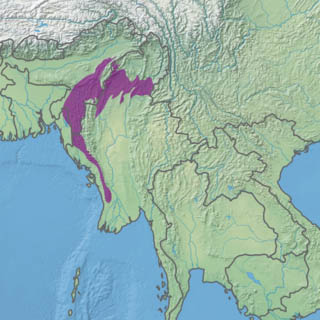
میزو (Lushai) یک گروه قومی تبتی-برمه ای، بومی ایالت میزورام هند و مناطق همجوار شمال شرقی هند هستند. آنها به مردم چین مربوط هستند.
میزو ( Mizu ) در زبان ژاپنی یعنی آب. در زبان لری بختیاری به معنی میزان و ترازو است: ترازو، در کاربرد تراز بنائى، مقدار، عدل، امتحان حساب در جمع و ضرب است. رام به معنای سرزمین است. میزو رام: سرزمین آب، جایی که تراز و عدل و حساب در آب باشد.
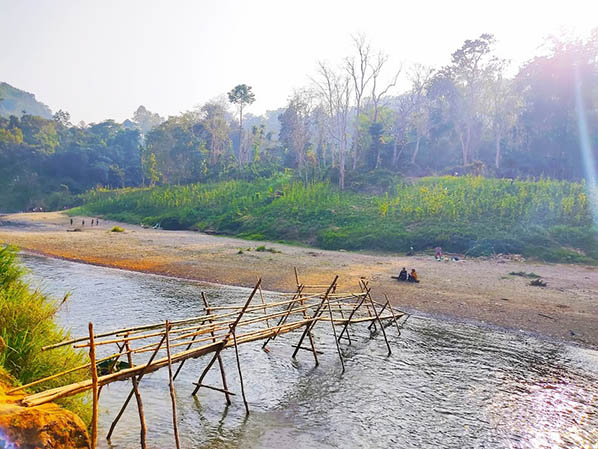
در فرهنگ مردم میزورام مانند مردم ژاپن، آب جایگاه ویژه ای داشته است. در این ایالت کوهستانی کوه ها و تپه ها اثر خنک کنندگی بیشتری بر سرزمین آن دارند. رودخانه بزرگی که از میان آن میگذرد تلاونگ ( tlawng river ) نام دارد.
قوم میزو آن بخش از دسته چینی های کوچانده شده از غرب سرزمین چین هستند که بخشی از آنها از طریق دریا به جزیره ژاپن پناه گرفته بودند و بخشی در تپه های تاریخی و بارانی هندوستان به زیست خود ادامه داده اند و بخشی در دو کره امروزی ساکن شدند. تا مدتها (قبل از استعمار هند توسط انگلیس) در رسم الخط مردم میزورام از کانجی چینی استفاده میشد.
برخی کانجی های معروف میزورام:
大象 dà xiàng فیل
鸡/雞 jī مرغ
کاراکترهای زبان چینی بر دو نوع مختلف سنتی و ساده سازی مشتمل هستند. کاراکترهای ساده سازی شده (با خطوط کمتر و ساده تر) در زبان سرزمین اصلی چین و سنگاپور مورد استفاده قرار می گیرند و کاراکترهای سنتی در استان تایوان، هنگ کنگ و ماکائو کاربرد دارند.
قوم میزو با اقوام ترک، هندی، ایرانی و چینی اشتراکاتی داشتند. در زبان آنها سانسکریت، فارسی، عربی و چینی ترکیبی استفاده میشده است. رسم الخط کانجی انها تحت استعمار انگلیس از آنها گرفته شده و زبان مردم میزورام اکنون تغییر یافته و انگلیسی جای آن را گرفته است. همانطور که زبان مردم هند نیز انگلیسی شده و رسم الخط آنها از الفبای فارسی تغییر کرده است و در عوض بیشتر از الفبای سانسکریت، اردو و انگلیسی استفاده می کنند.
پایتخت میزورام آیزاول و سالم ونگ یکی از محله های مهم آن است. معبد سُلُمون معبدی برای مردم محلی بوده که با استعمار انگلیس به کلیسا تغییر شکل یافته است.
تغییرات در کرانه های غربی چین همچنان ادامه دارد و میزورام یکی از بخش های تغییر یافته آن است. به طور مثال ایالت ایغورستان چین نیز در حال تغییر است. چین به بازسازی مساجد این ایالت پرداخته، و چیزی که در این باره قابل توجه هست تغییر معماری این مساجد است، بهطوری که مساجد سنتی این ایالت که معماری ایلخانی و تیموری داشتند و بسیار به تمدن ایران نزدیک بودند را تخریب و مساجدی بدون گنبد و مناره جایگزین آنها شده است. البته مسجد بزرگی که درون مدرسه اسلامی ارومچی به تازگی تأسیس شده برخلاف سایر مساجد بازسازی شده شهرهای ارومچی، آکسو، کاشغر و ختن دارای گنبد و مناره است. این نشان میدهد که مردم همچنان به حفظ اصالت های دینی خود علاقه مند هستند.
______________________
پانویسها
1- سانسكريت: سانسکریت به عنوان زبان اصلي هندوئيسم، جينيسم و بوديسم در نظر گرفته مي شود . اين گويشي از هندو آريايي قديمي است كه از پروتو-هندو-ايراني و پرو-هندو-اروپايي اقتباس شده است .اين همچنين در ميان 22 زبان برنامه ريزي شده از هند فهرست شده است . حتي بيشتر، سنت غني و گسترده اي از درام و شعر و همچنين متون فلسفي و فني را پوشش مي دهد
2- ويتنامي: ويتنامي زبان ملي و رسمي ويتنام و همچنين زبان اول يا دوم براي بسياري از اقليت هاي قومي آنها است . واژگان ويتنامي از چيني اقتباس شده است . با اين حال، الفباي ويتنامي امروزه از الفباي لاتين با تشريح اضافي براي صداها و حروف خاص است.
_______________________________________________
Chinese Kanji in Mizoram
In China, there were ethnic groups such as the Uyghurs of Xinjiang, who were not recognized by the Chinese as residents of their land for a long time.
The Chinese government recognized maritime trade during the Western Khan Dynasty (306 BC - 23 AD). At this time, Canton became a major port. Chinese ships regularly sailed from there to trade with lands that are now Vietnam, Malaysia, Sumatra, India and West Asia. The round trip of these ships took about 4 years.
The Chinese shipbuilding and maritime trade industry reached its peak during the Tang Dynasty (618 - 97 AD), and two major shipping lines emerged, one to the east and the other to the west.
- The first route started from Dingzhou on the Shandong Peninsula and went through the Yellow Sea first to Korea and then to Japan.
- The second route from Canton went through the South China Sea to the Malay Islands and then to Sumatra, which became an important stop for Chinese maritime trade. Chinese ships continued their journey through the Bay of Bengal to India and then to the Persian Gulf, trading with Arabs, and on the way back they would pick up passengers and cargo at various ports.
With the outbreak of military conflicts on the northern borders of China, the Tang Empire began to strictly control the administration, especially iron objects and silk fabrics, so that nomadic warriors, including the Uyghurs, would not use this iron to make weapons and use the silk to buy horses from the steppe dwellers.
The Uyghurs, who had more trade with the peoples of West Asia, were influenced by the Iranian culture of the Islamic period, which had the Arabic script. Their religion over time was not Buddhism or Hinduism, but they were Muslims. Buddhist monks from India, Iran, and other Central Asian lands took the dangerous desert route to spread their religion in China. Chinese monks also took the opposite route to access the sutras, which were Sanskrit writings.
In the 6th century AD, Bodhidharma, the Indian monk who founded the Chen religion in China, went to Canton by the same route. Because it was popular with some, he went to Japan in the 12th century, where it spread under the famous name of Zen.
Political changes that caused conflicts
The silk industry had soon spread to West Asia, and iron and other important metals such as tin were traded along the Silk Road.
The Koko regions (today's Turfan) were located in a fertile region that was considered an important trading center in eastern China. Turfan was located on the traditional border between the nomadic peoples of the north and the oasis dwellers of Xinjiang, and was a very important stop on the northern branch of the Silk Road. Islam spread widely in this area.
Amin Mosque - Uyghuristan
In the picture you can see the Amin Mosque in Turfan, which was built in 1777.
Architecture of Amin Mosque - Turfan
The Amin Mosque is located about two kilometers east of Turfan. This mosque was built in 1777 in honor of the heroic general of Turfan "Amin Khajeh" on the Silk Road route.
The length of the spire of this mosque, which was built with wood and brick and on the Silk Road route, reaches 44 meters.
Amin Mosque - Turfan Uyghuristan
With the death of Timur Lang in 1405, continuous political instability, economic stagnation, colonization by emerging Western hegemons, and cultural aggression caused this region of the world to no longer be able to play the role of intermediary between East and West. Finally, following a political decision made in 1424 by the Yongle Emperor of the Ming Dynasty, the borders of northwest China were closed. The Tibetan region, where the Himalayas were located, became more vulnerable and at risk of conflict.
Over time and with occasional conflicts, an autonomous state was formed next to western China called Uyghuristan. Some of this community took refuge in a place between India and China called Mizoram, which belongs to the country of India. The language of this people has roots in Chinese, Turkic and Arabic.
Mizoram State - India
The Mizo (Lushai) are a Tibeto-Burman ethnic group, native to the Indian state of Mizoram and neighboring areas in northeastern India. They are related to the Chinese people.
Mizu (Mizu) in Japanese means water. In the Lori Bakhtiari language it means balance and scales: scales, in the use of a building scale, quantity, justice, a test of calculation in addition and multiplication. Ram means land. Mizo Ram: the land of water, where balance, justice and calculation are in water.
Tlawng River - Mizoram
In the culture of the people of Mizoram, like the people of Japan, water has a special place. In this mountainous state, mountains and hills have a greater cooling effect on its land. A large river that flows through it is called Tlawng River.
The Mizo people are a group of Chinese people who migrated from western China, some of whom took refuge in the island of Japan by sea, some of whom continued to live in the historical and rainy hills of India, and some of whom settled in the two modern-day Koreas. For a long time (before the colonization of India by the British), Chinese kanji were used in the script of the people of Mizoram.
Some famous Mizoram kanji:
大象 dà xiàng elephant
鸡/雞 jī chicken
Chinese characters consist of two different types: traditional and simplified. Simplified characters (with fewer and simpler lines) are used in the language of mainland China and Singapore, and traditional characters are used in Taiwan, Hong Kong and Macau. The Mizo people have commonalities with Turkic, Indian, Iranian and Chinese peoples. Their language is a mixture of Sanskrit, Persian, Arabic and Chinese. Their kanji script was taken from them during British colonialism, and the language of the Mizoram people has now changed and English has replaced it. As the language of the people of India have also become English and their script has changed from the Persian alphabet and instead they mostly use the Sanskrit, Urdu and English alphabets.
The capital of Mizoram is Aizawl and Salemwang is one of its important neighborhoods. Solomon's Temple was a temple for the local people that was transformed into a church during British colonialism.
Changes continue on the western coast of China and Mizoram is one of its changed parts. For example, the Chinese state of Uyghuristan is also changing. China has started to rebuild the mosques of this state, and what is notable about this is the change in the architecture of these mosques, so that the traditional mosques of this state, which had Ilkhanid and Timurid architecture and were very close to Iranian civilization, have been destroyed and replaced with mosques without domes and minarets. Of course, the large mosque that was recently established inside the Urumqi Islamic School has a dome and minarets, unlike other rebuilt mosques in the cities of Urumqi, Aksu, Kashgar and Khotan. This shows that the people are still interested in preserving their religious traditions.
______________________
Footnotes
1- Sanskrit: Sanskrit is considered the original language of Hinduism, Jainism, and Buddhism. It is a dialect of ancient Indo-Aryan, derived from Proto-Indo-Iranian and Proto-Indo-European. It is also listed among the 22 scheduled languages of India. Even more, it covers a rich and extensive tradition of drama and poetry, as well as philosophical and technical texts.
2- Vietnamese: Vietnamese is the national and official language of Vietnam, as well as the first or second language of many of its ethnic minorities. Vietnamese vocabulary is borrowed from Chinese. However, the Vietnamese alphabet today is based on the Latin alphabet with additional accents for specific sounds and letters.